





Introduction
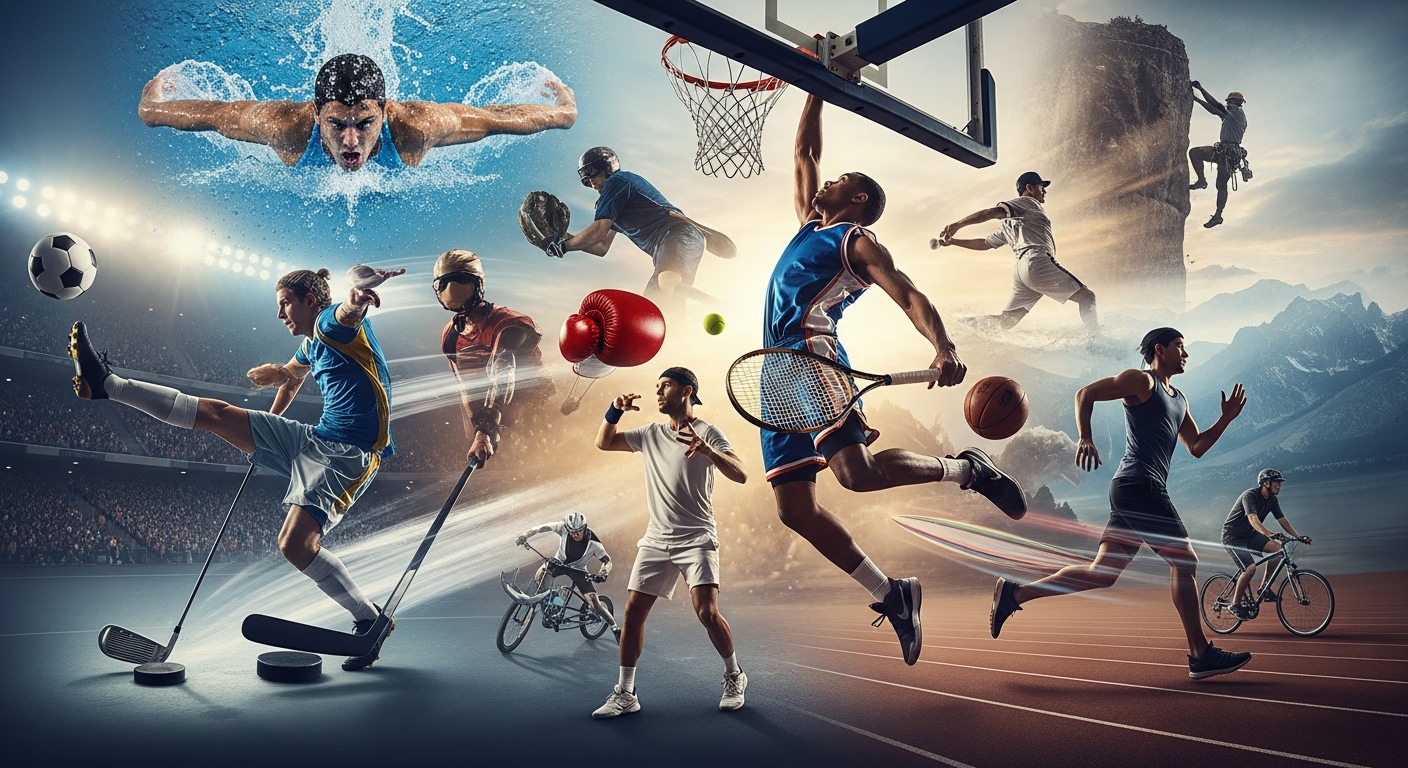
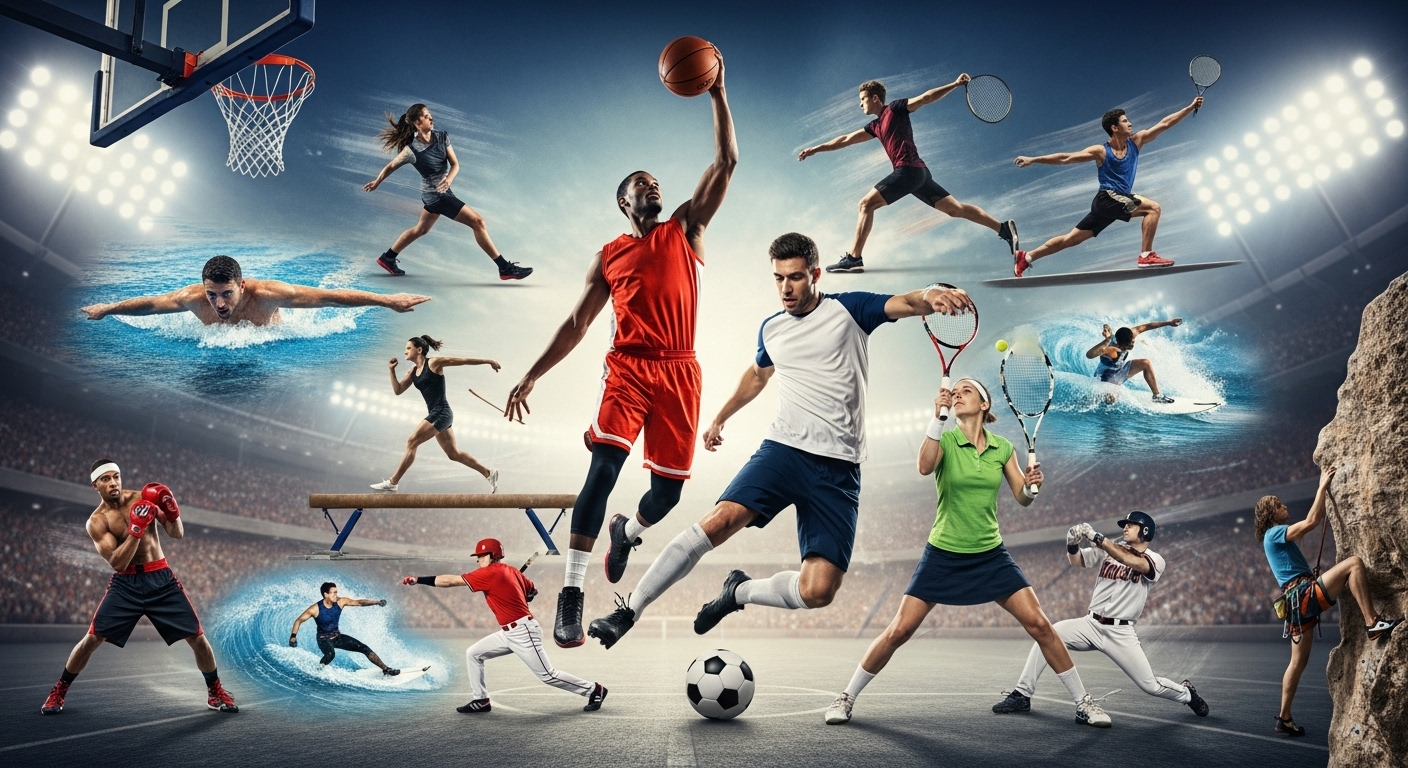
Sports are one of the most powerful forces in the world today. They are more than just games or competitions; they are a reflection of human ambition, perseverance, and unity. Across the globe, sports inspire people to dream big, work hard, and push their limits. From the smallest neighborhood playground to the grandest stadiums, sports bring people together, fostering teamwork, discipline, and respect.
In every corner of the world, sports have a way of transcending boundaries of culture, language, and nationality. They create moments of joy, heartbreak, and triumph that millions share collectively. Whether it is football, cricket, basketball, athletics, or any other sport, each carries its own story, emotion, and legacy. This blog explores the importance of sports in our world, how they shape individuals and societies, and the values they teach that last a lifetime.
The Historical Journey of Sports
The roots of sports run deep in human civilization. Ancient societies engaged in various physical games not just for entertainment but as a part of their culture, tradition, and survival. The ancient Greeks introduced the Olympic Games, which celebrated physical excellence and honored the gods. Similarly, in Egypt, wrestling, archery, and swimming were common forms of recreation.
In Asia, traditional sports such as martial arts in China, kabaddi in India, and sumo wrestling in Japan showcased both strength and discipline. Across Africa and the Americas, indigenous tribes played competitive games that fostered unity and courage within communities.
Over time, sports evolved into organized competitions with structured rules and global appeal. The modern era of sports began with the revival of the Olympic Games in 1896, giving athletes from different nations the opportunity to showcase their talents on one platform. Today, sports have become a global industry that influences economies, education, media, and culture.
The Role of Sports in Society
Sports play a vital role in shaping societies. They are not only a form of entertainment but also a source of inspiration and pride. Sporting events unite communities and nations, providing a sense of identity and belonging. For many, sports are a way of life—a passion that brings meaning and purpose.
At the community level, sports foster friendship and cooperation. Local tournaments and school games teach teamwork and fair play. On the national level, sports create heroes who inspire millions. Athletes become symbols of hope and determination, showing that with hard work and perseverance, anything is possible.
Globally, sports serve as a bridge between nations. Events like the Olympics or the FIFA World Cup bring together people from diverse backgrounds, promoting peace, respect, and understanding. Through sports, countries put aside their differences to celebrate humanity’s collective achievements.
Physical and Mental Benefits of Sports
Sports offer countless benefits that go beyond the playing field. Physically, they improve strength, endurance, and flexibility. Regular participation in sports keeps the body active and reduces the risk of diseases like obesity, diabetes, and heart problems. Playing sports also helps in maintaining good posture, coordination, and balance.
Mentally, sports have a powerful impact on emotional well-being. Physical activity releases endorphins, often referred to as “happy hormones,” which reduce stress and boost mood. Athletes develop resilience, focus, and confidence through continuous practice and competition.
For students, sports are especially important. They teach time management, patience, and teamwork—qualities that help in academics and life beyond school. Sports also provide a healthy outlet for energy and emotions, helping young people stay disciplined and motivated.
Moreover, sports cultivate mental strength. Facing defeat on the field teaches one how to handle failure with grace, while victory reminds players to remain humble. These lessons are invaluable in all areas of life, from career challenges to personal relationships.
The Spirit of Sportsmanship
One of the most beautiful aspects of sports is sportsmanship—the idea that respect, fairness, and integrity matter more than winning. True athletes understand that victory achieved dishonorably is meaningless. Sportsmanship encourages respect for opponents, officials, and teammates alike.
Many of the world’s most memorable moments in sports are not about records or medals but about acts of fairness and kindness. When an athlete stops to help a rival, or when teams applaud their opponents’ efforts, it reminds us of the true essence of competition.
Good sportsmanship teaches humility in success and courage in defeat. It creates individuals who respect rules, value teamwork, and strive to improve continuously. These values extend far beyond sports, shaping strong moral character and responsible citizenship.
The Economic Impact of Sports
Sports are not just a source of entertainment—they are a major contributor to the global economy. Sporting events generate billions of dollars annually through ticket sales, sponsorships, broadcasting rights, and merchandise. Host cities of major tournaments like the Olympics or the World Cup experience economic booms due to tourism, infrastructure development, and job creation.
Athletes themselves have become global brands, influencing fashion, technology, and lifestyle. Sports-related industries—such as fitness, nutrition, and equipment manufacturing—employ millions worldwide.
However, the commercialization of sports also brings challenges. The focus on profit can sometimes overshadow ethics and fair play. It is important that the business side of sports never compromises its fundamental values of integrity and respect.
The Rise of Women in Sports
The rise of women in sports is one of the most empowering movements of the modern era. Historically, female athletes faced discrimination, lack of funding, and limited opportunities. But over time, women have broken barriers, proving that skill and determination are not defined by gender.
Athletes like Serena Williams, Simone Biles, and Megan Rapinoe have redefined what it means to be a champion. They have inspired millions of young girls to follow their dreams and challenge stereotypes.
Today, women’s sports are gaining recognition and popularity across the world. From football and cricket to athletics and tennis, female athletes continue to achieve remarkable milestones. Their success is not only about competition—it is about empowerment, equality, and changing societal norms.
The Influence of Technology in Sports
Technology has revolutionized every aspect of sports. From training to broadcasting, technological advancements have enhanced performance, fairness, and audience experience.
Athletes now use wearable devices to monitor heart rate, speed, and endurance. Data analytics help coaches design strategies and improve efficiency. Video replays and goal-line technology ensure fair play and accurate decisions.
For fans, technology has transformed how sports are experienced. High-definition broadcasting, virtual reality, and online streaming bring the excitement of live events to millions of viewers around the world. Social media allows fans to interact directly with their favorite players, creating a closer bond between athletes and supporters.
Even in training, artificial intelligence and virtual simulations are becoming essential tools for analyzing player performance. Technology has made sports not only more competitive but also more engaging and accessible to all.
Youth and Sports: Shaping Future Generations
The involvement of youth in sports is crucial for building strong and healthy societies. Sports provide young people with structure, discipline, and motivation. They teach the importance of teamwork, honesty, and leadership.
School and community sports programs help children discover their talents and passions. They also prevent issues like laziness, screen addiction, and antisocial behavior by encouraging active lifestyles.
Beyond the physical and mental benefits, sports also instill moral values in youth. Learning to accept defeat, respect opponents, and value effort over results prepares young people to face life’s challenges with confidence and dignity.
Investing in youth sports programs is an investment in the future. It builds not only athletes but also responsible citizens who contribute positively to society.
Sports and National Pride
Sports often serve as a powerful expression of national pride. When athletes represent their countries in international competitions, they carry the hopes and dreams of millions. Victories on the global stage strengthen unity and inspire future generations.
National achievements in sports also have social and political significance. They boost morale, foster patriotism, and create moments of shared joy. The image of an athlete waving their country’s flag in celebration becomes a symbol of unity and perseverance.
Sports can even mend broken relationships between nations. Friendly matches and international collaborations encourage dialogue, cooperation, and peace. They remind the world that even in competition, respect and friendship prevail.
The Future of Sports
The future of sports looks promising and exciting. With advancements in technology, inclusivity, and sustainability, sports are becoming more accessible and diverse than ever before.
E-sports, for instance, have created new opportunities for gamers to compete at professional levels, attracting millions of viewers worldwide. Adaptive sports for people with disabilities continue to grow, promoting inclusivity and equality.
Sustainability is also becoming a major focus in sports. Eco-friendly stadiums, reduced waste, and renewable energy initiatives are shaping a greener future for global events.
Moreover, mental health awareness in sports is gaining attention. More athletes are speaking about the importance of psychological well-being, paving the way for a healthier and more supportive sporting culture.
The spirit of sports—rooted in passion, respect, and unity—will continue to thrive, no matter how the world changes.
Conclusion
Sports are a timeless celebration of human potential. They inspire us to dream, to challenge limits, and to connect with others. From ancient games to modern tournaments, sports have shaped cultures, built nations, and united the world.
They teach lessons that go far beyond the field—lessons about courage, teamwork, humility, and perseverance. Sports remind us that success is not just about winning medals but about growing stronger, both physically and emotionally.
In every athlete’s effort, in every fan’s cheer, and in every shared victory or defeat, we see the essence of humanity—our desire to strive, to belong, and to excel. Sports will forever remain a powerful force that unites the world and celebrates the best of what it means to be human.