




Introduction: Sport as a Driving Force in Human Life
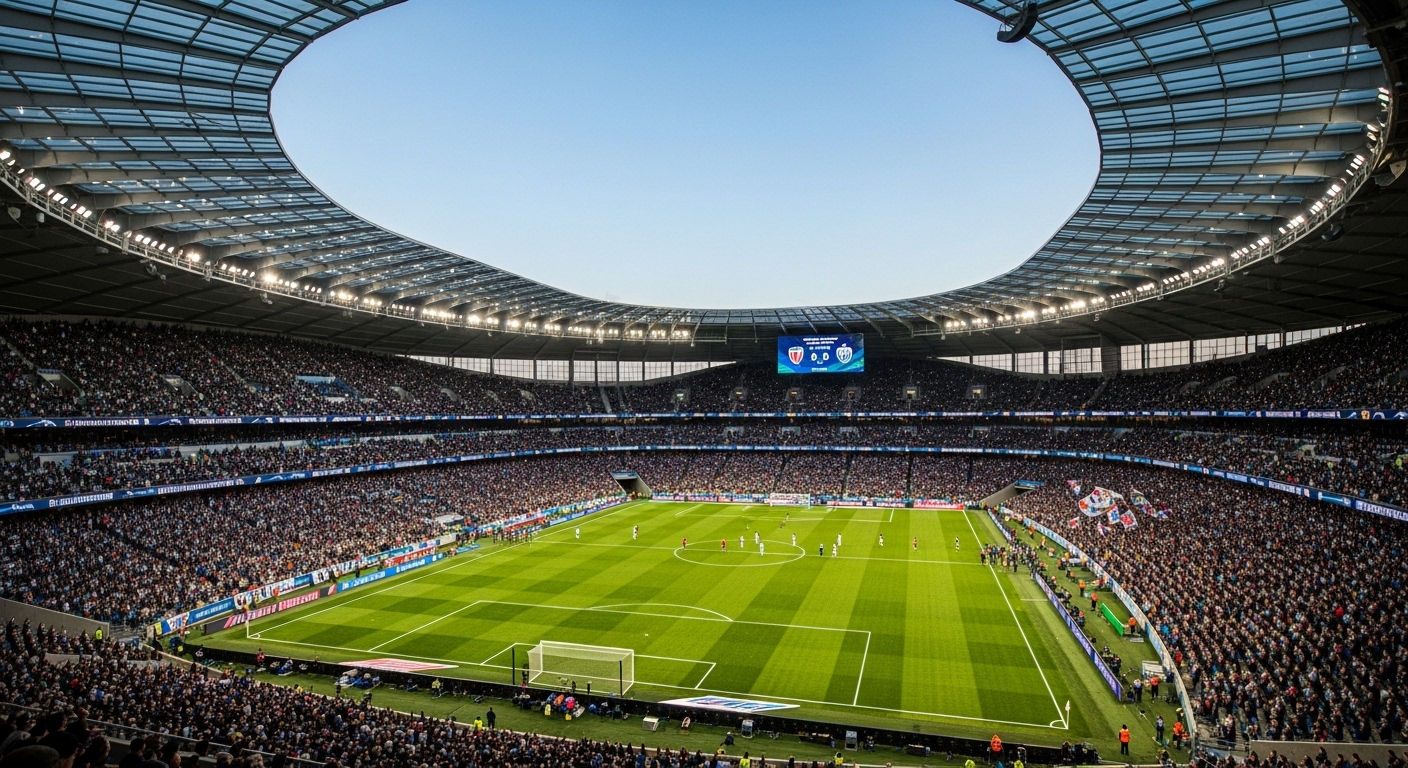
Sport has been an integral part of human civilization for thousands of years. Beyond physical activity, it serves as a means of entertainment, social connection, and personal development. From small local competitions to large international tournaments, sport has the power to unite people across cultures, inspire communities, and influence societies.
This article explores the history of sport, its different forms, physical and mental benefits, social and cultural significance, economic impact, challenges, technological advancements, and the future of athletics.
The History of Sport
Sport has existed since the earliest civilizations. Ancient societies practiced physical competitions for entertainment, training, and ritual purposes. Evidence of athletic contests can be found in ancient Egypt, Mesopotamia, and China, where running, wrestling, archery, and ball games were popular.
Ancient Greece elevated sport to a celebrated cultural institution with the Olympic Games, which highlighted skill, honor, and excellence. In the Middle Ages, tournaments, jousting, and martial contests continued the tradition of organized competition. The Industrial Revolution and urbanization brought about structured team sports such as football, cricket, and rugby, which remain popular today. Modern sport has evolved into a global industry with professional leagues, international competitions, and a widespread fan base.
Varieties of Sport
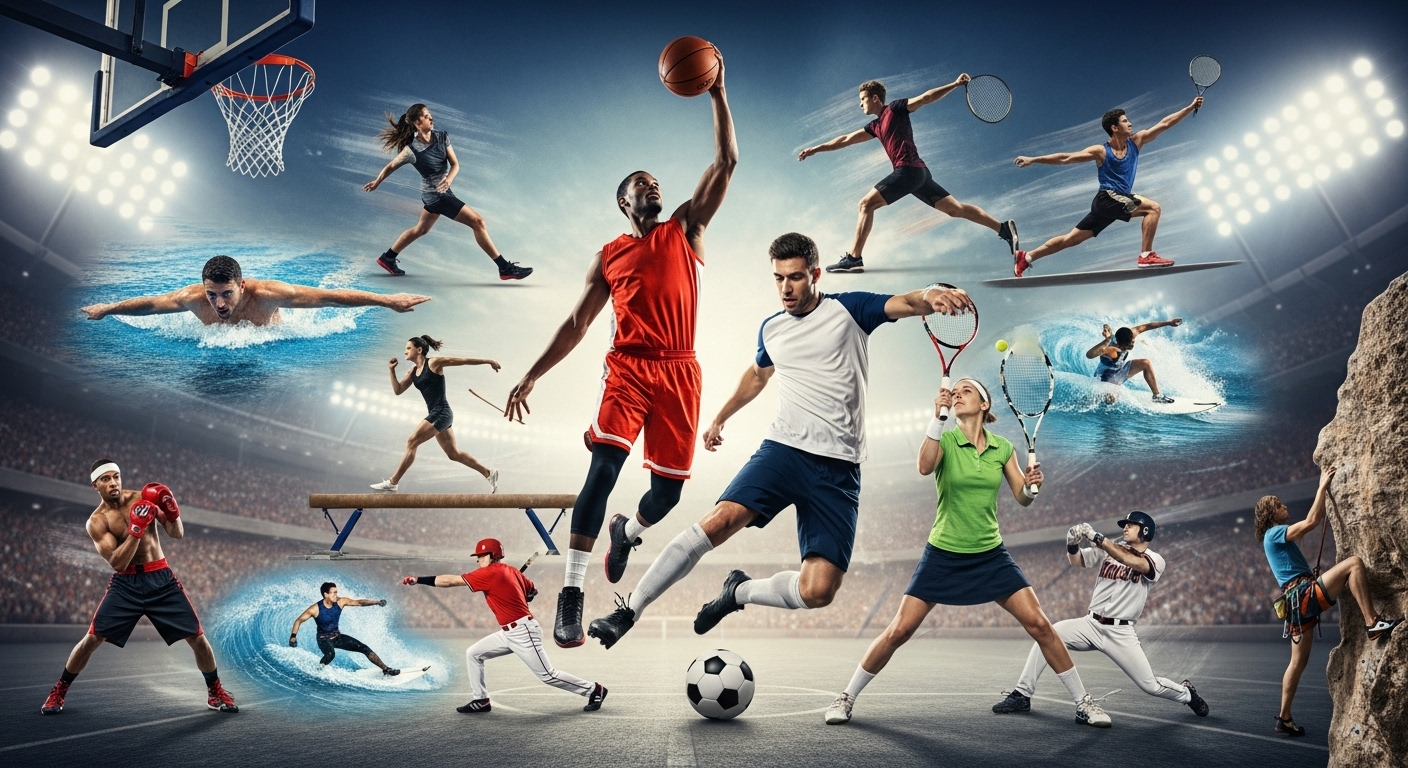
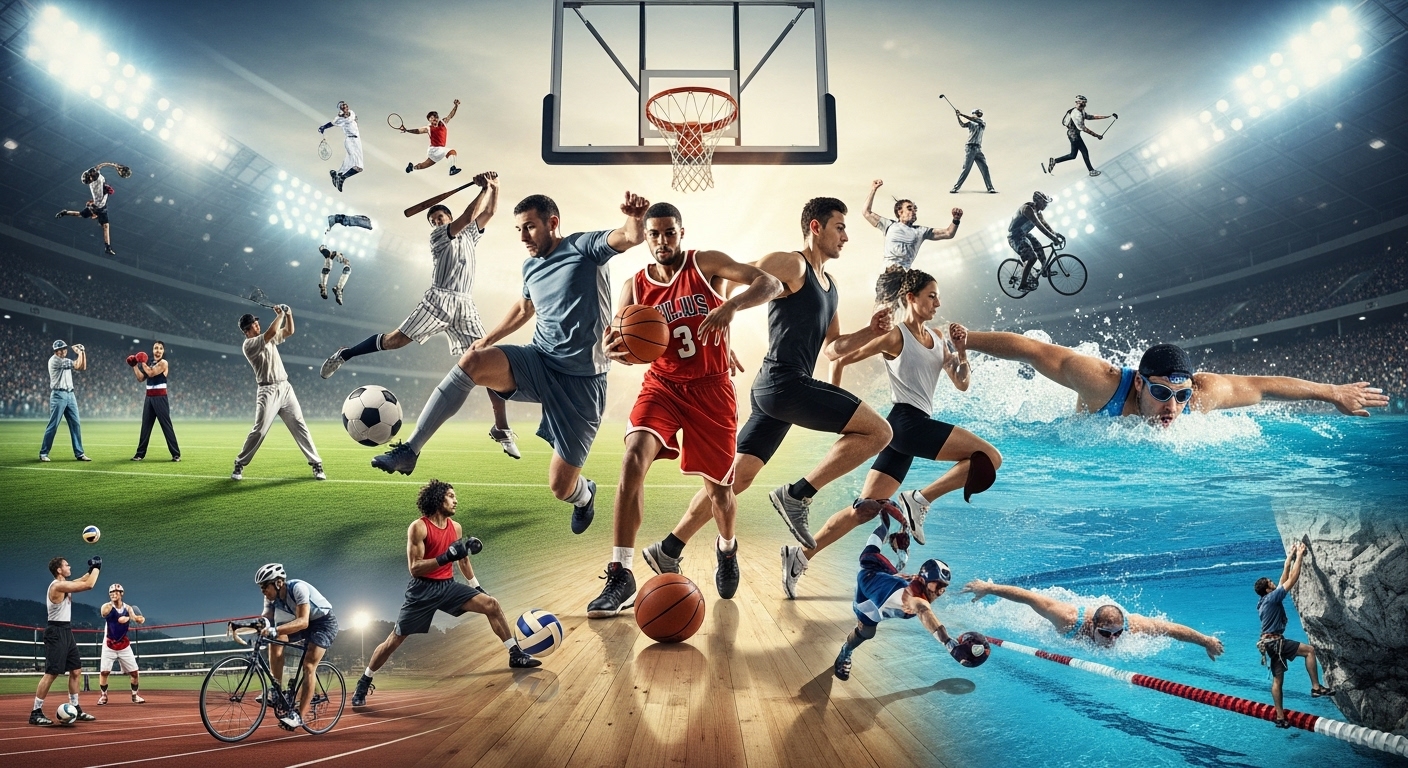
Sport includes a vast range of disciplines, each emphasizing different skills, strategies, and cultural influences.
Team Sports
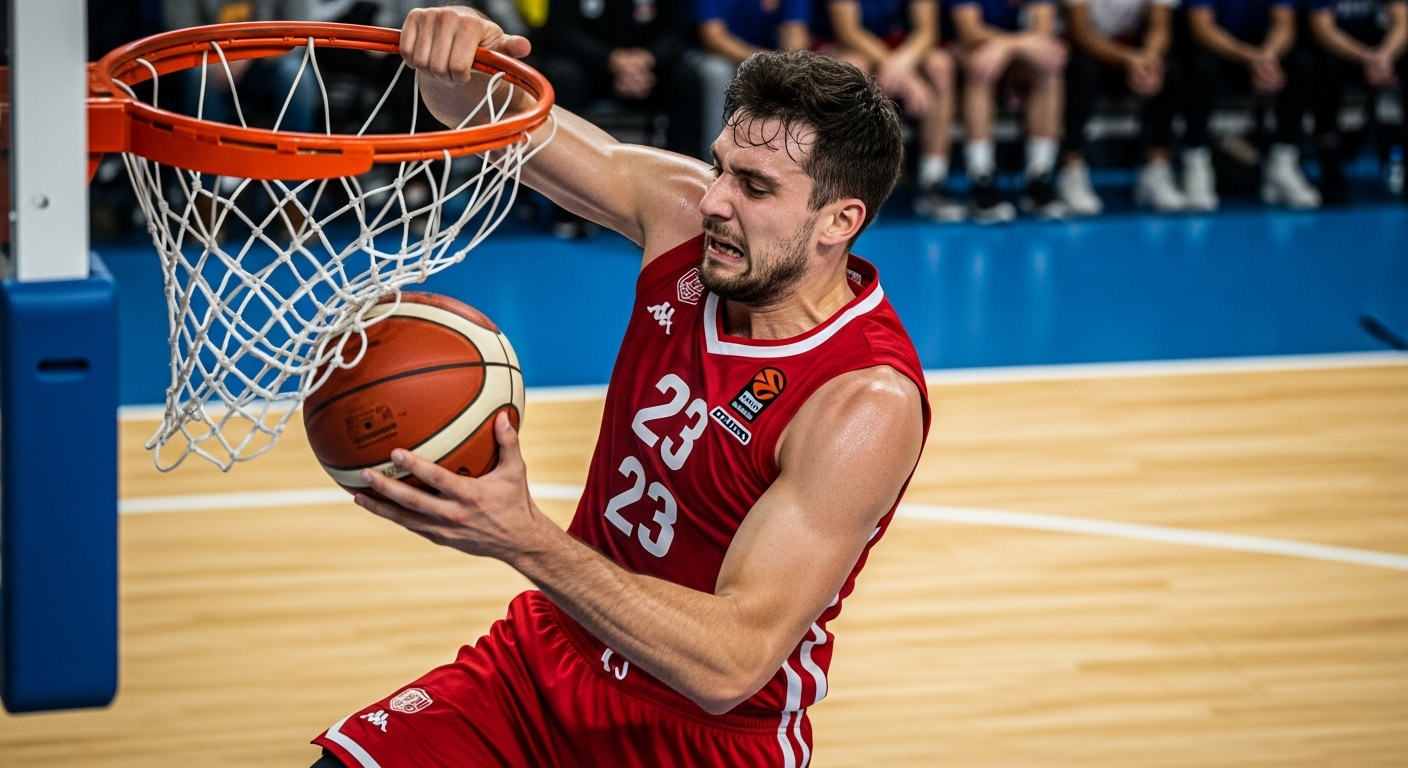
Team sports such as football, basketball, volleyball, and hockey focus on cooperation, communication, and strategy. Success depends on coordination among teammates and effective utilization of individual strengths. Team sports teach leadership, collaboration, and resilience while creating a sense of belonging and community engagement.
Individual Sports
Individual sports like tennis, athletics, swimming, and gymnastics prioritize personal skill, self-discipline, and concentration. Athletes compete against themselves or others, learning perseverance, goal setting, and self-motivation. These sports emphasize personal responsibility and mastery of techniques.
Combat and Martial Arts
Martial arts, boxing, wrestling, and judo combine physical skill with mental focus and strategic thinking. Combat sports promote discipline, respect, and self-control while fostering cultural appreciation for traditional techniques and philosophies.
Adventure and Extreme Sports
Adventure and extreme sports, including rock climbing, surfing, snowboarding, and BMX biking, test physical limits and risk management. These sports combine creativity, endurance, and courage, appealing to athletes seeking thrill and personal challenge. Extreme sports also inspire new trends and competitions that push the boundaries of traditional sport.
Paralympic and Adaptive Sports
Adaptive sports, such as wheelchair basketball, para-swimming, and sitting volleyball, provide athletes with disabilities opportunities to compete at professional levels. These sports highlight resilience, innovation, and determination, promoting inclusion and challenging perceptions of ability.
Physical Benefits of Sport
Engaging in sport offers numerous health advantages. Regular physical activity strengthens muscles, bones, and the cardiovascular system, improves flexibility, and supports weight management. It reduces the risk of chronic conditions such as heart disease, diabetes, and obesity.
Sports also enhance endurance, coordination, and motor skills. Children who participate in athletics develop healthy habits that carry into adulthood, promoting long-term well-being and a physically active lifestyle.
Mental and Psychological Benefits
Sport has profound effects on mental health. Physical activity releases endorphins that reduce stress and improve mood. Participation in sport helps combat anxiety, depression, and mental fatigue.
Athletes learn discipline, focus, and resilience. Facing challenges, setbacks, and competition teaches problem-solving, adaptability, and perseverance. Team sports develop social skills and emotional intelligence, while individual sports cultivate self-confidence and mental toughness.
Social and Cultural Significance
Sport fosters social connection and cultural exchange. Local clubs, community leagues, and international competitions bring people together, encouraging collaboration, friendship, and shared experiences. Sporting events are often celebrations of national pride, cultural heritage, and social unity.
Global events like the Olympic Games, FIFA World Cup, and Wimbledon unite millions of fans worldwide, creating a sense of belonging and collective enthusiasm. Sport promotes inclusivity, gender equality, and cultural understanding, making it a key driver of social cohesion.
Economic Impact of Sport
The sports industry is a significant contributor to the global economy. Professional leagues, tournaments, merchandise, broadcasting rights, and sponsorship deals generate billions annually. Athletes earn salaries, prize money, and endorsements, while organizations operate like large businesses.
Major sporting events boost local economies through tourism, infrastructure development, and job creation. Sports media, equipment manufacturing, and fitness industries further stimulate economic growth, demonstrating the widespread influence of athletics beyond the playing field.
Challenges in Sport
Despite its benefits, sport faces several challenges. Athlete health and safety are paramount, with injuries, overtraining, and mental stress as key concerns. Doping, corruption, and unethical practices threaten the integrity of competition.
Accessibility remains an issue in many regions, where economic or infrastructural barriers limit participation. Promoting fair play, inclusivity, and gender equality requires sustained governance, investment, and education to ensure sport remains a positive force globally.
Technology and Innovation in Sport
Technology has transformed training, competition, and spectator experiences. Wearable devices, GPS trackers, and analytics software provide real-time performance data for athletes and coaches, improving strategy and results. Video replay systems, goal-line technology, and instant reviews ensure fairness in competitions.
Virtual and augmented reality enhance fan experiences, providing immersive viewing and interactive participation. Social media and streaming platforms allow global audiences to follow athletes, engage in discussions, and participate in online sporting communities, extending the reach and cultural influence of sport.
Sport in Education
Sports in education cultivate both physical and personal growth. School and college programs teach teamwork, leadership, and time management while encouraging discipline and goal-setting. Students develop resilience, problem-solving skills, and confidence through participation in competitive and recreational sports.
Scholarships for talented athletes provide academic opportunities alongside professional training, creating pathways to careers in athletics, coaching, sports management, and fitness industries.
The Future of Sport
The future of sport is shaped by technological advances, globalization, and changing cultural norms. Wearables, artificial intelligence, and advanced analytics will continue to enhance training and performance. Adaptive and Paralympic sports will gain more recognition, promoting equity and inclusivity.
Digital media, live streaming, and virtual reality will redefine the way fans engage with competitions. Emerging hybrid forms of sport, such as esports, will complement traditional athletics and attract younger audiences, expanding the definition and reach of sport globally.
Conclusion: The Enduring Importance of Sport
Sport is a transformative force that impacts physical health, mental well-being, social cohesion, and economic development. It teaches discipline, teamwork, perseverance, and leadership, while providing entertainment and cultural enrichment.
From grassroots activities to international tournaments, sport inspires individuals, unites communities, and fosters global connections. It is a vehicle for personal growth, societal progress, and cultural expression. As the world evolves, sport will continue to play a central role in shaping lives, communities, and human experiences, celebrating both competition and the spirit of unity.