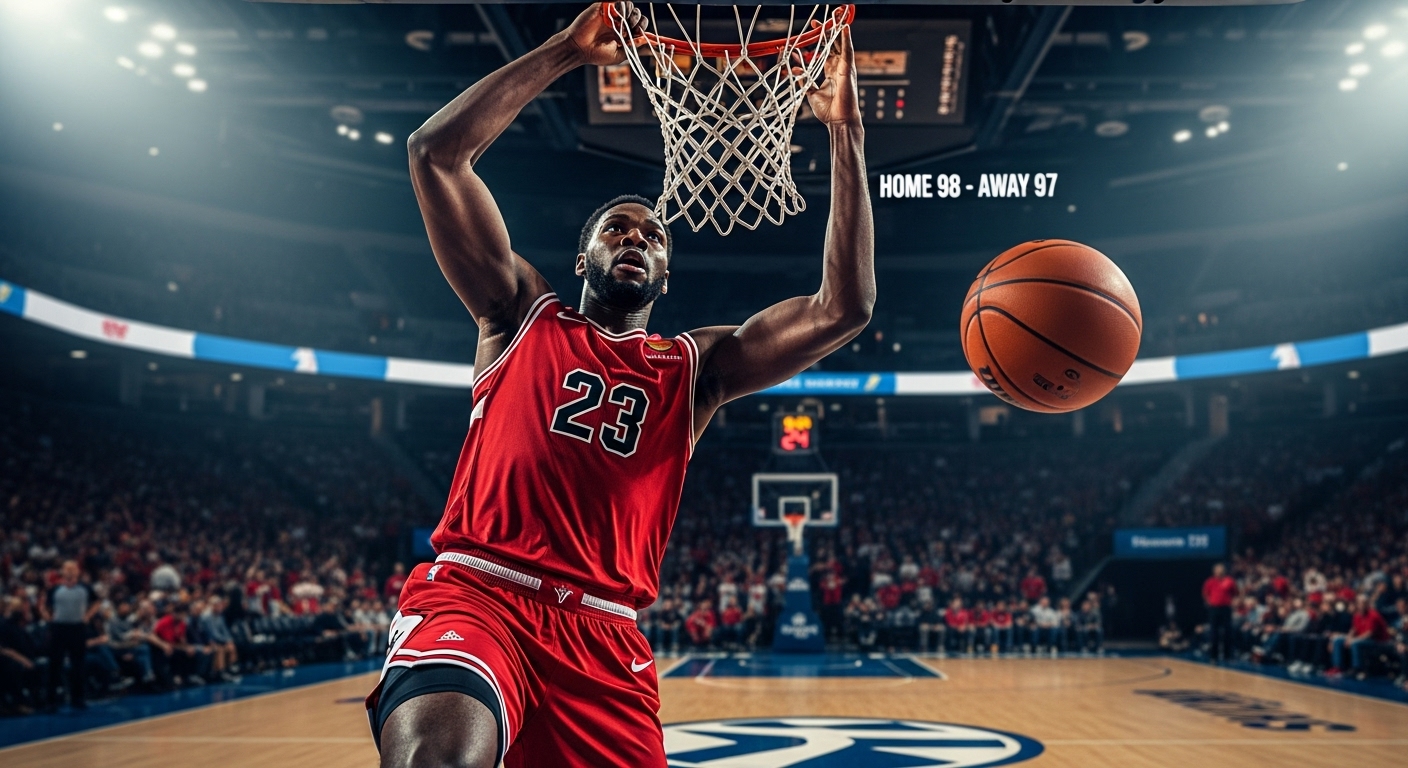





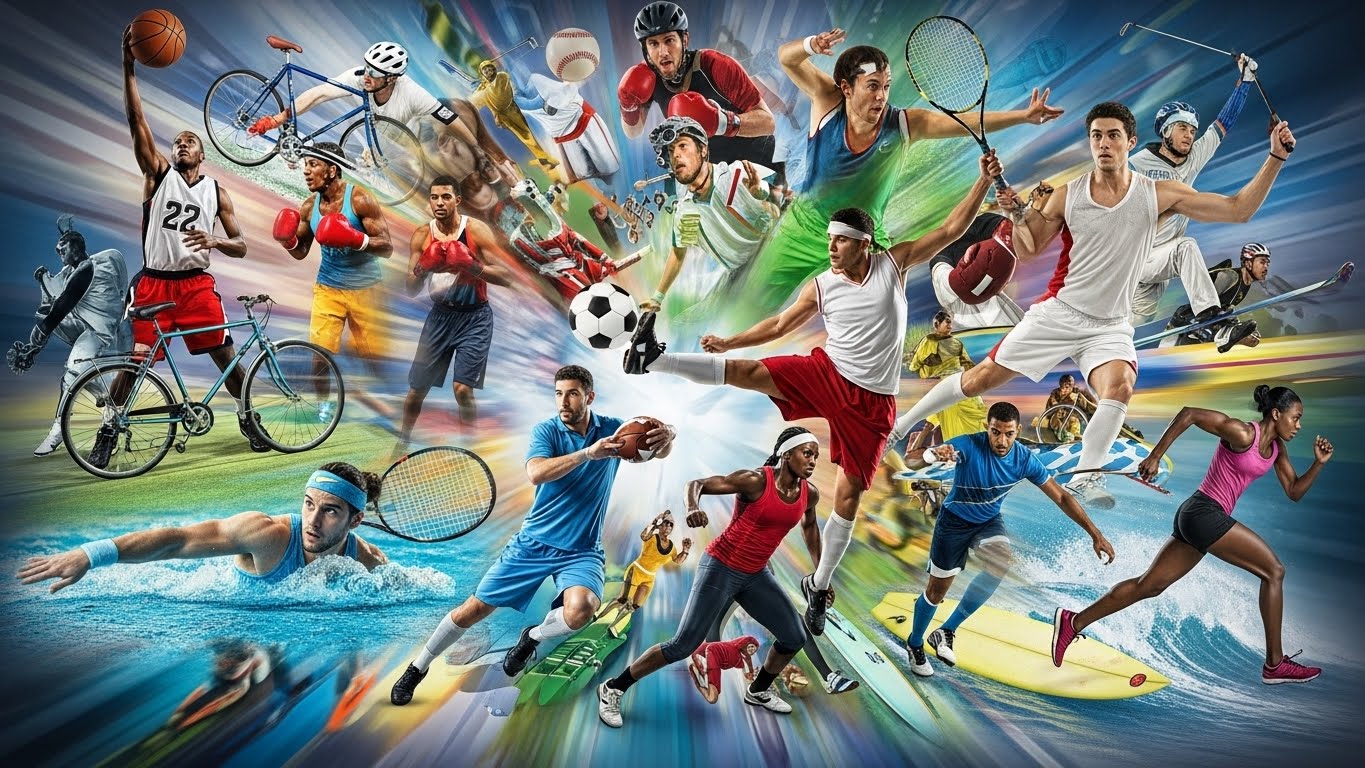
Sports have been an integral part of human life for centuries, transcending borders, cultures, and generations. More than just games, sports embody physical fitness, mental resilience, teamwork, and social bonding. From local playgrounds to global arenas, sports influence health, culture, and society in profound ways. In this blog, we explore the evolution of sports, their benefits, cultural significance, and the trends shaping the future of athletics.
The Origins of Sports
Sports have existed since ancient times, serving as entertainment, training, and social engagement. The earliest records of organized competition date back to ancient Egypt, Greece, and Mesopotamia. These civilizations used sports to honor gods, train warriors, and demonstrate physical prowess.
The Olympic Games in ancient Greece epitomized the cultural and social significance of sports. Competitions in running, wrestling, and chariot racing were celebrated as communal events that emphasized excellence, honor, and skill. Other ancient civilizations developed unique sporting traditions, including martial arts in Asia, archery contests, and traditional wrestling, each reflecting societal values and priorities.
Modern Sports and Organized Competitions
The 19th and 20th centuries marked the rise of modern sports with standardized rules, formal leagues, and international competitions. Football, cricket, basketball, tennis, and athletics became organized, with governing bodies ensuring fair play and consistent regulations.
The revival of the Olympic Games in 1896 brought nations together to celebrate human potential and competitive spirit. Professional leagues, sponsorships, and media coverage transformed sports into a global industry, creating opportunities for athletes, fans, and businesses alike. Today, sports are a source of national pride, economic activity, and cultural identity.
Physical Benefits of Sports
One of the most obvious benefits of sports is physical fitness. Regular participation enhances cardiovascular health, muscular strength, flexibility, and coordination. Sports also contribute to weight management, bone health, and overall endurance.
Different sports target different aspects of fitness. Endurance sports like running, swimming, and cycling build stamina, while strength-based sports like weightlifting and wrestling improve muscular development. Team sports like basketball and football enhance agility, reflexes, and coordination. Engaging in physical activity through sports encourages a healthier and more active lifestyle.
Mental and Emotional Benefits
Sports are equally beneficial for mental health. Participation in athletics improves focus, discipline, and problem-solving skills. Athletes learn to handle pressure, overcome setbacks, and set goals, developing resilience that extends beyond the playing field.
Engaging in sports reduces stress and promotes emotional well-being through the release of endorphins. The sense of accomplishment from achieving goals, winning matches, or improving skills enhances confidence and self-esteem. Sports also provide a constructive outlet for energy, helping individuals manage anxiety and maintain a positive mindset.
Teamwork and Social Skills
Team sports foster collaboration, communication, and leadership. Players learn to work together towards shared objectives, support teammates, and navigate challenges collectively. These skills are transferable to professional and personal contexts, helping individuals succeed in various areas of life.
Sports also promote empathy and cultural understanding. In diverse teams, players interact with individuals from different backgrounds, learning to respect differences and embrace inclusivity. Beyond teamwork, sports build social connections, create lifelong friendships, and foster a sense of community.
Sports as a Cultural Phenomenon
Sports are a reflection of culture and societal values. They celebrate perseverance, discipline, fair play, and excellence. Global events such as the FIFA World Cup, the Olympic Games, and major tennis tournaments unite millions of people, transcending national and cultural boundaries.
Athletes often become cultural icons, representing inspiration, ambition, and dedication. Sporting achievements influence fashion, media, literature, and art, while local sporting traditions help preserve cultural identity. Through sports, societies celebrate human potential and collective pride.
Women in Sports
The role of women in sports has evolved significantly over the past century. Female athletes now compete in professional leagues, international tournaments, and Olympic events, demonstrating talent, determination, and resilience.
Increased visibility and recognition of women’s sports inspire future generations to participate and challenge societal norms. Women athletes serve as role models, advocates, and leaders, promoting gender equality and inclusivity. The rise of women’s sports highlights the importance of providing equal opportunities and recognition for all athletes.
Technology and Innovation in Sports
Technology has transformed how sports are played, trained for, and experienced by fans. Video replay systems, goal-line technology, and wearable performance trackers enhance accuracy, fairness, and safety. Coaches use data analytics to evaluate performance, optimize strategies, and prevent injuries.
Virtual reality and augmented reality technologies provide immersive training experiences, allowing athletes to simulate competitive scenarios. Broadcasting innovations offer high-definition coverage, real-time statistics, and interactive fan engagement. Technology continues to elevate the quality, accessibility, and excitement of sports worldwide.
The Economics of Sports
Sports are a major economic driver. Professional leagues, sponsorships, merchandise, ticket sales, and broadcasting rights generate billions of dollars globally. The sports industry also creates jobs in coaching, management, marketing, media, and event organization.
Sports tourism contributes significantly to local economies, as fans travel to attend tournaments, championships, and exhibitions. Investments in stadiums and facilities enhance both athletic performance and community engagement. The economic impact of sports highlights its role beyond physical competition, affecting livelihoods and business ecosystems.
Youth Development and Sports
Sports play a crucial role in youth development, teaching discipline, responsibility, and time management. Young athletes develop physical skills, social competence, and emotional resilience through consistent participation in sports.
Youth programs also provide pathways to education, scholarships, and professional opportunities. By fostering teamwork, leadership, and strategic thinking, sports contribute to character development and prepare individuals for challenges in school, work, and life. Early exposure to sports encourages lifelong healthy habits and a positive attitude towards physical activity.
Globalization of Sports
Sports have become a global phenomenon, connecting people across continents. International tournaments bring together athletes, coaches, and fans, fostering understanding and camaraderie. Media coverage, live streaming, and social networks allow fans to experience events in real time, building global communities united by shared passion.
Globalization has also increased the exchange of techniques, strategies, and sports science knowledge. Athletes benefit from cross-cultural learning, while fans enjoy a diverse range of sports from different countries. Sports continue to bridge cultural gaps, promoting unity and international cooperation.
The Future of Sports
The future of sports is promising, driven by innovation, inclusivity, and technology. eSports, combining gaming and competition, represents a new frontier for athletic engagement and entertainment. Virtual and augmented reality are enhancing training and spectator experiences, creating more immersive environments.
Sustainability and environmental consciousness will shape sporting events, from eco-friendly stadiums to energy-efficient operations. Inclusive programs will continue to expand access, ensuring participation for individuals of all abilities and backgrounds. As technology, culture, and society evolve, sports will adapt, inspiring and connecting people across generations.
Conclusion
Sports are far more than games—they are a force that shapes health, society, culture, and personal growth. They encourage physical fitness, mental resilience, teamwork, and community engagement. From ancient civilizations to modern international competitions, sports have united people, celebrated excellence, and inspired countless lives.
The evolution of sports demonstrates human creativity, discipline, and ambition. Technology, globalization, and inclusivity continue to transform the sporting landscape, making it more accessible, interactive, and sustainable. Sports embody the best of human achievement, perseverance, and collaboration, proving that their influence extends far beyond the playing field.
Participation in sports cultivates strength, resilience, and character while connecting communities worldwide. The spirit of sports will continue to inspire, unite, and challenge individuals, fostering a healthier, more connected, and vibrant world.