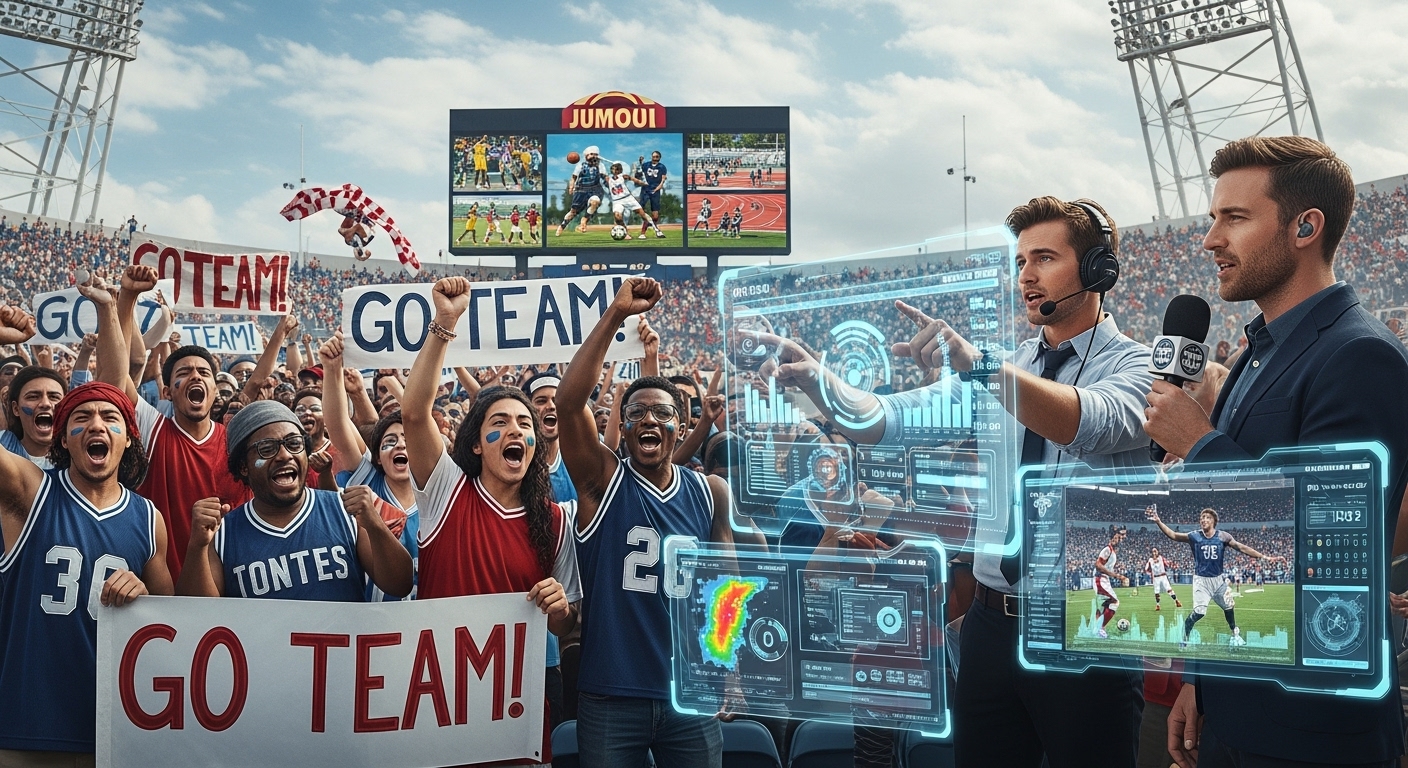





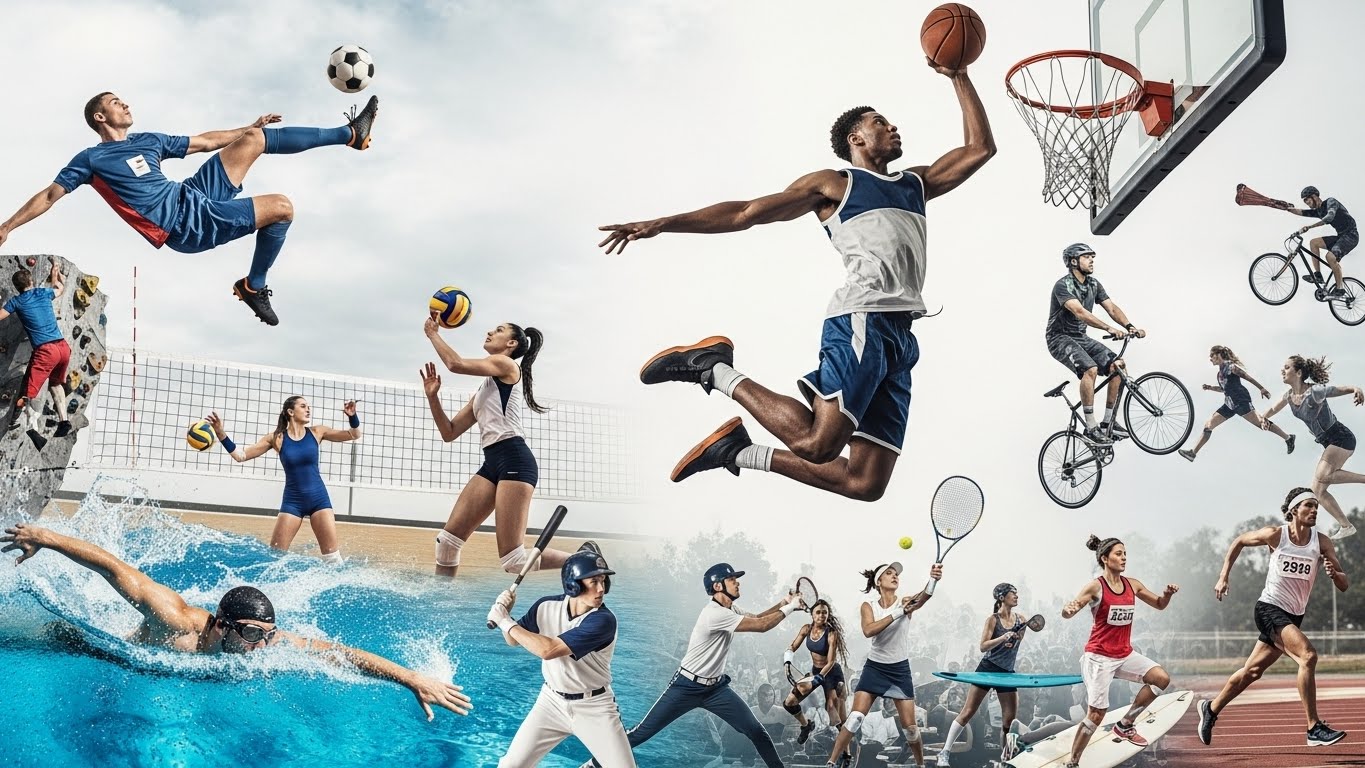
Sports have always been an integral part of human culture. From ancient civilizations to modern-day stadiums, the essence of sports has remained consistent: to inspire, unite, and challenge individuals and communities. They are more than just games; they are a reflection of human perseverance, passion, and the drive for excellence. The significance of sports stretches beyond the field or court, impacting economies, cultures, and individual lives. In this blog post, we will explore the far-reaching impact of sports, from their power to unite communities to their role in fostering personal growth and societal change. We will also take a look at how sports continue to evolve in the modern world, with new technologies and trends shaping their future.
The Universal Appeal of Sports
At the heart of sports is their universal appeal. Regardless of where people come from or what language they speak, sports bring individuals together in a shared experience. Whether it’s a game of soccer in a small village or the grandeur of the Olympic Games, sports unite people in ways few other activities can. They are a common ground for people from all walks of life to connect, cheer, compete, and celebrate victories.
One of the most beautiful aspects of sports is their ability to transcend cultural and linguistic boundaries. The FIFA World Cup, for example, brings together nations from around the world, showcasing a global camaraderie. People who may not speak the same language or share the same customs can still find common ground through their love for the game. A goal scored in Brazil or Germany is celebrated in homes, bars, and parks across the world, demonstrating the global nature of sports.
Moreover, the accessibility of many sports, such as soccer, basketball, and running, ensures that people from various socio-economic backgrounds can participate. Whether in a backyard, a community center, or a professional stadium, the essence of sports remains unchanged: the joy of participation, competition, and shared experience.
Sports and Personal Development
While sports are often viewed as a form of entertainment, they also play a crucial role in personal development. On an individual level, engaging in sports offers a myriad of benefits, from physical fitness to mental well-being. Regular participation in sports helps individuals stay healthy, maintain fitness levels, and develop skills that are transferable to many aspects of life.
Physically, sports help improve cardiovascular health, strength, flexibility, and coordination. They also play a significant role in weight management, reducing the risk of obesity, diabetes, and other lifestyle-related diseases. But the benefits of sports extend far beyond physical health. Sports also promote mental wellness by releasing endorphins, which are natural mood boosters. Engaging in physical activities has been shown to reduce stress, anxiety, and depression, while also enhancing cognitive function and memory.
The skills learned through sports, such as discipline, teamwork, leadership, and resilience, are equally important. Athletes must learn to work with others, set goals, and persevere in the face of challenges. These skills are invaluable not only in the world of sports but also in personal and professional lives. Teamwork and leadership, for example, are essential in virtually every career, and the ability to stay focused and motivated in the face of adversity is a trait that can lead to success in any field.
Additionally, sports provide opportunities for self-expression and creativity. In individual sports like gymnastics or figure skating, athletes use their bodies to tell stories and express emotion. In team sports like football or basketball, players express their abilities through strategy, coordination, and improvisation. Sports allow individuals to push their limits, take risks, and achieve things they never thought possible.
The Role of Sports in Building Communities
Sports play an undeniable role in building and strengthening communities. At the local level, sports teams and recreational leagues offer a space for people to come together, form friendships, and support one another. Whether it’s a youth soccer league, a neighborhood softball game, or an adult basketball league, sports serve as a gathering point for people to connect and foster a sense of belonging.
Local sports teams can unite a community, instilling pride and creating a collective identity. These teams, whether school-based or community-based, become an essential part of local culture, bringing together families, friends, and neighbors. The emotional investment in local teams creates a shared sense of triumph and defeat, which strengthens the social fabric of a community. When a local team wins a championship, it is not just a victory for the players; it’s a victory for everyone who supported them along the way.
Beyond local communities, sports also have a significant impact on national and international unity. Major international events like the Olympics and the World Cup provide a platform for nations to come together and celebrate athletic excellence. These events create a sense of pride and belonging, as people from all over the world come together to cheer on their teams and athletes. The global attention these events attract fosters peace, dialogue, and cross-cultural understanding, proving that sports can be a force for unity on a global scale.
Sports as a Catalyst for Social Change
Throughout history, sports have served as a powerful tool for social change. Athletes, using their platform and influence, have sparked conversations about racial equality, gender rights, and political freedoms. Their efforts have transcended the boundaries of the playing field, inspiring societal movements and bringing attention to critical issues.
The civil rights movement in the United States, for instance, saw the involvement of athletes like Muhammad Ali, Jackie Robinson, and Tommy Smith and John Carlos, whose actions in the world of sports became symbols of resistance against racism and injustice. Muhammad Ali, for example, was not only a boxing champion but also an outspoken critic of the Vietnam War and racial inequality. His refusal to serve in the war, combined with his advocacy for civil rights, made him a global figure for social change.
Similarly, the 1968 Olympic Games in Mexico City became a platform for social protest when American sprinters Tommy Smith and John Carlos raised their fists in the Black Power salute during the medal ceremony. This iconic moment was a powerful symbol of solidarity with the civil rights movement and a call for equality and justice.
In recent years, athletes have continued to use their platforms to advocate for change. Colin Kaepernick’s protest against racial injustice, in which he took a knee during the national anthem, sparked widespread conversation about police brutality and systemic racism. His actions led to a wave of similar protests across professional sports leagues and further highlighted the role sports play in addressing social issues.
Sports have the ability to create awareness, challenge norms, and inspire action. Whether through individual athletes or collective movements, the intersection of sports and social change continues to be a force for progress and justice in the world.
The Business of Sports: A Multibillion-Dollar Industry
The sports industry has evolved into one of the largest and most lucrative industries in the world. From sponsorships and broadcasting rights to ticket sales and merchandise, sports generate billions of dollars annually. The global appeal of sports has created a thriving market that extends far beyond the games themselves.
Professional sports leagues, including the NFL, NBA, MLB, and Premier League, have turned into international brands, with teams, players, and merchandise selling globally. The rise of digital media and social platforms has allowed fans to engage with their favorite teams and athletes on a deeper level, leading to increased revenue streams for leagues and organizations. Broadcast rights for major sporting events, such as the World Cup and the Olympics, have become immensely valuable, with media companies paying billions for the privilege of airing these events to a global audience.
Sponsorships also play a crucial role in the business of sports. Companies pay large sums to associate their brand with top-tier teams, athletes, and events. The partnership between sports and business is mutually beneficial—brands gain exposure to massive global audiences, while sports organizations receive financial support that helps them operate, expand, and invest in future growth.
The economic impact of sports is also felt on a local level. Hosting major events like the Super Bowl, the World Cup, or the Olympics provides a significant economic boost to host cities, creating jobs, driving tourism, and increasing spending in local businesses. Sports tourism, in particular, has become a thriving industry, with fans traveling across the world to attend major events and support their teams.
The Future of Sports: Technology and Innovation
The future of sports is increasingly intertwined with technology. As technology continues to advance, the way sports are played, viewed, and experienced will evolve dramatically. Innovations in wearable tech, data analytics, and virtual reality are already changing the game, enhancing both athlete performance and fan engagement.
Wearable devices, such as fitness trackers and smartwatches, are revolutionizing the way athletes train and monitor their health. These devices allow athletes to track their performance in real-time, providing valuable insights into their physical condition, stamina, and recovery. Coaches and teams can use this data to adjust training regimens, prevent injuries, and optimize performance.
Virtual reality (VR) and augmented reality (AR) are also transforming the fan experience. VR technology allows fans to experience live games from the perspective of the players, while AR can enhance the viewing experience by overlaying real-time stats and interactive features. These technologies will continue to improve the way fans engage with their favorite sports, making the experience more immersive and dynamic.
Artificial intelligence (AI) is also playing a growing role in sports, particularly in areas like game analysis and decision-making. AI can be used to analyze player performance, assess strategies, and even predict the outcomes of games. This can help teams make more informed decisions and create more competitive, exciting matches.
Conclusion: The Everlasting Impact of Sports
Sports are a cornerstone of human culture, with a lasting impact on individuals, communities, and the world. From personal development and physical health to global unity and social change, sports play a multifaceted role in shaping society. They provide an outlet for competition, creativity, and self-expression, while also offering opportunities for collaboration, growth, and progress.