




Introduction: The Universal Language of Sports
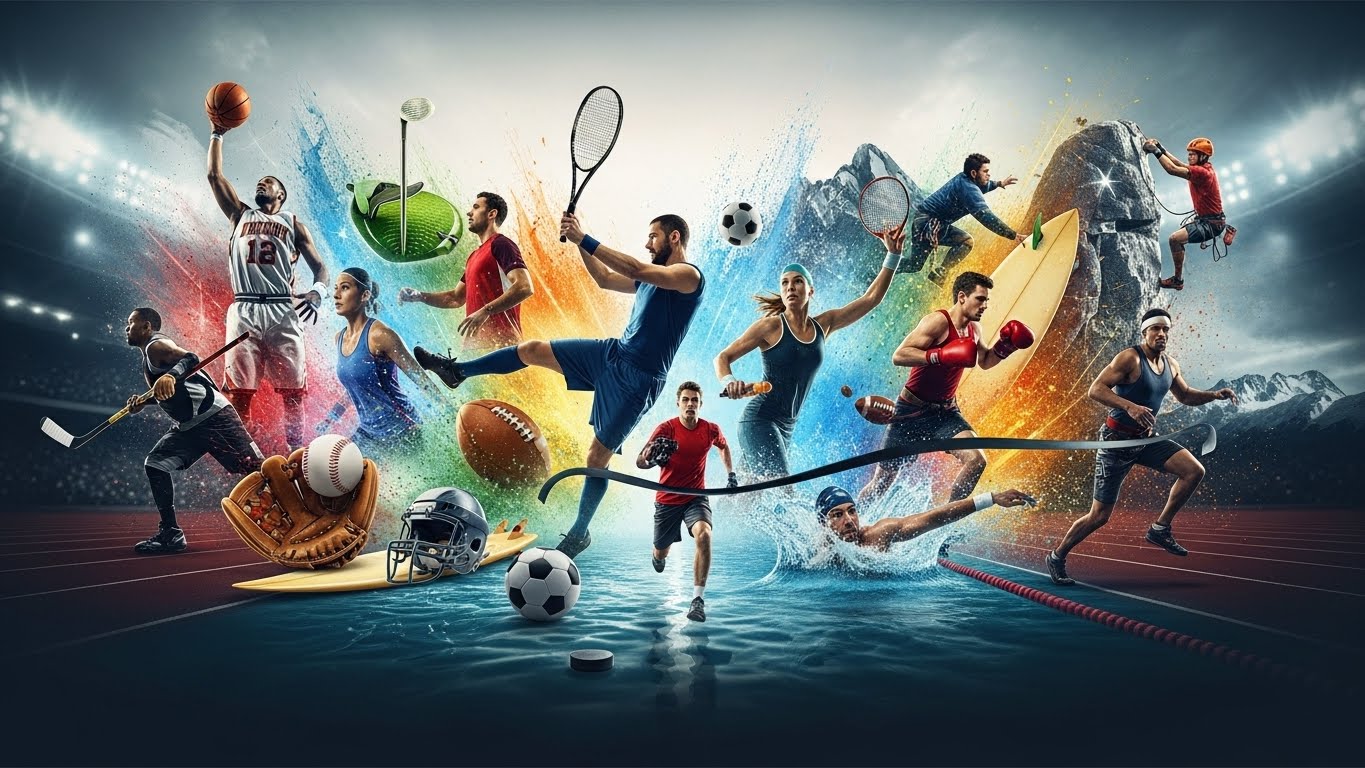
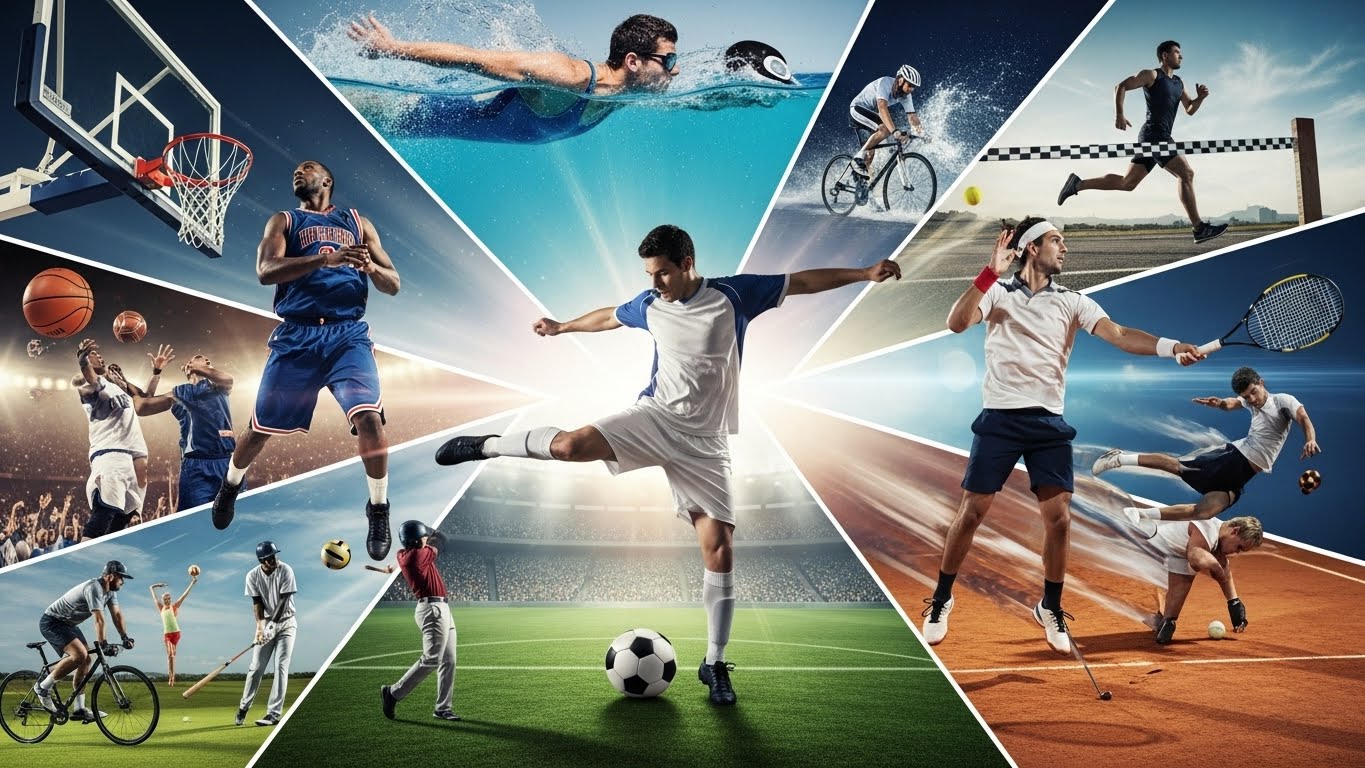
Sports have always been more than just a form of entertainment. From the bustling streets of urban cities to the quiet rural fields, sports connect people across cultures, ages, and backgrounds. Whether played professionally or casually, sports possess a unique ability to inspire teamwork, resilience, and personal growth. The roar of the crowd, the tension in a critical match, and the sheer joy of scoring a goal or breaking a personal record capture emotions that transcend language and geography. Beyond the excitement, sports influence mental and physical health, foster community spirit, and play a vital role in shaping individual character and societal values.
Physical Health Benefits: More Than Just Fitness
Engaging in sports is a cornerstone for maintaining physical well-being. Regular participation in physical activity strengthens the cardiovascular system, enhances muscle tone, and improves flexibility. For children and adolescents, sports encourage healthy growth patterns and prevent the onset of lifestyle-related diseases such as obesity and diabetes. Adults, too, benefit from sports by reducing the risk of heart disease, improving endurance, and maintaining bone density. Beyond the obvious physical benefits, sports help in improving coordination, balance, and reflexes. Even simple recreational activities like cycling, swimming, or playing basketball stimulate the body in ways that gym routines alone often cannot replicate.
Mental Health Advantages: Sports as Therapy
The mental and emotional benefits of sports are equally significant. Engaging in regular physical activity releases endorphins, the body’s natural mood enhancers, which help combat stress, anxiety, and depression. Team sports, in particular, offer opportunities for social interaction, fostering a sense of belonging and reducing feelings of isolation. Athletes often develop sharper cognitive abilities, including strategic thinking, focus, and quick decision-making, which can translate into improved performance in everyday life. Additionally, facing challenges in sports builds resilience, teaching individuals to cope with setbacks and persevere in the face of difficulties. In many ways, sports act as a natural therapy, promoting mental clarity and emotional balance.
Teamwork and Social Skills: Lessons Beyond the Field
One of the most valuable lessons sports offer is the importance of teamwork. On a soccer field, a basketball court, or a cricket pitch, collaboration is essential. Athletes learn to communicate effectively, anticipate teammates’ actions, and trust others to perform their roles. These skills extend beyond the sports arena, influencing workplace dynamics, community involvement, and personal relationships. Participation in team sports nurtures empathy, patience, and conflict resolution skills. It also provides opportunities for leadership, as captains and senior players mentor and guide their teammates. The bonds formed through sports often last a lifetime, creating networks of support and friendship that enrich personal and professional lives.
Discipline and Goal Setting: Building Character Through Sports
Sports instill a strong sense of discipline. Athletes must adhere to rigorous training schedules, maintain balanced diets, and continuously refine their skills. This commitment requires dedication, time management, and self-control, all of which are transferable to other areas of life. Sports also emphasize the importance of setting goals, whether it’s improving a personal record, winning a championship, or mastering a specific skill. By striving to achieve these objectives, athletes learn patience, perseverance, and the value of hard work. The lessons of self-discipline and goal-setting often translate into success in academics, careers, and personal development, making sports a powerful tool for character building.
Cultural Impact: Sports as a Bridge Between Communities
Sports have the remarkable ability to bring together people from diverse backgrounds. International tournaments, such as the Olympics and the World Cup, celebrate not only athletic excellence but also cultural diversity and global unity. Local sports events and community leagues strengthen social cohesion, fostering pride and identity. For marginalized communities, sports can offer pathways to recognition, education, and social mobility. The shared passion for a team or a sport creates common ground, transcending differences in ethnicity, religion, or socioeconomic status. In essence, sports act as a bridge, connecting individuals and communities through shared experiences and collective enthusiasm.
Economic Influence: Sports Beyond Entertainment
The economic significance of sports cannot be underestimated. Sporting events generate revenue through ticket sales, merchandise, sponsorships, and broadcasting rights. Professional leagues and tournaments create employment opportunities for athletes, coaches, trainers, referees, and support staff. Local economies benefit from sports tourism, as fans travel to attend games and events, boosting businesses in hospitality, transportation, and retail sectors. Additionally, investment in sports infrastructure, such as stadiums and training facilities, often revitalizes neighborhoods and encourages community development. Beyond direct financial gains, sports inspire innovation in marketing, technology, and media, reflecting its multifaceted impact on society.
Inspiration and Role Models: Learning from Athletes
Athletes serve as powerful role models, inspiring people to pursue their dreams and embrace healthy lifestyles. Stories of perseverance, determination, and triumph against adversity motivate individuals to push beyond their limits. For young fans, observing athletes’ dedication and ethical conduct encourages the adoption of positive habits and values. Beyond professional success, many athletes engage in philanthropy, social activism, and community development, using their platform to promote education, equality, and environmental awareness. The influence of sports figures extends beyond the field, shaping societal attitudes and encouraging personal growth.
Technological Advancements: Enhancing Performance and Experience
The evolution of technology has transformed the way sports are played, analyzed, and experienced. Wearable devices, performance tracking software, and biomechanical analysis tools allow athletes to optimize training, prevent injuries, and achieve peak performance. Sports analytics provide coaches with detailed insights, enabling strategic decision-making and talent identification. Fans, too, benefit from technological advancements, with live streaming, virtual reality, and interactive platforms enhancing engagement and accessibility. Technology bridges the gap between athletes and audiences, making sports more inclusive, immersive, and globally connected.
Conclusion: The Enduring Legacy of Sports
Sports are far more than competitions or recreational activities; they are a reflection of human spirit, resilience, and community. They shape character, enhance physical and mental well-being, and foster unity across diverse populations. From inspiring young athletes to strengthening local communities, the influence of sports permeates every aspect of society. As technology, globalization, and social awareness continue to evolve, the role of sports will expand, creating opportunities for personal growth, cultural exchange, and social progress. Ultimately, sports remind us of the universal values of determination, collaboration, and passion, leaving an enduring legacy that goes well beyond the scoreboard.