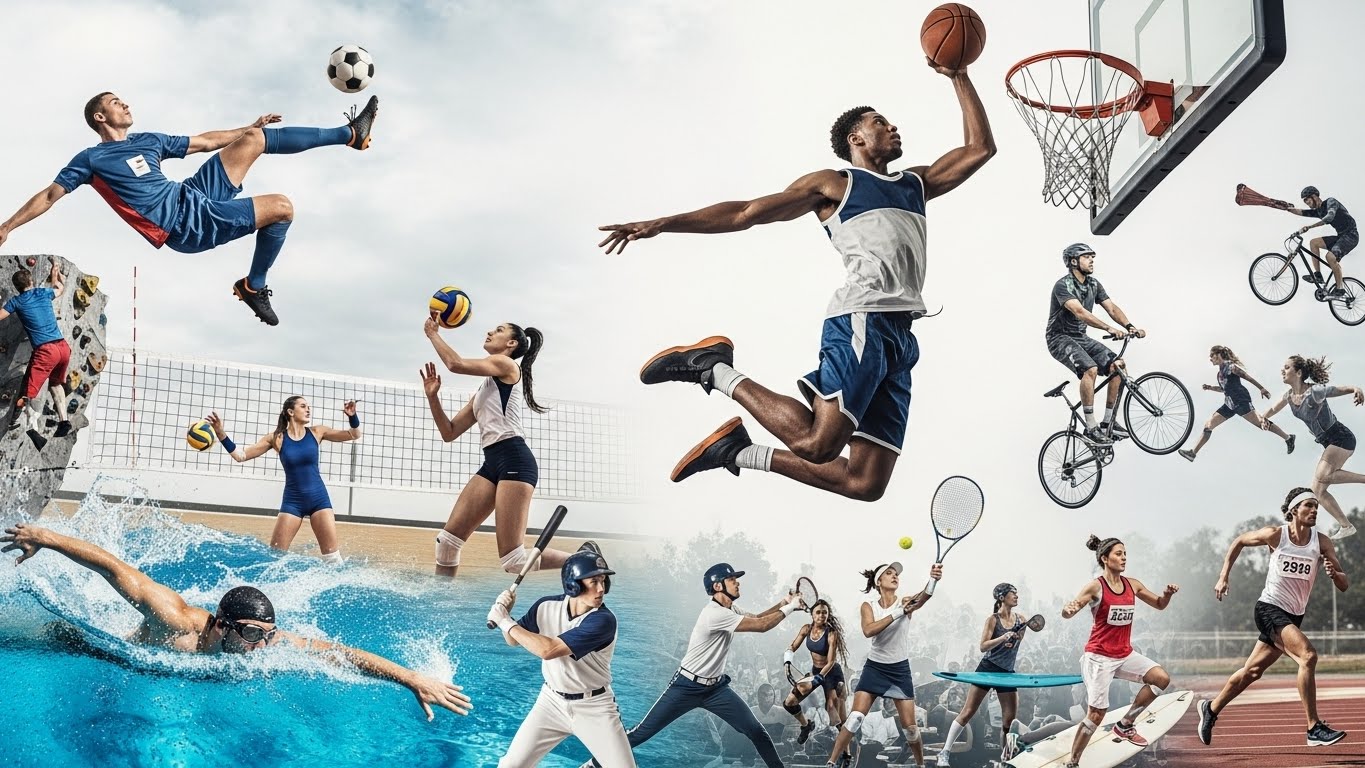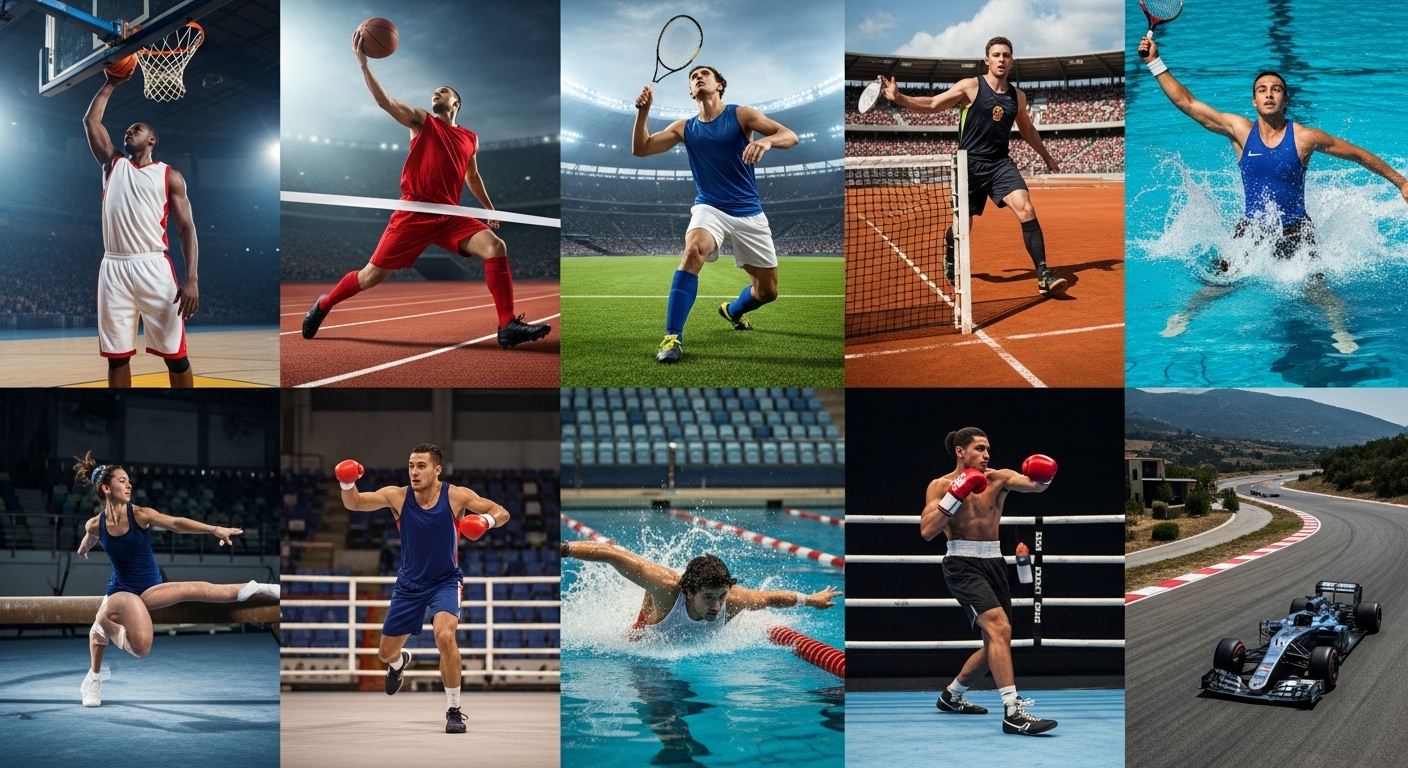





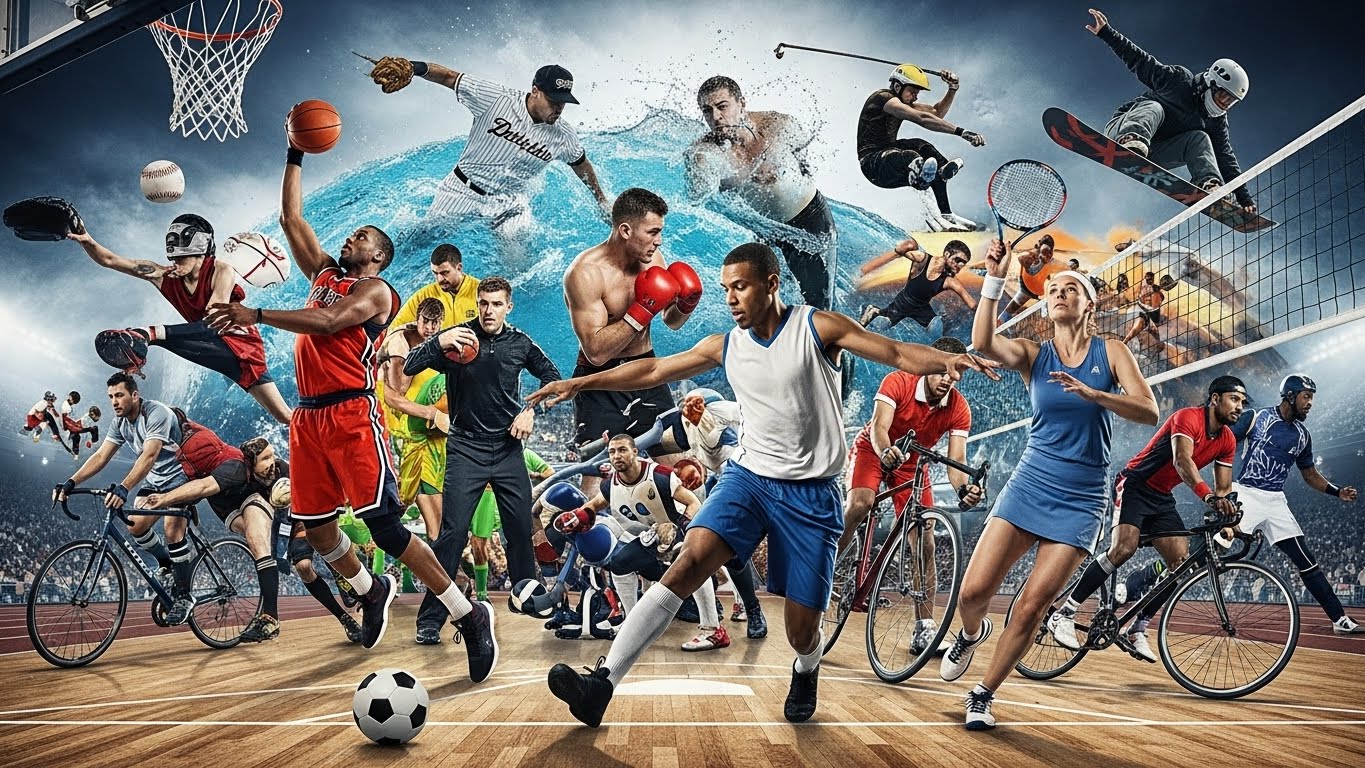
Introduction: More Than Just a Game
Sports have been a fundamental part of human culture for centuries. From ancient Olympic games in Greece to modern-day global competitions, sports transcend borders, languages, and generations. While many people see sports purely as entertainment or a physical activity, their impact goes far deeper. They shape mental resilience, physical health, social bonds, and even personal identity. Engaging in sports, whether as a professional athlete or an amateur, brings lessons that extend well beyond the playing field. In this article, we explore how sports influence our lives in multiple dimensions and why they remain an essential part of human society.
The Physical Benefits of Sports
One of the most obvious advantages of participating in sports is physical fitness. Regular physical activity strengthens the heart, muscles, and bones, improving overall endurance and flexibility. Cardiovascular exercises like running, swimming, or cycling enhance lung function and reduce the risk of chronic illnesses such as diabetes and hypertension. Strength-based activities such as weightlifting or martial arts help maintain bone density and prevent injuries. Beyond structured training, sports promote active lifestyles by encouraging movement in everyday life. Children who participate in team sports are more likely to adopt healthy habits, while adults maintain mobility and energy as they age. Sports not only sculpt the body but also support long-term health and wellness.
Mental Health and Cognitive Benefits
Sports are not just a workout for the body—they are a workout for the mind. Regular physical activity is closely linked to improved mental health outcomes. Exercise releases endorphins, the body’s natural “feel-good” chemicals, which help reduce stress, anxiety, and depression. Engaging in sports also promotes better sleep patterns, sharper focus, and enhanced cognitive functioning. For young athletes, learning complex strategies or memorizing plays improves problem-solving skills and mental agility. In competitive environments, players develop resilience, discipline, and the ability to manage setbacks. Sports also foster emotional intelligence by teaching individuals to regulate emotions, understand team dynamics, and develop empathy toward teammates and opponents alike.
Building Character Through Teamwork
One of the most profound lessons sports impart is the value of teamwork. No matter the discipline, collaboration is essential for success. Players learn how to communicate effectively, resolve conflicts, and coordinate efforts toward a common goal. Team sports, such as soccer, basketball, or volleyball, emphasize shared responsibility and collective effort, teaching participants that victories are earned together. Even individual sports like tennis or track can cultivate a sense of community through training groups, clubs, and competitions. The experiences of supporting others, celebrating achievements, and learning from losses contribute to character development, reinforcing values like integrity, perseverance, and accountability.
Discipline and Goal Setting
Success in sports requires discipline, consistent effort, and clear goal setting. Athletes often follow rigorous schedules, balancing practice, nutrition, rest, and competition. This structured approach cultivates time management skills and a strong work ethic that extends into other areas of life. Setting short-term and long-term goals, tracking progress, and adjusting strategies based on performance teach individuals how to plan effectively and stay motivated. Whether a child is learning to master swimming strokes or an adult is preparing for a marathon, the principles of discipline, persistence, and incremental improvement remain universal. Sports instill a mindset that embraces challenges, adapts to setbacks, and celebrates growth.
Sports as a Tool for Social Connection
Beyond personal development, sports play a crucial role in building social bonds. Participation in sports often leads to friendships that transcend cultural, linguistic, and socioeconomic boundaries. Shared experiences in training, competitions, and celebrations create a sense of belonging and community. Spectator sports, too, foster connection, as fans gather to support their teams and share collective emotions. Sporting events can bring entire communities together, encouraging civic pride and promoting social cohesion. In schools and local clubs, sports provide safe environments where individuals can interact, learn teamwork, and develop social skills. The relationships formed through sports often last a lifetime, highlighting the social power of play.
The Role of Sports in Education
Sports and education are intertwined in ways that benefit both mind and body. Schools that emphasize physical education and extracurricular sports programs see improved academic performance among students. Participation in sports enhances concentration, memory, and executive functioning, which translate into better classroom outcomes. Moreover, sports teach valuable life skills such as leadership, time management, and decision-making. Student-athletes often juggle rigorous academic and athletic schedules, learning resilience and adaptability along the way. Sports also provide opportunities for scholarships and career pathways, demonstrating that dedication in one area can open doors in another. Integrating sports into education equips students with holistic skills for lifelong success.
Professional Sports and Economic Impact
Professional sports are not only a source of entertainment but also a major economic driver. Leagues, tournaments, and franchises generate significant revenue through ticket sales, merchandising, sponsorships, and broadcasting rights. Sporting events create employment opportunities for coaches, trainers, referees, and media personnel. Cities hosting major competitions often experience economic growth through tourism, hospitality, and infrastructure development. Beyond the financial aspect, professional athletes serve as role models, inspiring younger generations to pursue healthy lifestyles and personal goals. The influence of professional sports demonstrates how athletic achievement can resonate culturally, socially, and economically, making sports a multidimensional force in society.
Inclusion and Accessibility in Sports
Modern sports have increasingly emphasized inclusivity and accessibility. Adaptive sports programs for individuals with disabilities, women’s leagues, and community outreach initiatives ensure that athletic opportunities are available to diverse populations. Promoting equality in sports challenges societal biases and encourages participation regardless of age, gender, or physical ability. Accessible sports programs help individuals build confidence, maintain health, and integrate socially. By breaking down barriers and fostering representation, sports contribute to a more equitable society, showing that athletic engagement is a universal right rather than a privilege.
Sports and Cultural Identity
Sports also serve as a lens through which cultural identity is expressed and celebrated. National teams, traditional games, and local tournaments reflect the heritage and values of communities. Events like the Olympics or regional championships bring global attention to unique traditions, fostering pride and unity. Cultural rituals, chants, and fan practices create a shared experience that strengthens group identity. For individuals, participating in culturally significant sports provides a sense of belonging and personal connection to their roots. Sports act as a bridge between tradition and modernity, connecting generations and promoting cross-cultural understanding.
The Future of Sports
Looking ahead, the role of sports in society will continue to evolve with technology, science, and social progress. Innovations in training methods, wearable devices, and data analytics are revolutionizing performance optimization. Virtual reality, eSports, and interactive platforms are expanding the definition of sports and creating new forms of engagement. At the same time, the core values of sports—discipline, teamwork, resilience, and joy—remain unchanged. As long as humans value health, connection, and competition, sports will continue to inspire, challenge, and unite people worldwide. Embracing both tradition and innovation, sports will remain a central pillar of human development and cultural expression.
Conclusion: Embracing the Spirit of Sports
Sports are far more than a form of entertainment or physical exercise. They are a vehicle for personal growth, social connection, cultural expression, and economic development. By promoting physical fitness, mental resilience, teamwork, discipline, and inclusivity, sports shape individuals and communities in profound ways. Whether playing on a local field, competing professionally, or cheering from the stands, people experience the transformative power of sports. In a world that often emphasizes competition in isolation, sports remind us that success is most meaningful when shared, challenges are most valuable when overcome, and play is most enriching when embraced wholeheartedly. Ultimately, the spirit of sports is the spirit of human potential—a celebration of what we can achieve together and individually.