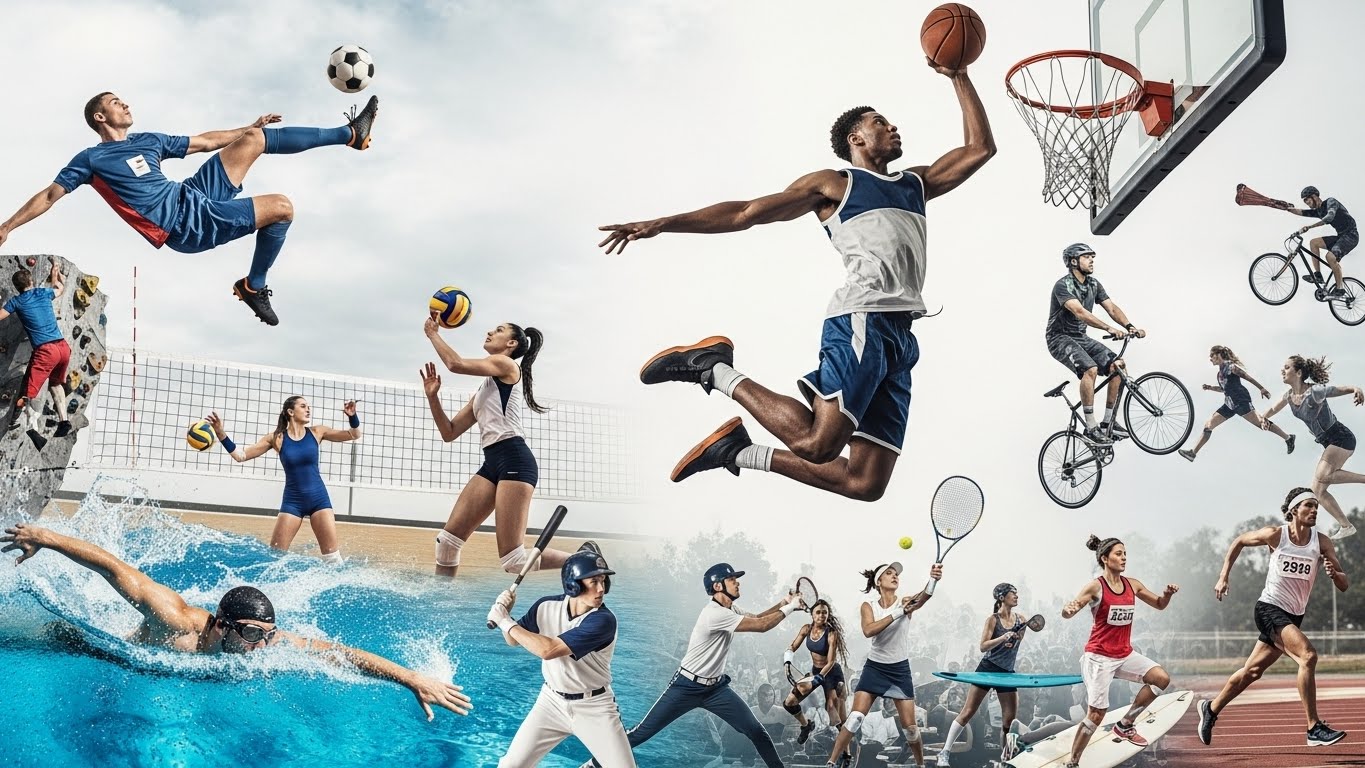






Sports have always been an integral part of human culture. From ancient civilizations to modern-day global competitions, the power of sports transcends mere physical activity. It is a platform where discipline meets passion, teamwork meets individual brilliance, and dedication transforms into triumph. The appeal of sports is universal, connecting people across cultures, languages, and generations. This blog explores the multifaceted world of sports, delving into its significance, benefits, challenges, and the stories that make it unforgettable.
The Historical Evolution of Sports
Sports have been around for thousands of years, evolving from rudimentary contests of strength and skill to highly organized and professionalized competitions. In ancient Greece, the Olympics were not just a showcase of physical prowess but a demonstration of discipline, strategy, and honor. Similarly, ancient civilizations in Egypt, China, and India had their own versions of competitive games, which were deeply intertwined with cultural traditions and social structures. Over centuries, sports have transformed from local competitions to global spectacles, thanks to advances in technology, communication, and infrastructure. This evolution reflects not only our growing love for sports but also humanity’s innate desire to compete, improve, and achieve greatness.
The Role of Sports in Building Character
One of the most remarkable aspects of sports is its ability to shape character. Participation in sports teaches individuals valuable life skills that extend far beyond the field. Discipline is perhaps the most prominent quality cultivated through sports. Regular practice, adherence to rules, and maintaining physical fitness require a level of self-control that resonates in personal and professional life. Similarly, sports instill resilience. Athletes often face setbacks, losses, or injuries, and learning to cope with these challenges fosters mental toughness. Moreover, sports nurture teamwork and leadership skills. Understanding team dynamics, supporting colleagues, and making strategic decisions are skills that athletes carry into every aspect of life.
Physical Benefits of Engaging in Sports
The most obvious benefit of sports is its impact on physical health. Regular participation in sports improves cardiovascular health, strengthens muscles, enhances flexibility, and supports weight management. Activities like running, swimming, cycling, and ball games stimulate metabolism, improve endurance, and reduce the risk of chronic diseases such as diabetes, hypertension, and obesity. Beyond these physical advantages, sports enhance coordination, balance, and reflexes, which are essential for both everyday activities and athletic performance. Furthermore, engaging in sports from an early age establishes healthy habits that persist throughout life, encouraging a lifestyle focused on wellness and vitality.
Mental and Emotional Advantages
While the physical benefits are evident, sports also play a critical role in mental and emotional well-being. Regular physical activity releases endorphins, known as the “feel-good” hormones, which help reduce stress, anxiety, and depression. Sports provide an outlet for emotional expression, allowing individuals to channel energy positively. The sense of accomplishment from achieving personal or team goals boosts self-confidence and self-esteem. Additionally, competitive sports foster focus, concentration, and strategic thinking. Athletes are constantly evaluating situations, making quick decisions, and adapting strategies, which sharpen cognitive abilities. The mental discipline cultivated through sports often translates into better performance in academics, careers, and daily life.
The Social Impact of Sports
Sports are a powerful social unifier. They bring people together, transcending boundaries of culture, religion, and nationality. Major sporting events, whether local leagues or international tournaments, create a sense of community and shared identity. Fans celebrate victories and endure defeats together, fostering a collective spirit that strengthens social bonds. Participation in team sports also enhances social skills, teaching communication, empathy, and cooperation. Sports can be a force for social change as well, raising awareness about important issues, promoting equality, and inspiring younger generations to pursue their dreams. In many communities, sports programs provide opportunities for youth to engage in constructive activities, reducing the risk of delinquency and promoting inclusivity.
Inspirational Stories from the World of Sports
The history of sports is filled with stories that inspire and motivate. Athletes like Jesse Owens, who triumphed against racial discrimination during the 1936 Olympics, or Serena Williams, whose determination and talent have transformed women’s tennis, demonstrate the power of perseverance. These stories highlight that sports are not just about winning; they are about overcoming obstacles, breaking barriers, and pushing the limits of human potential. Even in lesser-known sports and local leagues, countless athletes achieve personal milestones that reflect dedication and hard work. The emotional impact of these stories resonates with fans, encouraging them to pursue their own aspirations with equal passion and commitment.
Challenges in the Modern Sports Landscape
Despite its numerous benefits, sports today face significant challenges. Commercialization has transformed many sports into high-stakes business ventures, where financial interests sometimes overshadow the essence of fair play. Doping, unethical practices, and match-fixing have threatened the credibility of competitions. The pressure to perform at elite levels also affects athletes’ mental health, leading to stress, burnout, and in extreme cases, career-ending decisions. Accessibility remains another challenge, as not everyone has equal opportunities to participate in sports due to economic, social, or infrastructural barriers. Addressing these issues requires a commitment from governments, organizations, and communities to ensure that sports remain inclusive, ethical, and focused on the holistic development of athletes.
The Future of Sports: Technology and Innovation
Technology is reshaping the world of sports in unprecedented ways. From advanced training equipment to real-time performance analytics, athletes now have access to tools that enhance efficiency and precision. Wearable devices track fitness levels, while virtual reality and simulation technologies provide immersive training experiences. Fans also experience sports differently through live streaming, augmented reality, and interactive platforms that bring them closer to the action. Beyond entertainment, technology is helping improve fairness in competitions through innovations such as instant replay systems and goal-line technology. Looking ahead, the fusion of sports and technology promises not only improved performance but also a richer, more engaging experience for athletes and fans alike.
Why Sports Will Always Matter
Sports are more than games—they are a reflection of human spirit, resilience, and aspiration. They teach lessons about life, forge connections between people, and inspire generations. Whether on the playground, in professional arenas, or on global stages, sports hold a unique power to motivate, unite, and transform. The thrill of competition, the dedication to improvement, and the joy of victory resonate universally, reminding us of our shared humanity. No matter how much the world changes, the essence of sports—the pursuit of excellence, fair play, and passion—will remain timeless.
Conclusion
The realm of sports encompasses far more than physical activity or entertainment. It is a dynamic force shaping individuals, communities, and societies. From historical roots to modern innovations, sports continue to influence health, character, and social cohesion. The inspiring journeys of athletes, the emotional highs of victories, and the lessons learned from challenges make sports an invaluable part of life. As we continue to celebrate, participate in, and innovate within the world of sports, we honor not only the games themselves but also the enduring spirit that drives human achievement. Sports remind us that while winning is celebrated, the true victory lies in the effort, perseverance, and joy of the journey.