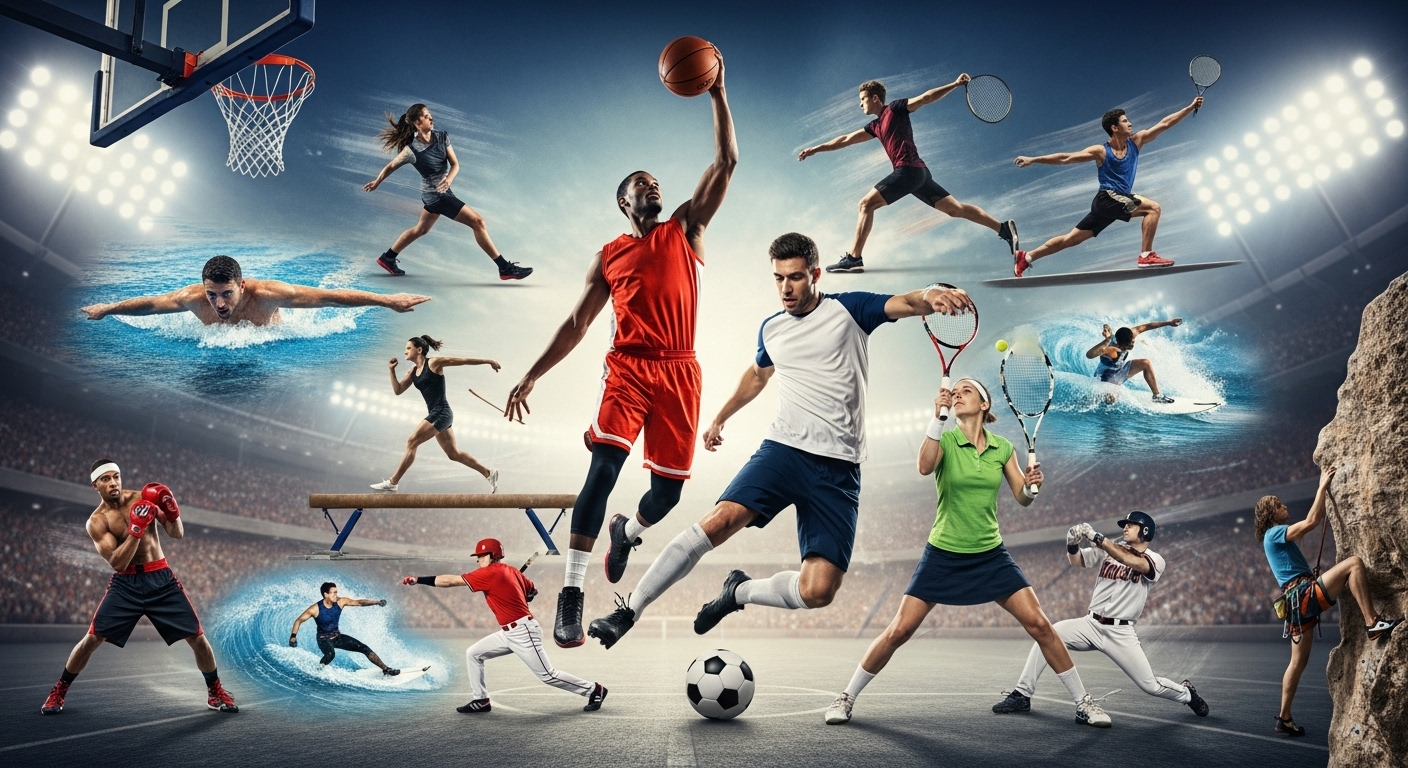





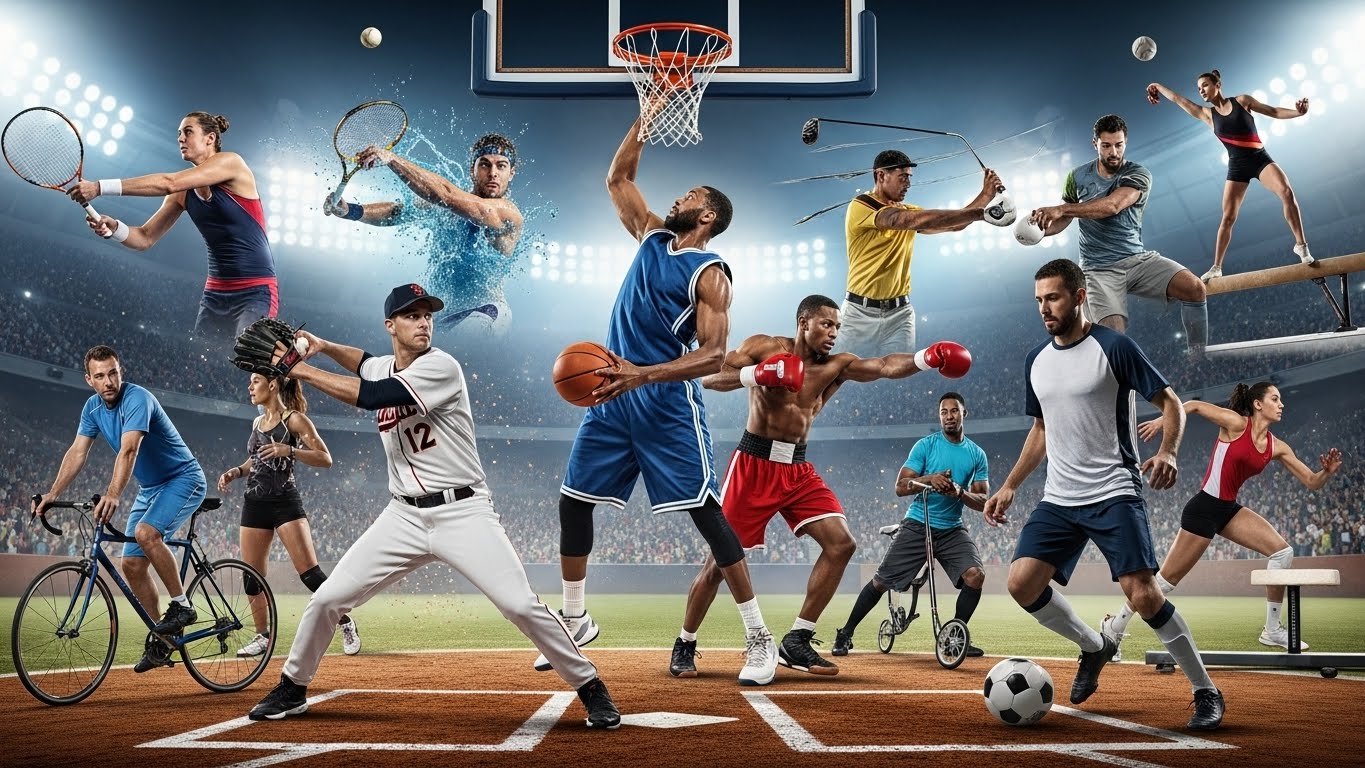
Sports are much more than mere games played on fields, courts, and tracks. They are powerful cultural events, sources of personal development, and tools of social change. From professional leagues to grassroots competitions, sports have always had a profound effect on society, offering countless benefits that extend beyond the physical. In this blog post, we will explore the multifaceted impact of sports, from personal growth to their influence on national and global scales. Let’s dive into why sports matter and how they shape the world around us.
The Evolution of Sports: From Ancient Times to Modern-Day
The history of sports dates back to ancient civilizations, where they were more than just competitive activities; they were cultural practices intertwined with religious rituals, social customs, and even political motivations. The Greeks, for instance, held the Olympic Games every four years, celebrating the gods while also showcasing their prowess in various physical contests.
In the Middle Ages, jousting tournaments and archery competitions served both as entertainment and means of military preparation. However, it wasn’t until the 19th century that modern sports, as we know them today, began to take shape, driven by industrialization and the rise of organized competitions. The formation of professional leagues, international competitions like the Olympics, and the establishment of sport as a professional career are some of the major milestones in this evolution.
Sports, in their present form, have become a global phenomenon. From cricket in India to soccer in Brazil, basketball in the U.S., and rugby in New Zealand, each culture has adopted and adapted sports to fit its own unique identity, yet they all share the unifying power of competition, camaraderie, and shared experience.
Physical Benefits: Beyond Fitness
It’s no secret that sports contribute significantly to physical health. Regular physical activity is essential for maintaining a healthy body, and sports provide an enjoyable and structured way to engage in exercise. Whether it’s running, swimming, playing football, or participating in tennis, each sport offers unique benefits to cardiovascular health, muscular strength, and flexibility.
However, the impact of sports on physical well-being goes beyond just fitness. Participating in sports enhances coordination, balance, and agility. These skills are transferable to other areas of life, helping individuals excel in daily tasks or work-related activities. For instance, a soccer player’s quick decision-making ability and spatial awareness can translate into better reflexes and awareness in driving or even in high-stakes business decisions.
Moreover, sports can improve mental health by reducing stress levels, combating depression, and boosting overall mood. Endorphins, the brain’s “feel-good” chemicals, are released during physical activities, which can help individuals manage anxiety and depression. The sense of accomplishment from reaching a fitness goal or winning a match also fosters self-esteem and confidence.
Social and Cultural Influence: Building Community
Sports have a unique power to bring people together. Whether it’s a small local game in a neighborhood park or a massive international tournament, sports create shared experiences that transcend social, economic, and cultural divides. The World Cup, for example, unites millions of fans across different continents, creating a sense of global unity as people from diverse backgrounds cheer for their respective teams.
Sports often break down barriers that would otherwise seem insurmountable. In the United States, for instance, sports have been a critical tool in the fight against racial segregation. Legends like Jackie Robinson, Muhammad Ali, and Billie Jean King used their platforms to challenge social norms, pushing for civil rights and equal opportunities for all.
Additionally, sports serve as powerful socialization tools, particularly in team settings. Children and adults alike learn important life skills, such as teamwork, discipline, and leadership. These lessons can shape an individual’s character and behavior both on and off the field.
The Role of Sports in Education: Teaching Life Skills
In addition to physical benefits, sports are essential in teaching important life skills, especially for young people. School and college sports programs play a key role in shaping an individual’s personality, teaching values like hard work, perseverance, and how to deal with both victory and defeat. For instance, athletes often need to balance their academic responsibilities with training schedules, which helps them develop time management skills.
The sense of competition in sports fosters determination and a strong work ethic. Athletes often experience setbacks, whether through injury, poor performance, or a loss. Learning how to handle these challenges, recover from them, and continue to strive for success is a lesson that carries over into all aspects of life.
Moreover, sports teach valuable social skills. Being part of a team requires communication, collaboration, and mutual respect. Whether playing football or basketball, athletes must learn how to cooperate with others, listen to instructions, and support their teammates. These lessons are transferable to personal relationships, workplaces, and communities.
The Economic Impact of Sports: A Multi-Billion-Dollar Industry
It’s often easy to overlook the economic influence sports have on society, but they are a massive industry that affects the global economy. Professional sports leagues like the NFL, NBA, MLB, and the English Premier League are worth billions of dollars, generating revenue through ticket sales, media rights, merchandise, and sponsorship deals.
Beyond the professional realm, sports also create numerous jobs in the form of coaches, physical therapists, event organizers, and even media personnel. The sheer number of jobs tied to sports-related industries—ranging from athletic wear manufacturing to broadcasting—is staggering. In addition, cities that host major sporting events such as the Olympics or the Super Bowl see an influx of tourism and business opportunities, boosting local economies.
Furthermore, sports can have a profound impact on youth and community engagement. Youth sports leagues and programs create opportunities for employment for coaches, organizers, and referees, and encourage local businesses through increased demand for sports-related goods and services. This economic ecosystem illustrates the significance of sports beyond the playing field, highlighting their role in driving economic growth at both local and global levels.
The Dark Side of Sports: Challenges and Criticism
While sports offer numerous benefits, they are not without their challenges and criticisms. Issues such as doping, corruption in sports governing bodies, and the increasing commercialization of professional leagues are concerns that have sparked debates across the globe.
Doping scandals, for example, have tainted the integrity of competitive sports. The case of Lance Armstrong in cycling and the Russian doping scandal in athletics have shown how athletes sometimes prioritize personal gain over fair competition. These incidents raise questions about the ethics of professional sports and the lengths some are willing to go to in order to win.
The commercialization of sports also poses a challenge. With large sums of money invested in professional leagues and franchises, there is concern that the true essence of sports—the joy of the game and the spirit of healthy competition—has been overshadowed by profits, sponsorships, and media deals. This has led to an overemphasis on financial success rather than on athletic performance and community building.
Additionally, the pressure to perform at the highest level can take a toll on athletes’ mental health. The intense media scrutiny, financial expectations, and physical demands often result in burnout, anxiety, and depression, leading to calls for better mental health support within the world of sports.
Sports and Social Change: A Platform for Advocacy
Despite the challenges, sports continue to serve as a powerful platform for social change. Athletes are increasingly using their voices to speak out on important issues such as racial inequality, climate change, mental health, and gender equality. Iconic moments in sports history—such as Muhammad Ali’s refusal to be drafted into the Vietnam War, Colin Kaepernick’s peaceful protest against racial injustice, and the Women’s National Soccer Team’s fight for equal pay—highlight the ways in which sports have been used to promote activism and challenge societal norms.
Sports have historically provided a stage for marginalized voices. Jackie Robinson’s integration into Major League Baseball in 1947 was a landmark event in the civil rights movement, and today, athletes continue to carry the torch of advocacy. Their actions on the field often serve as a catalyst for conversations that extend far beyond the sports world, influencing societal change and awareness on a global scale.
Conclusion: The Unifying Power of Sports
In conclusion, sports are far more than just games—they are an integral part of society that influence personal growth, social change, and global unity. Whether it’s the physical benefits of staying fit, the life lessons learned from competition, or the economic impact of the sports industry, their significance cannot be overstated.
Sports provide a universal language that transcends cultural, linguistic, and geographic boundaries. They offer a sense of belonging, bring people together in times of celebration, and serve as a reflection of society’s values and priorities. While challenges certainly exist, the transformative power of sports in shaping individuals, communities, and cultures continues to be profound.
As we move forward, it is important to recognize the enduring influence sports have on our lives and to ensure that they remain a source of inspiration, unity, and positive change for generations to come.