





Introduction: The Universal Language of Sports
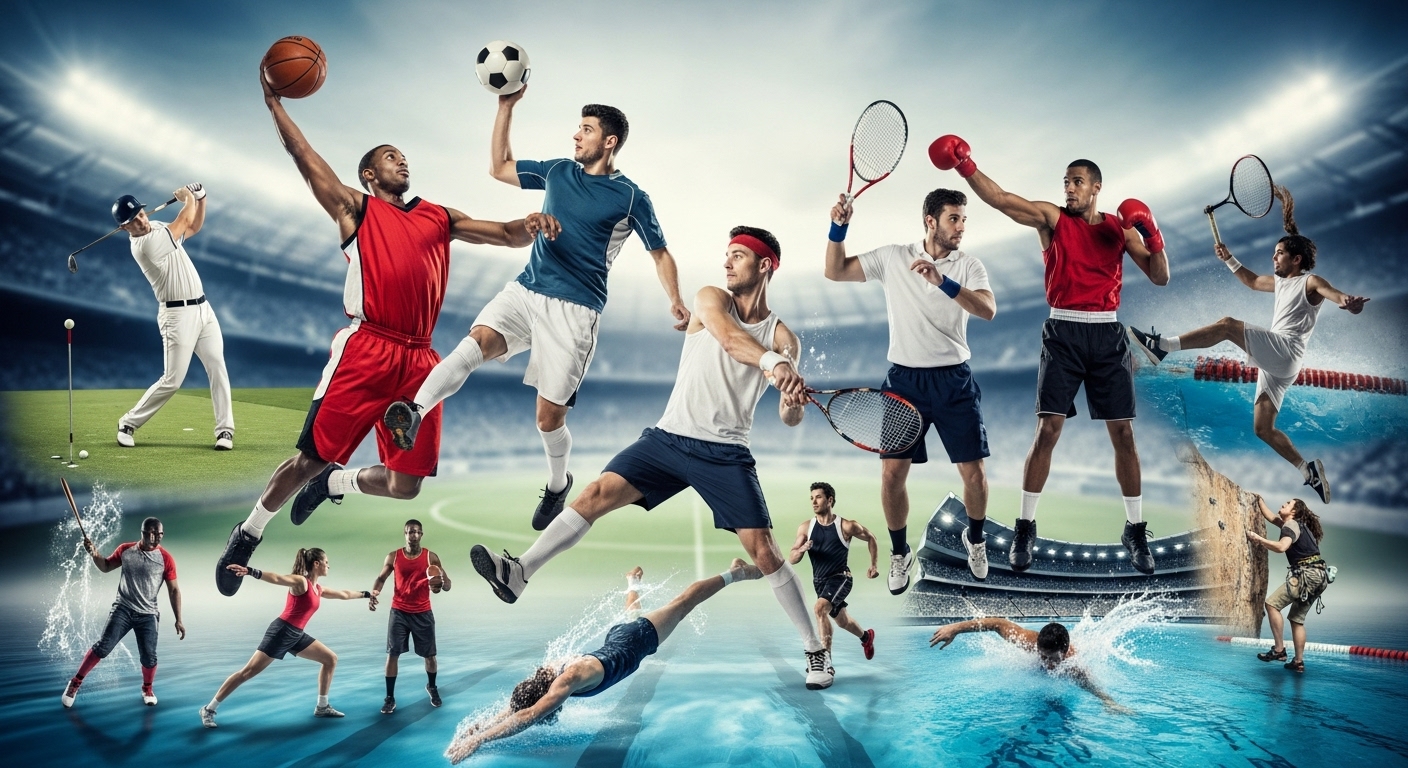
Sports have been an integral part of human culture for thousands of years. From ancient Olympic games to modern professional leagues, sports transcend language, geography, and social barriers, uniting people through shared passion and competition. Beyond entertainment, sports cultivate discipline, teamwork, resilience, and leadership. Whether played professionally or recreationally, sports serve as a mirror of society, reflecting values, aspirations, and human potential. This blog explores how sports impact individuals, communities, and the world at large, shaping lives both on and off the field.
The History of Sports
Sports have a rich and varied history. Ancient civilizations engaged in physical contests as a means of honoring deities, preparing for war, or celebrating community. The Olympic Games of ancient Greece were among the earliest organized competitions, emphasizing physical prowess and fair play. Over centuries, sports evolved with the development of equipment, standardized rules, and formal organizations. Football, basketball, cricket, and tennis became global phenomena, while regional games like kabaddi, sumo wrestling, and cricket have maintained cultural significance. Understanding the history of sports highlights how human creativity, competition, and social interaction have always been intertwined with athletic pursuits.
Physical Benefits of Sports
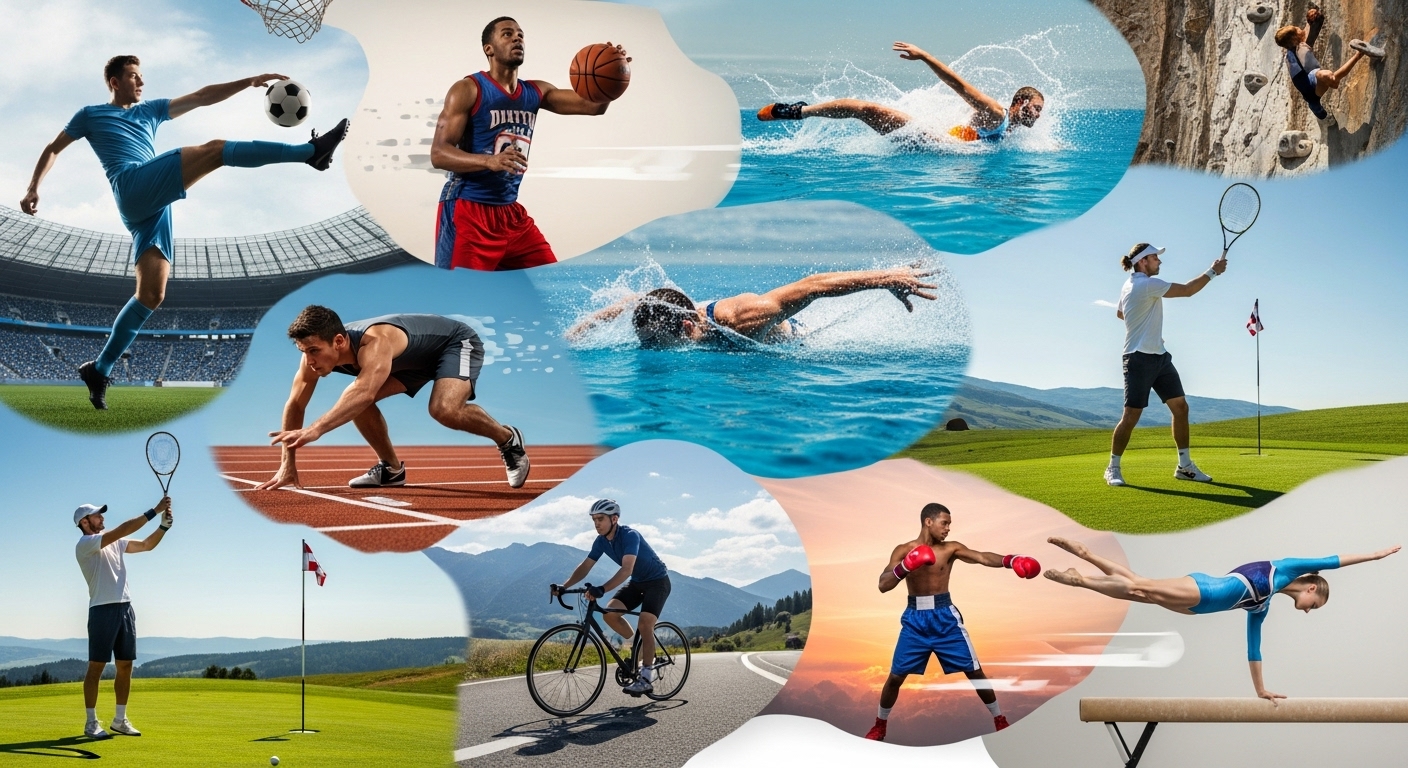
Participation in sports provides significant physical health benefits. Regular activity improves cardiovascular health, strengthens muscles, enhances flexibility, and supports weight management. Sports also help in developing coordination, balance, and agility. Engaging in physical activity from a young age promotes lifelong habits that reduce the risk of chronic illnesses. For professional athletes, rigorous training ensures peak physical performance and injury prevention. Even casual participation in sports such as running, swimming, or cycling contributes to overall well-being, proving that the benefits extend beyond elite competition.
Mental and Emotional Advantages
Sports impact mental health as much as physical fitness. Participation helps reduce stress, anxiety, and depression by releasing endorphins, improving mood, and boosting self-esteem. Team sports encourage social interaction, which fosters emotional support and a sense of belonging. Sports also develop resilience by teaching players how to handle failure, setbacks, and pressure. Mental strength gained through competition is transferable to other areas of life, including academics, work, and personal relationships. The lessons of patience, focus, and emotional regulation learned on the field have far-reaching effects.
Sports as a Teacher of Life Skills
Sports are more than physical activity; they are powerful tools for developing life skills. Teamwork, leadership, communication, strategic thinking, and time management are all honed through participation in organized sports. Athletes learn how to set goals, make decisions under pressure, and maintain discipline. These skills are invaluable beyond sports, influencing career success and personal growth. For young players, sports offer a structured environment to develop character and responsibility, preparing them for challenges in life.
Professional Sports and Career Opportunities
Professional sports have grown into a multi-billion-dollar industry, offering opportunities for athletes, coaches, medical staff, analysts, broadcasters, and event managers. Athletes dedicate years to training, mastering their craft, and representing clubs, nations, and franchises. With sponsorships, media rights, and merchandise, professional sports provide not only entertainment but also economic growth. Careers in sports extend beyond playing, including coaching, sports medicine, journalism, marketing, and analytics, highlighting the broad impact of the industry on employment and innovation.
Women in Sports
The rise of women’s sports has transformed the athletic landscape, breaking stereotypes and inspiring new generations. Female athletes have achieved extraordinary success, demonstrating that talent and dedication are not bound by gender. Women’s sports leagues, tournaments, and events are gaining recognition, promoting equality and challenging societal norms. Female participation in sports fosters empowerment, encourages healthy lifestyles, and expands career opportunities. The achievements of women in sports continue to motivate individuals worldwide, proving that athletic excellence knows no boundaries.
Sports and Cultural Identity
Sports often play a critical role in shaping cultural identity. National teams, local clubs, and traditional games reflect heritage, pride, and community values. Events such as the FIFA World Cup, the Olympics, and regional championships unite diverse populations under a shared banner of passion and support. Sports foster social cohesion by bringing together people from different backgrounds, promoting mutual respect and understanding. Cultural rituals, chants, and celebrations associated with sports enhance the experience, creating a sense of belonging that extends beyond competition.
The Role of Sports in Education
Incorporating sports into education offers multiple benefits. School and college sports programs encourage physical activity, teamwork, discipline, and academic motivation. Participation in sports helps students develop time management, problem-solving, and leadership skills. Scholarships and competitive programs provide pathways for talented athletes to pursue higher education while developing their athletic abilities. Sports in education also promote inclusivity, allowing students from diverse backgrounds to collaborate, compete, and excel together.
Sportsmanship and Ethics
Sportsmanship is a cornerstone of ethical behavior in athletics. Respect for opponents, adherence to rules, and graciousness in victory or defeat reflect the moral lessons inherent in sports. Fair play encourages integrity, honesty, and accountability, setting standards for behavior both on and off the field. Teaching sportsmanship from an early age fosters responsible citizenship and ethical decision-making in broader societal contexts. Athletes who embody these values become role models, inspiring others to pursue excellence with honor.
Technology and Innovation in Sports
Technology has transformed sports, enhancing training, performance, and spectator experience. Advanced analytics help athletes optimize strategies, monitor health, and prevent injuries. Wearable devices track performance metrics, providing insights into physical and mental conditioning. Broadcasting innovations, including live streaming, virtual reality, and augmented reality, have brought fans closer to the action, making sports more interactive and engaging. Technology continues to shape how sports are played, analyzed, and enjoyed worldwide, bridging the gap between athletes and audiences.
Sports and Social Impact
Sports can be a powerful agent of social change. Community programs, charitable initiatives, and outreach activities leverage the popularity of sports to address social issues. Campaigns promoting health, education, gender equality, and inclusion often use sports as a platform to raise awareness and mobilize support. Major sporting events drive economic development, tourism, and urban infrastructure improvements, benefiting societies at large. By connecting people and addressing societal challenges, sports demonstrate their potential beyond entertainment.
Challenges Facing Modern Sports
Despite its many benefits, sports face challenges that must be addressed. Issues such as doping, corruption, commercialization, and inequality threaten the integrity of competition. Pressure on young athletes, overtraining, and mental health concerns require proactive management. Additionally, accessibility barriers prevent some communities from fully participating in sports. Addressing these challenges requires collaboration among governing bodies, educational institutions, and communities to ensure that sports remain safe, fair, and inclusive.
The Global Appeal of Sports
Sports have a unique ability to transcend borders and cultures. International tournaments create global spectacles, uniting fans from different countries and backgrounds. Shared passion for a sport fosters understanding, friendship, and cultural exchange. Sports also serve as a universal language, allowing people to connect regardless of linguistic or social differences. From local playgrounds to international arenas, sports demonstrate that competition, teamwork, and dedication are universally valued principles.
The Future of Sports
The future of sports is likely to be shaped by innovation, inclusivity, and sustainability. Emerging trends in digital engagement, esports integration, and smart technology will redefine how people participate in and consume sports. Greater emphasis on mental health, diversity, and ethical conduct will create safer and more equitable environments. Sports will continue to inspire, entertain, and educate, while adapting to the evolving needs of society. The legacy of sports lies not only in records and trophies but also in the positive impact they have on individuals and communities.
Conclusion: More Than a Game
Sports are more than a game; they are a reflection of human potential, values, and community spirit. Through physical activity, competition, and collaboration, sports foster health, resilience, and personal growth. They unite cultures, inspire generations, and provide opportunities for professional achievement and social change. From ancient traditions to modern professional leagues, sports continue to shape lives and society. The essence of sports lies in its ability to challenge, connect, and inspire, proving that the impact of athletics reaches far beyond the field, court, or track