





Introduction: More Than Just a Game
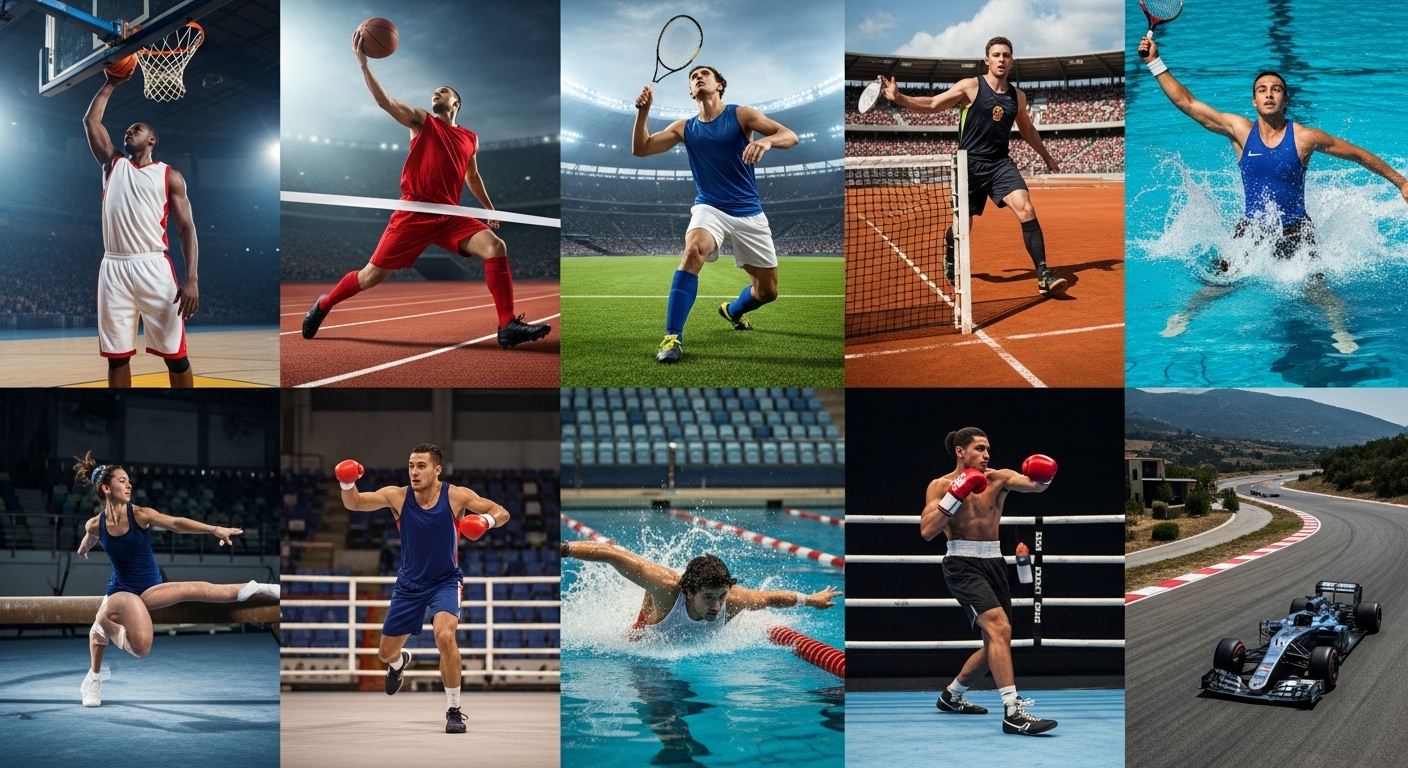
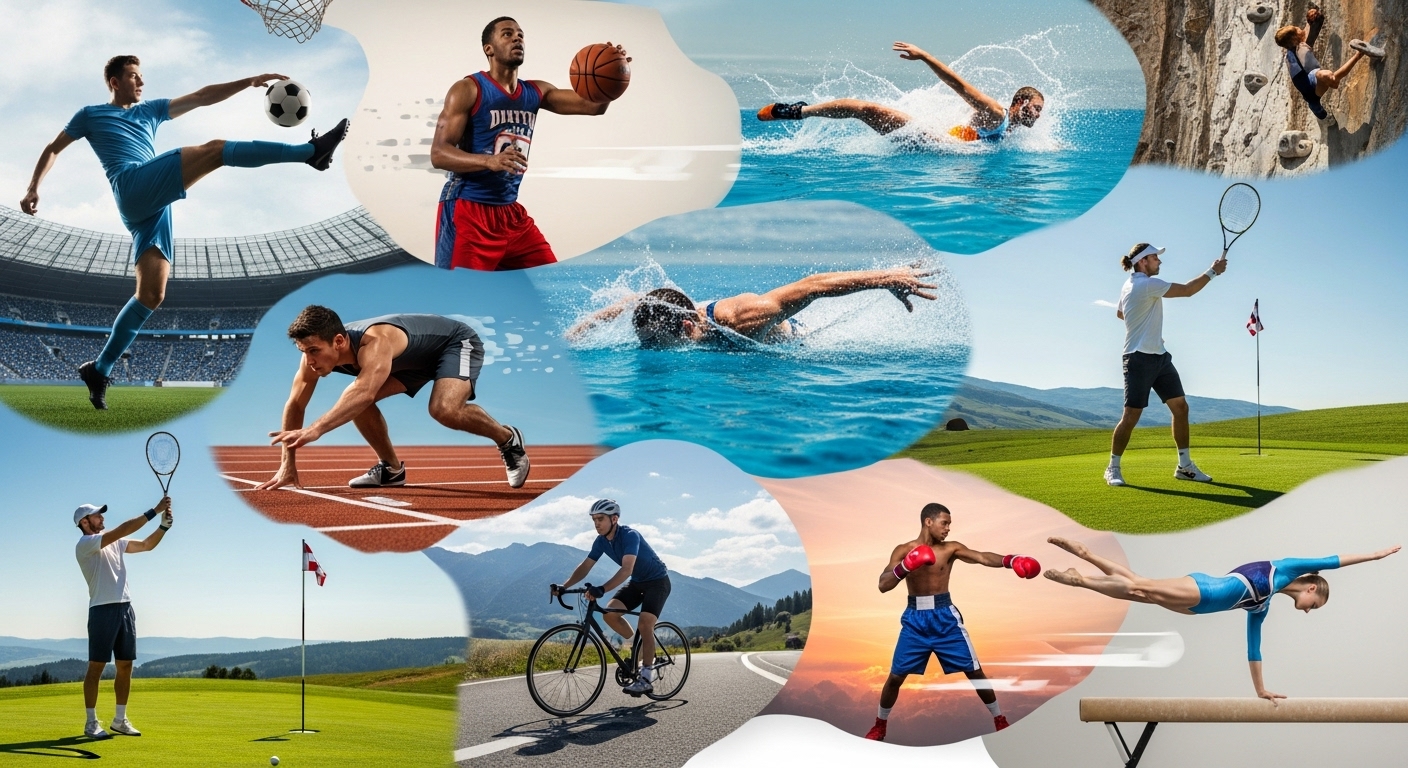
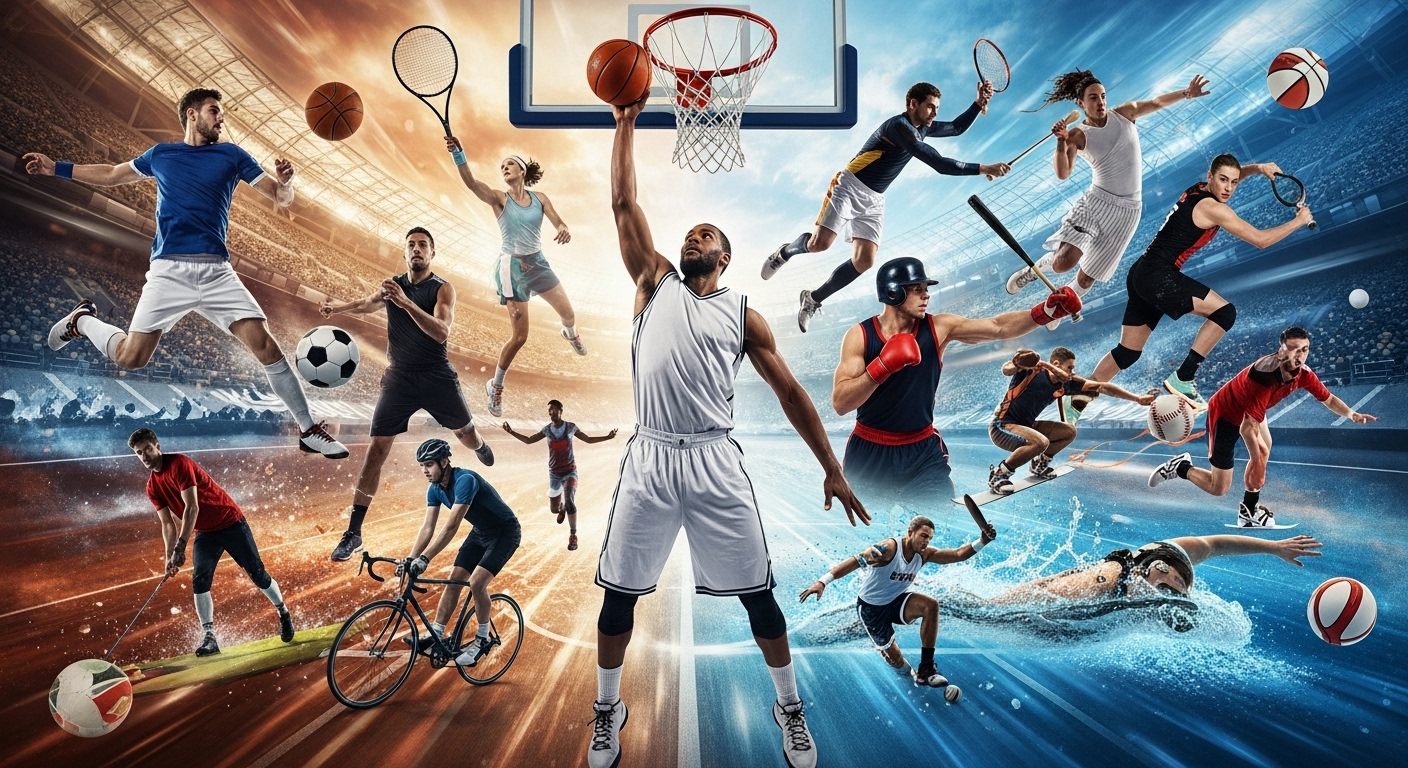
Sports have always been a central part of human civilization. From ancient Olympic competitions to modern global tournaments watched by billions, sports go far beyond physical activity or entertainment. They reflect our values, test our limits, and bring people together across cultures, languages, and borders. While fans often focus on scores, trophies, and statistics, the deeper impact of sports lies in how they shape character, influence society, and inspire generations. This blog explores sports not just as competition, but as a powerful force that molds individuals and communities worldwide.
The Historical Roots of Sports and Competition
The history of sports dates back thousands of years. Early civilizations such as the Greeks, Romans, Chinese, and Egyptians developed structured athletic contests as a way to honor gods, train warriors, and entertain the public. These competitions emphasized discipline, honor, and physical excellence. Ancient athletes trained with dedication and were celebrated as heroes, setting the foundation for modern sports culture. Over time, sports evolved alongside societies, reflecting political systems, social hierarchies, and cultural values.
Sports as a Universal Language
One of the most remarkable aspects of sports is its ability to transcend differences. Regardless of nationality, religion, or social background, people understand the emotions of victory and defeat. A goal scored in football, a last-second basket in basketball, or a record-breaking sprint creates shared excitement. Stadiums become places where strangers cheer together, united by a common passion. This universal language of sports fosters global connection in a world often divided by conflict and misunderstanding.
Physical Health and Athletic Discipline
At its core, sports promote physical fitness and healthy living. Regular participation improves cardiovascular health, muscle strength, flexibility, and endurance. Beyond physical benefits, sports instill discipline and routine. Athletes must commit to training schedules, balanced nutrition, and rest. This discipline often extends beyond the field, helping individuals manage time, set goals, and maintain focus in everyday life. Even at amateur levels, sports encourage an active lifestyle that combats sedentary habits and long-term health issues.
Mental Strength and Emotional Resilience
Sports are as much a mental challenge as a physical one. Athletes face pressure, expectations, and moments of failure. Learning to cope with loss, mistakes, and criticism builds emotional resilience. A missed shot or lost match becomes a lesson rather than a defeat. Mental toughness developed through sports helps individuals handle stress, remain calm under pressure, and bounce back from setbacks. These psychological skills are valuable not only in athletics but also in careers, education, and personal relationships.
Teamwork and Leadership Development
Team sports provide a unique environment for learning cooperation and leadership. Players must communicate effectively, trust teammates, and work toward a shared goal. Individual talent alone is rarely enough to succeed without teamwork. Through sports, individuals learn when to lead and when to support others. Captains and experienced players develop leadership qualities such as responsibility, motivation, and strategic thinking. These skills translate directly into professional and social settings later in life.
Sportsmanship and Ethical Values
True sportsmanship is one of the most important lessons sports teach. Respect for opponents, officials, and rules builds integrity and fairness. Winning with humility and losing with grace are values that shape character. While modern sports sometimes face challenges like cheating or unsportsmanlike behavior, moments of honesty and respect continue to inspire fans worldwide. Athletes who display ethical conduct often become role models, influencing young players to value character over victory.
The Economic Impact of Sports
Sports have grown into a major global industry. Professional leagues, tournaments, merchandise, broadcasting, and sponsorships generate billions in revenue. Cities benefit from hosting major sporting events through tourism, infrastructure development, and job creation. At the same time, grassroots sports programs support local economies and provide opportunities for youth employment and community engagement. The economic influence of sports highlights its importance beyond entertainment, affecting livelihoods and national development.
Technology and the Evolution of Modern Sports
Advancements in technology have transformed how sports are played, analyzed, and consumed. High-performance equipment improves safety and performance. Data analytics helps coaches design strategies and monitor athlete health. Fans enjoy immersive experiences through high-definition broadcasts and instant replays. While technology enhances fairness and precision, it also raises debates about maintaining the human element of sports. Balancing innovation with tradition remains an ongoing challenge in the sporting world.
Gender Equality and Inclusion in Sports
Sports have played a significant role in advancing gender equality. Female athletes continue to break barriers, challenge stereotypes, and demand equal recognition. Increased visibility of women’s sports inspires young girls to pursue athletics with confidence. Similarly, sports promote inclusion by providing platforms for athletes with disabilities and marginalized communities. These efforts reinforce the idea that sports belong to everyone, regardless of gender, ability, or background.
Youth Development and Education Through Sports
For young people, sports offer valuable life lessons beyond the classroom. Participation teaches responsibility, discipline, and respect for authority. Student-athletes often develop better time management skills by balancing academics and training. Sports programs also provide safe environments for youth, reducing negative behaviors and encouraging positive social interaction. Coaches become mentors, guiding young athletes not only in performance but also in personal growth and decision-making.
The Emotional Bond Between Fans and Teams
Sports fandom is deeply emotional. Fans form strong attachments to teams, athletes, and traditions passed down through generations. Victories bring joy and pride, while defeats test loyalty. This emotional investment creates a sense of belonging and identity. Supporting a team becomes part of personal and cultural expression, strengthening social bonds within families and communities.
Challenges Facing Modern Sports
Despite its many benefits, sports face significant challenges. Issues such as corruption, doping, commercialization, and athlete burnout threaten integrity. The pressure to perform at elite levels can impact mental health. Addressing these problems requires strong governance, ethical leadership, and support systems for athletes. Preserving the spirit of fair competition is essential for the future credibility of sports.
The Future of Sports in a Changing World
As society evolves, sports will continue to adapt. Sustainability, mental health awareness, and social responsibility are becoming central topics. Athletes increasingly use their platforms to advocate for social causes, influencing public discourse. Digital innovation will reshape fan engagement and training methods. Despite these changes, the core values of sports remain constant: competition, passion, and human connection.
Conclusion: Why Sports Will Always Matter
Sports are more than games played on fields and courts. They are reflections of who we are and who we aspire to be. Through discipline, teamwork, resilience, and respect, sports teach lessons that last a lifetime. They unite nations, inspire dreams, and remind us of our shared humanity. Long after the final whistle blows and records are broken, the true legacy of sports lives on in the hearts, minds, and character of those who play and watch them.