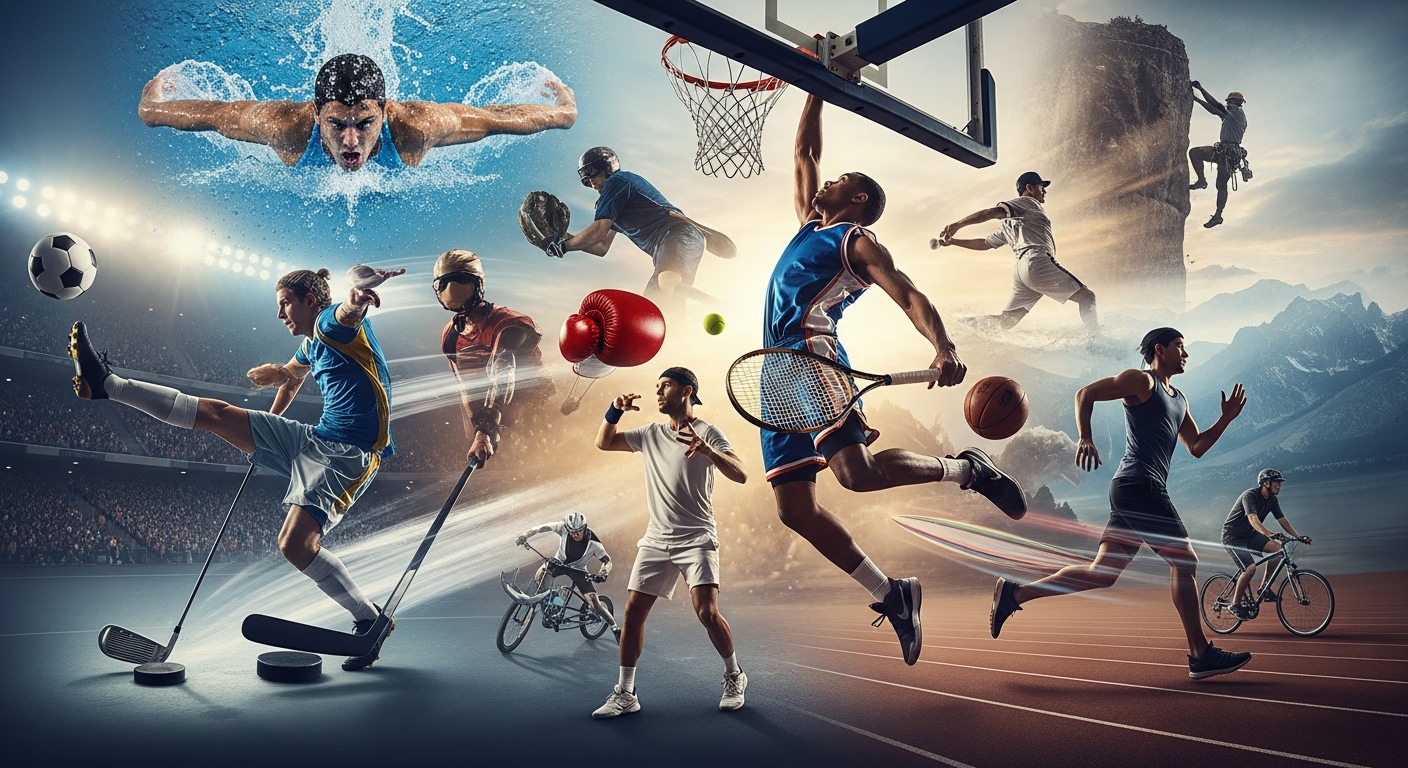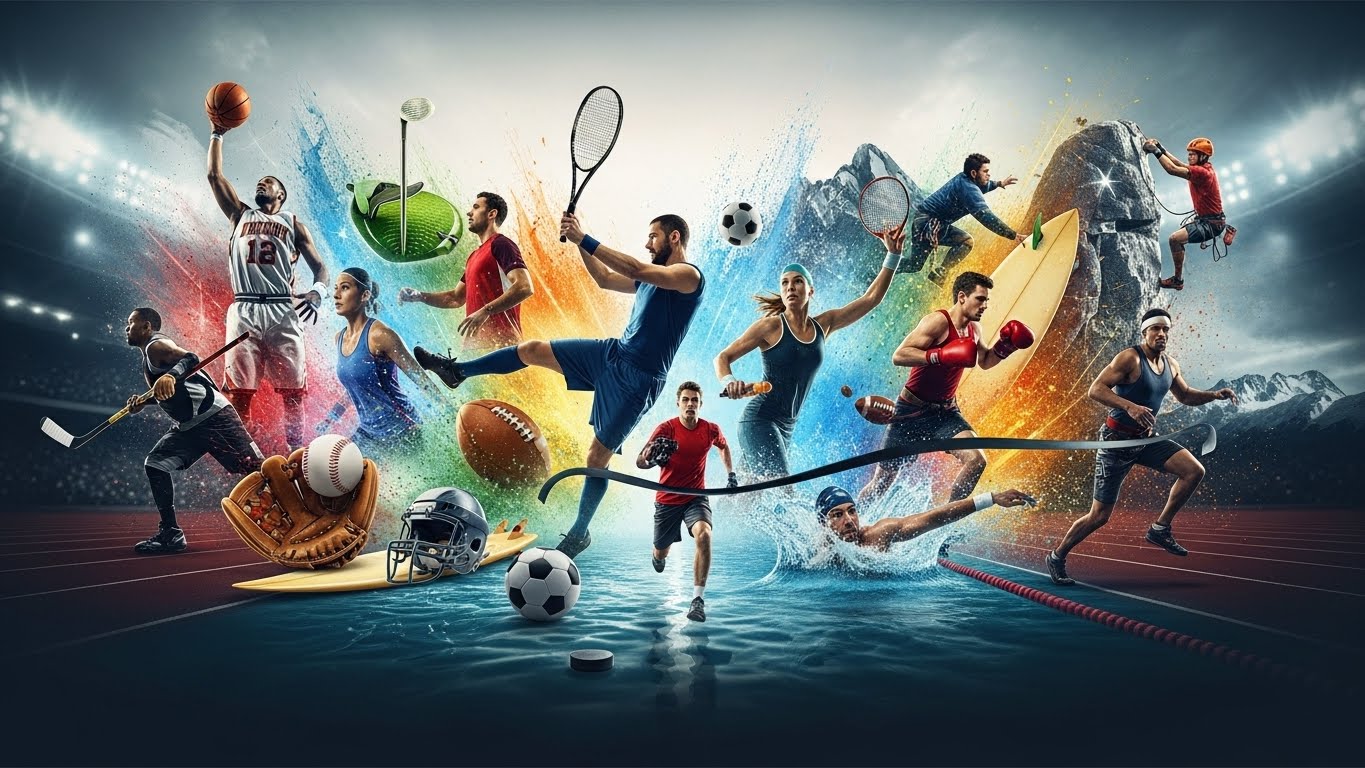





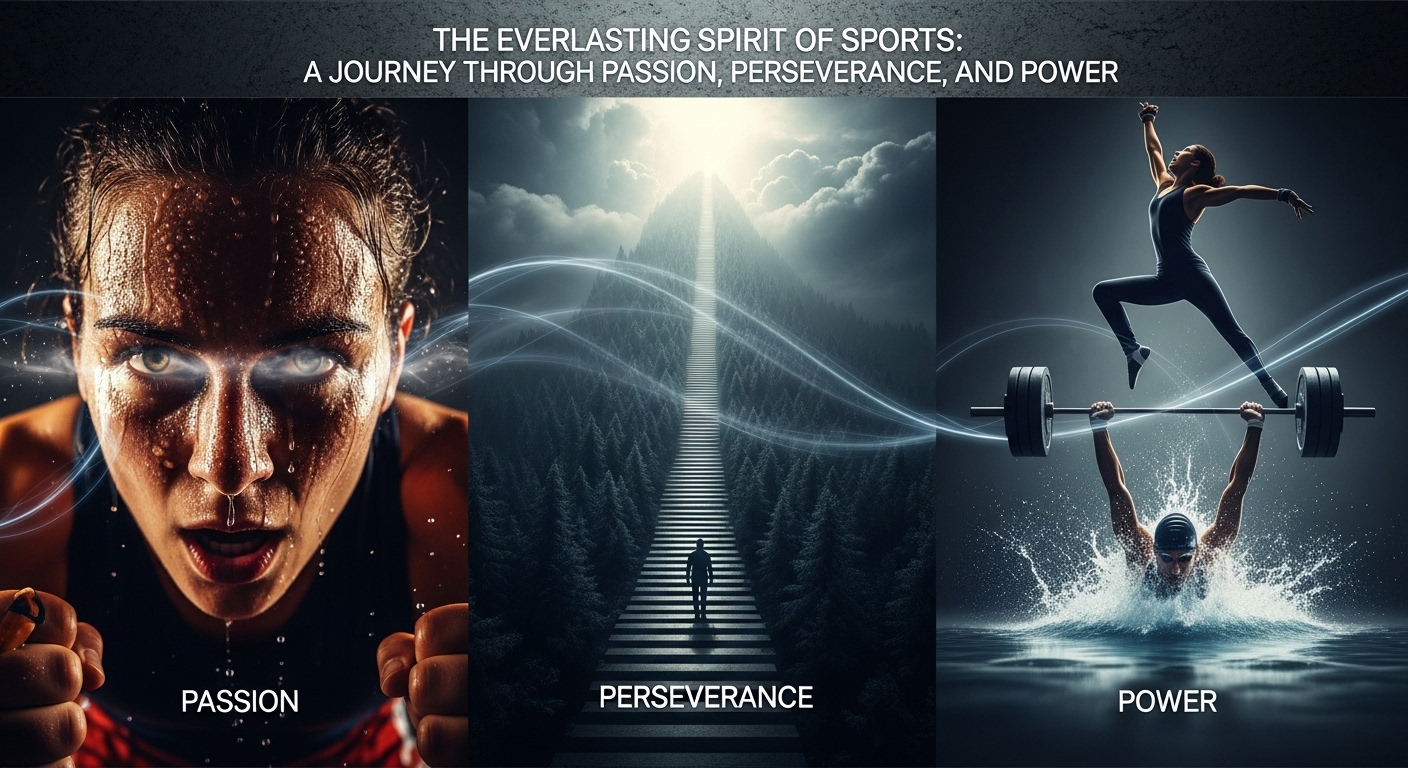
Sports have been an integral part of human culture for centuries, transcending borders, languages, and generations. They are not just games played for entertainment or competition; they are expressions of human skill, determination, and spirit. From the ancient Olympic Games of Greece to modern-day international championships, sports continue to play a significant role in shaping societies and individual lives alike.
The Historical Significance of Sports
Sports have existed in some form since the earliest civilizations. Archaeological evidence points to wrestling, running, and ball games being played thousands of years ago in Egypt, Mesopotamia, and China. In ancient Greece, sports were closely tied to religious ceremonies and civic pride, culminating in the establishment of the Olympic Games in 776 BCE. These early competitions were a celebration of physical excellence and human endurance, values that are still revered in sports today.
The Romans, too, embraced sports, albeit in a more gladiatorial fashion. Chariot races and arena battles became spectacles for the masses, reflecting not only entertainment but also political propaganda. These historical foundations laid the groundwork for the organized sports we recognize today, emphasizing discipline, training, and public admiration.
The Psychological Impact of Sports
Engaging in sports has a profound impact on mental health and cognitive development. Regular participation in physical activities is known to reduce stress, anxiety, and depression. The release of endorphins during exercise creates a sense of happiness and mental clarity, often referred to as the “runner’s high.” Beyond physiological effects, sports teach essential life skills such as perseverance, time management, and strategic thinking.
For young athletes, sports serve as a training ground for resilience. Facing wins and losses, handling pressure, and overcoming setbacks cultivate a mindset that extends far beyond the playing field. Even for spectators, following a favorite team or athlete can foster a sense of community, belonging, and emotional engagement that strengthens social bonds.
The Evolution of Modern Sports
Over the past century, sports have undergone dramatic transformations. The establishment of professional leagues, global tournaments, and televised broadcasts has elevated sports into a billion-dollar industry. Sports like football, cricket, basketball, and tennis now enjoy worldwide popularity, attracting massive audiences and inspiring new generations of athletes.
Technological advancements have also revolutionized training methods and performance analysis. Wearable devices, performance-tracking software, and biomechanical assessments allow athletes to optimize their skills and reduce the risk of injury. Video replay technology ensures fairness in competition, while advanced equipment has enhanced the safety and performance of participants across all sports.
Iconic Sports and Their Global Appeal
Football: The Universal Game
Football, known as soccer in some regions, is the most popular sport globally, capturing the hearts of billions. Its simplicity—a ball and an open field—makes it accessible to all, while its competitive nature fuels intense passion. Legendary players like Pelé, Diego Maradona, Lionel Messi, and Cristiano Ronaldo have become household names, transcending the sport to become cultural icons. Football’s global tournaments, such as the FIFA World Cup, unite nations in shared excitement, highlighting the sport’s power to bridge cultures.
Cricket: The Gentleman’s Game
Cricket holds a special place in the hearts of nations such as India, Pakistan, Australia, and England. The sport’s unique combination of strategy, endurance, and skill has produced iconic moments in history. Test matches test patience and technique over five days, while limited-overs formats like One-Day Internationals and T20s deliver fast-paced excitement. Cricket inspires national pride and often becomes a unifying force during major tournaments.
Basketball: Athleticism and Spectacle
Basketball is renowned for its fast pace and high-scoring games. From local playgrounds to the professional stage of the NBA, the sport emphasizes athleticism, teamwork, and precision. Players like Michael Jordan, LeBron James, and Kobe Bryant have redefined excellence, influencing not only the game but also fashion, media, and global culture. Basketball’s adaptability allows it to flourish in both indoor and outdoor environments, further expanding its reach.
Tennis: Elegance and Endurance
Tennis is a sport of finesse, endurance, and mental fortitude. Iconic matches, such as the legendary battles between Roger Federer and Rafael Nadal, showcase the intense psychological and physical demands of the game. Tennis tournaments like Wimbledon, the US Open, and the French Open attract global attention, celebrating individual brilliance and the thrill of competition. The sport’s emphasis on individual skill also teaches valuable lessons in self-discipline and focus.
The Role of Women in Sports
Women’s participation in sports has grown remarkably over the past century, challenging societal norms and breaking barriers. From trailblazers like Billie Jean King and Serena Williams in tennis to pioneers in football, cricket, and athletics, women athletes have proven that excellence knows no gender. Major events such as the FIFA Women’s World Cup and the Women’s Olympic Games showcase incredible talent and inspire young girls worldwide to pursue their dreams.
The fight for equal recognition and compensation remains ongoing, but progress is undeniable. Sponsorships, media coverage, and grassroots programs continue to empower women, ensuring that sports become a platform for inclusivity and equality.
Sports as a Tool for Social Change
Sports are more than games; they are catalysts for social transformation. Athletes often use their platforms to advocate for social justice, equality, and humanitarian causes. From Muhammad Ali’s outspoken stance against racial discrimination to Colin Kaepernick’s protest for social justice, sports have become a medium for raising awareness and driving change.
At the grassroots level, community sports programs promote education, health, and social cohesion. Initiatives that encourage youth participation in sports help address issues such as childhood obesity, delinquency, and social inequality. By bringing people together, sports foster understanding, cooperation, and mutual respect across diverse communities.
The Science of Sports Performance
Sports performance relies on a delicate balance of physical conditioning, nutrition, and mental preparation. Athletes undergo rigorous training routines to enhance strength, speed, agility, and endurance. Nutrition plays a critical role, with diets tailored to fuel performance, recovery, and overall health. Psychological preparation, including visualization, focus techniques, and stress management, often distinguishes elite athletes from their peers.
Biomechanics and sports science have advanced performance analysis significantly. Motion capture, force sensors, and physiological monitoring provide precise feedback, allowing athletes to refine technique, prevent injuries, and optimize results. The integration of science and technology continues to push the boundaries of human capability in sports.
The Cultural Impact of Sports
Sports reflect cultural values and identity. National pride, regional rivalries, and historic traditions often converge on the playing field. Iconic moments in sports history—whether it’s Jesse Owens winning four gold medals at the 1936 Berlin Olympics or India’s victory in the 1983 Cricket World Cup—resonate deeply, shaping collective memory and national identity.
Sports also influence art, media, and entertainment. Films, documentaries, and literature celebrate athletic heroism, struggles, and triumphs. Music, fashion, and popular culture frequently draw inspiration from sports, highlighting its pervasive influence in society.
Challenges Facing Modern Sports
Despite its many benefits, modern sports face several challenges. Commercialization and the pursuit of profit sometimes overshadow the spirit of fair competition. Doping scandals, match-fixing, and corruption threaten the integrity of sports. Additionally, the intense pressure on athletes to perform can lead to mental health struggles, burnout, and physical injuries.
Globalization and technological advancement present both opportunities and challenges. While they increase access and exposure, they also create disparities between well-funded programs and under-resourced communities. Balancing commercial interests with ethical practices and inclusivity remains a critical task for sports organizations worldwide.
The Future of Sports
The future of sports is poised for exciting developments. Advances in technology, such as virtual reality, augmented reality, and artificial intelligence, promise to enhance training, fan engagement, and broadcasting experiences. Esports has emerged as a major phenomenon, blending traditional sports concepts with digital competition and appealing to a younger, tech-savvy audience.
Sustainability is also becoming a focus, with stadiums, events, and leagues adopting environmentally friendly practices. Inclusivity initiatives continue to grow, ensuring that sports remain accessible to all, regardless of gender, age, or physical ability.
Moreover, the essence of sports—the thrill of competition, the celebration of skill, and the joy of participation—will continue to inspire future generations. As long as humans seek challenge, camaraderie, and personal growth, sports will remain an indispensable part of our lives.
Conclusion: Sports as a Reflection of Humanity
Sports are more than physical activity; they are a mirror reflecting the best of human endeavor. They teach resilience, foster community, and inspire greatness. Whether it is the roar of a stadium crowd, the quiet focus of an athlete, or the unifying joy of a shared victory, sports touch lives in profound ways. They are a universal language, transcending borders and bringing people together in the pursuit of excellence, passion, and human connection.
From ancient rituals to modern spectacles, from local fields to global arenas, sports endure as a testament to the human spirit. They remind us that despite our differences, we share a common love for challenge, achievement, and the beauty of movement. In every game played and every match won, sports celebrate the timeless qualities that make us human: courage, determination, teamwork, and the unyielding desire to strive for greatness.