





Introduction: Sports as More Than a Game
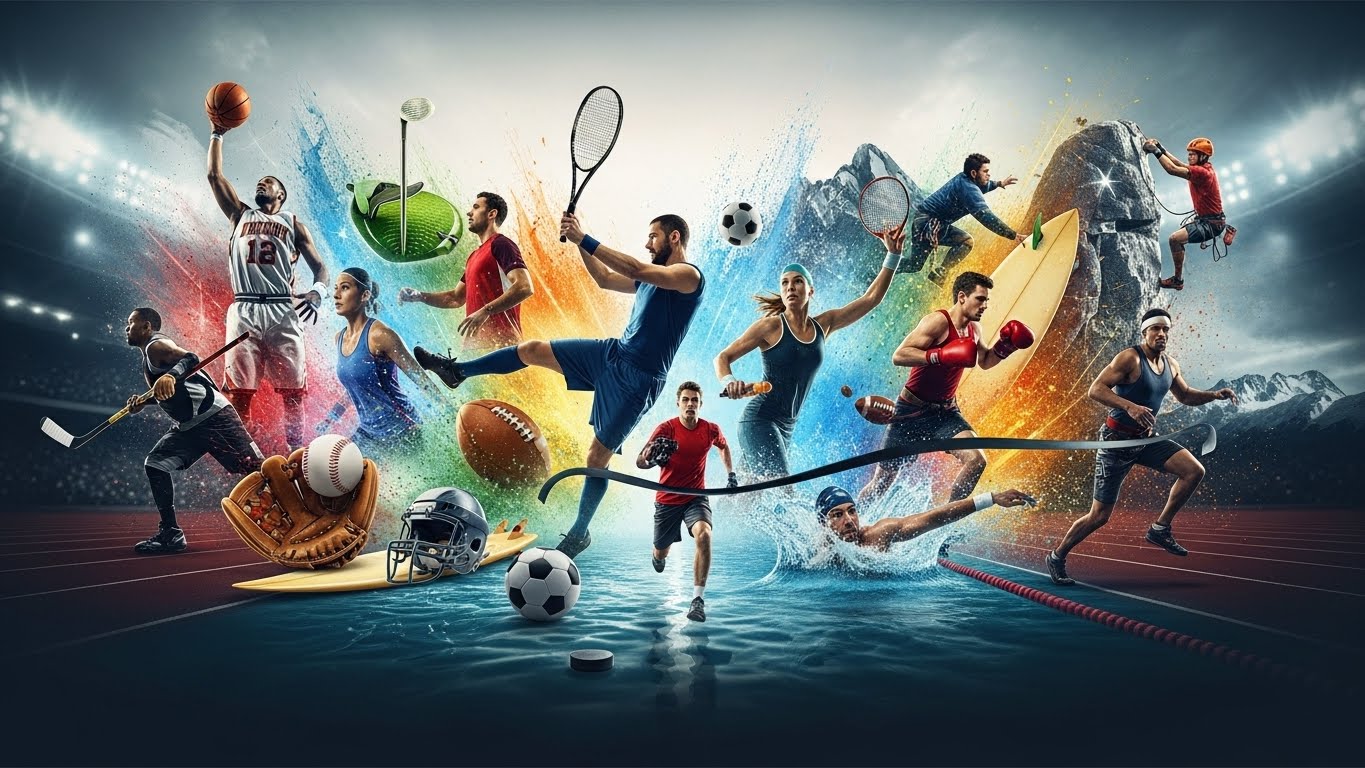
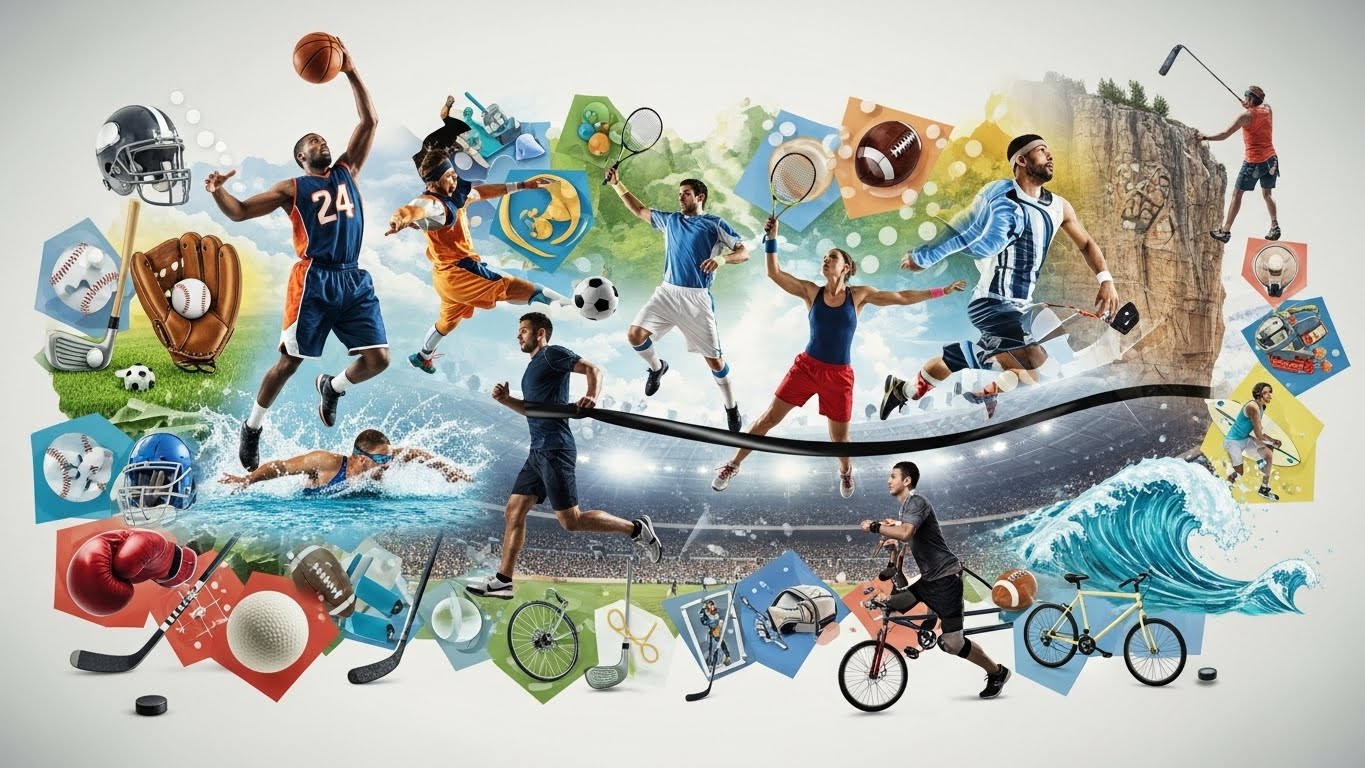
Sports have always been a central part of human culture, transcending borders, languages, and generations. At first glance, they may seem like mere competition, entertainment, or physical exercise. Yet, the influence of sports stretches far beyond the playing field. Sports inspire communities, shape social values, and even drive technological and medical innovation. This blog explores how sports impact society, the human body, and the way we connect with each other, while examining the trends shaping the future of athletics.
The Physical Power of Sports
The most obvious impact of sports is on physical health. Regular participation in sports builds strength, flexibility, and endurance. Athletes often serve as the ultimate example of human potential, pushing the boundaries of what the body can achieve.
Sports also help combat lifestyle diseases. In an era of sedentary habits and screen-based entertainment, engaging in physical activity reduces the risk of obesity, heart disease, and diabetes. Moreover, sports improve motor skills, coordination, and reflexes. Beyond physical health, the discipline of regular training cultivates consistency, resilience, and patience—traits that carry over into other areas of life.
Mental Benefits of Athletic Pursuits
While the physical benefits of sports are well-documented, the mental advantages are equally compelling. Exercise and competitive sports release endorphins, which improve mood and reduce stress. Athletes develop mental toughness, learning how to cope with failure, pressure, and high-stakes situations.
Team sports, in particular, cultivate social and emotional intelligence. Players learn to communicate effectively, resolve conflicts, and support teammates. Individual sports, on the other hand, foster self-discipline, focus, and a growth mindset. These skills are transferable, helping people succeed academically, professionally, and personally.
The Role of Technology in Modern Sports
Technology has transformed sports in ways unimaginable a few decades ago. Performance analysis tools, wearable devices, and real-time data tracking allow athletes to train more efficiently and safely. From motion sensors to heart rate monitors, these innovations provide insights that were previously available only through trial and error.
Video replay technology has also changed how games are officiated. Instant replay systems in football, tennis, and cricket reduce human error and ensure fairer outcomes. Even fans experience sports differently thanks to high-definition broadcasts, virtual reality experiences, and interactive apps. Technology does not replace the thrill of the game—it enhances understanding, fairness, and enjoyment.
Sports as a Cultural Unifier
Sports possess a unique ability to bring people together. Global events like the Olympics, the World Cup, and regional championships transcend national and cultural boundaries. Fans gather in stadiums and living rooms alike, united by a shared passion.
This unifying power goes beyond entertainment. Sports have historically served as platforms for social movements, from advocating racial equality to promoting gender inclusion. Athletes often use their visibility to highlight causes, demonstrating that sports are more than competition—they are a stage for societal change.
Economic Impact of Sports
The sports industry is a significant driver of economic growth. Professional leagues, sporting events, and merchandise generate billions of dollars annually. Beyond direct revenue, sports contribute to tourism, infrastructure development, and job creation.
Local economies benefit from hosting tournaments and building stadiums, which often include community facilities accessible to residents. Furthermore, youth sports programs cultivate talent that can become professional athletes, coaches, or sports scientists, creating career pathways in the industry. Sports are therefore not just a pastime; they are an engine for economic development.
Women in Sports: Breaking Barriers
Historically, sports were dominated by men, but female athletes are now challenging stereotypes and redefining the landscape. From professional leagues to international competitions, women’s sports are gaining visibility and respect.
Female athletes inspire younger generations, showing that skill, determination, and dedication are not gender-specific. Organizations are working to ensure equal pay, opportunities, and representation for women in all aspects of sports. This movement is reshaping the perception of athleticism and inclusivity on a global scale.
Youth Sports: Shaping Character and Future Leaders
Participation in sports during childhood has lifelong benefits. Beyond improving health and fitness, youth sports teach teamwork, discipline, and resilience. Coaches often become mentors, helping young athletes navigate challenges both on and off the field.
Youth sports also foster leadership. Captains, team coordinators, and players in strategic positions develop decision-making skills that can translate into professional success later in life. Sports teach children that effort, practice, and teamwork are as important as talent—lessons that remain valuable well into adulthood.
The Science of Sports Performance
Sports science combines physiology, nutrition, psychology, and biomechanics to enhance athletic performance. Athletes now rely on scientific insights to optimize training, recovery, and diet. Understanding the body’s limits and potential allows for peak performance while minimizing the risk of injury.
Nutrition is particularly critical. Athletes require tailored diets to maintain energy levels, support muscle growth, and promote recovery. Recovery itself has become a science, incorporating physiotherapy, sleep analysis, and cutting-edge treatments to maintain longevity in competitive sports.
Mental Health in Athletics
While sports offer mental benefits, high-level competition can also bring psychological challenges. Pressure to perform, public scrutiny, and injuries can lead to stress, anxiety, and depression. Recognizing mental health as a crucial aspect of sports performance is a recent but essential development.
Professional teams now employ sports psychologists to support athletes in coping with pressure and maintaining focus. The growing awareness of mental well-being ensures that athletes can pursue excellence without compromising their overall health.
Sports and Community Development
Sports programs strengthen communities by promoting engagement, cooperation, and inclusion. Local leagues, fitness programs, and public facilities provide safe spaces for children and adults to participate in physical activity.
Community sports initiatives also address social issues, such as youth delinquency and health disparities. By offering structured activities and mentorship, sports programs cultivate discipline, responsibility, and social cohesion. These effects extend far beyond the field, creating healthier, more resilient communities.
The Future of Sports: Innovation and Sustainability
The future of sports lies at the intersection of innovation and sustainability. Smart stadiums, eco-friendly equipment, and digital fan experiences are redefining how sports are played and consumed. Sustainability is becoming a key consideration, from energy-efficient arenas to ethical sourcing of sporting goods.
Artificial intelligence and data analytics will continue to shape talent scouting, strategy development, and injury prevention. At the same time, virtual and augmented reality will transform fan engagement, making sports accessible in ways never before possible.
Sports are evolving to be more inclusive, technologically advanced, and socially responsible while retaining the fundamental human thrill of competition.
Conclusion: Sports as a Catalyst for Growth
Sports are far more than games—they are a reflection of human ambition, creativity, and community. They improve physical and mental health, foster social connections, drive economic growth, and inspire cultural change. Modern sports continue to evolve through technology, science, and inclusivity, demonstrating that the impact of athletic pursuits reaches far beyond the scoreboard.
Whether as a player, fan, or advocate, engaging with sports offers a chance to witness and participate in a powerful force that shapes society. Beyond medals, trophies, and records, sports teach resilience, leadership, and unity—lessons that define the human spirit itself.