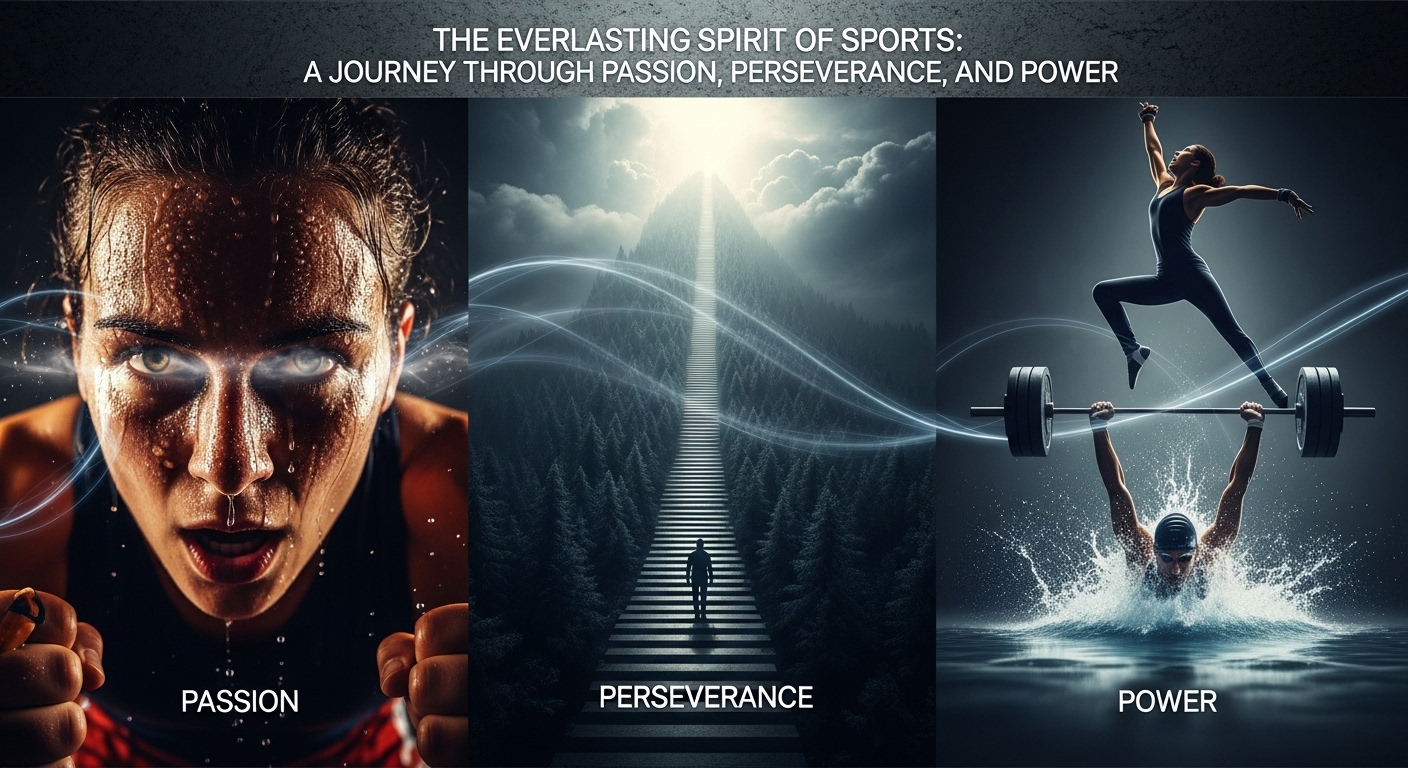






Introduction: Sports as a Universal Force
Sports have always been more than just competitions—they are a universal force that unites people, shapes cultures, and inspires individuals. From ancient games played in small communities to modern international tournaments watched by millions, sports have consistently reflected human values such as perseverance, teamwork, and dedication. They serve as a bridge between different cultures and generations, providing shared experiences and fostering a sense of belonging. This blog explores the multifaceted impact of sports, from personal growth and social development to cultural significance and global influence.
The Historical Evolution of Sports
The history of sports dates back thousands of years. Ancient civilizations, including the Greeks, Egyptians, and Romans, organized competitions that emphasized physical skill, discipline, and community engagement. The Olympic Games in Greece were not only athletic contests but also celebrations of cultural identity and civic pride. Over the centuries, sports evolved into structured competitions with standardized rules, leading to the professional leagues and international events we recognize today. This evolution reflects humanity’s enduring desire to compete, improve, and connect through physical activity.
Physical Benefits of Sports
Engaging in sports has significant physical benefits. Regular participation improves cardiovascular health, builds strength, increases flexibility, and enhances overall fitness. Sports help prevent chronic illnesses such as obesity, diabetes, and heart disease. Beyond the body, physical activity through sports strengthens coordination, balance, and reflexes. Activities ranging from running and swimming to team-based games like basketball and football provide a holistic approach to maintaining a healthy and active lifestyle.
Mental and Emotional Benefits
Sports are equally powerful for mental and emotional well-being. Participating in competitive or recreational activities reduces stress, improves mood, and fosters mental resilience. Athletes develop critical life skills such as focus, patience, goal-setting, and discipline. Facing challenges and setbacks in sports teaches individuals how to handle adversity, build confidence, and maintain a positive mindset. These mental benefits extend beyond the playing field, influencing professional success, academic achievement, and personal growth.
Sports as a Cultural Phenomenon
Sports are deeply woven into cultural identities around the world. Certain sports define national pride, traditions, and societal values. For example, cricket in India is not just a game but a shared passion that unites millions. Soccer in Brazil embodies national pride and community spirit. Similarly, basketball and American football hold cultural significance in the United States, shaping lifestyle, fashion, and media. Sporting events often reflect a country’s heritage, serving as platforms for storytelling, celebration, and collective memory.
Youth Development and Grassroots Sports
Youth participation in sports is crucial for personal development and social cohesion. Grassroots programs provide children and adolescents with opportunities to learn teamwork, develop leadership skills, and build self-confidence. Early involvement in sports also instills discipline, perseverance, and ethical behavior. Schools, clubs, and community organizations play a vital role in nurturing talent and fostering a love for physical activity. Encouraging young people to engage in sports ensures healthier lifestyles, better social integration, and the development of future athletes and leaders.
The Role of Technology in Modern Sports
Technology has transformed the way sports are played, analyzed, and experienced. Wearable devices, performance trackers, and advanced equipment help athletes optimize training and reduce the risk of injury. Video analysis and data-driven insights allow coaches to develop strategies, study opponents, and improve performance. Fans also benefit from technology through high-definition broadcasts, live streaming, and interactive experiences. By integrating science and innovation, sports have become more precise, competitive, and engaging for participants and audiences alike.
Women in Sports: Breaking Barriers
The rise of women in sports represents a significant cultural shift. Female athletes have achieved remarkable success, challenging stereotypes and inspiring new generations. Women’s leagues, international competitions, and professional sponsorships have expanded opportunities and visibility. This progress not only promotes gender equality but also encourages broader participation and social empowerment. Female athletes serve as role models, demonstrating that talent, determination, and hard work are not defined by gender.
The Psychology of Competition
Understanding the psychology of sports competition is essential for both athletes and coaches. Mental preparation, visualization techniques, and goal-setting play key roles in achieving success. Sports psychologists work with athletes to manage pressure, stay focused, and recover from setbacks. The lessons learned from competition—such as resilience, strategic thinking, and emotional control—are valuable skills that extend beyond sports into academic, professional, and personal life.
Sports and Social Change
Sports have the power to influence social change and promote inclusivity. Historically, athletes have challenged societal norms, advocated for civil rights, and addressed issues of inequality. Figures like Jackie Robinson, Muhammad Ali, and Billie Jean King used their platforms to drive progress and inspire movements. Today, sports continue to address social challenges, promote diversity, and empower marginalized communities. Athletic arenas are not just spaces for competition; they are venues where social progress can be realized.
Global Sporting Events and Unity
International sports events, such as the Olympics, World Cup, and World Championships, unite people across cultures and borders. These events celebrate human achievement, inspire national pride, and foster international cooperation. Fans worldwide engage in shared experiences, creating connections and friendships that transcend language, culture, and geography. Sporting spectacles demonstrate that despite differences, humanity shares a collective passion for competition, excellence, and celebration.
The Economics of Sports
The sports industry is a global economic powerhouse. Professional leagues, sponsorships, broadcasting rights, and merchandise generate billions of dollars annually. Sporting events stimulate tourism, infrastructure development, and local businesses. Athletes themselves become influential figures, driving marketing campaigns and brand visibility. Beyond financial gains, sports influence technology, media, and innovation, impacting multiple sectors and shaping economic landscapes.
Health Awareness Through Sports
Sports also play a crucial role in promoting health awareness. By encouraging physical activity and showcasing active lifestyles, sports motivate individuals to prioritize their well-being. Campaigns tied to sporting events often focus on fitness, mental health, and healthy living. Public participation in recreational sports helps combat obesity, improves cardiovascular health, and reduces stress. The promotion of healthy habits through sports creates long-term benefits for individuals and communities.
The Future of Sports: Innovation and Sustainability
The future of sports will be shaped by innovation and sustainability. Emerging technologies like artificial intelligence, virtual reality, and wearable performance trackers will enhance training, fan engagement, and competition strategies. Environmental sustainability is becoming increasingly important in stadium design, event management, and travel logistics. By embracing innovation and responsible practices, sports can remain relevant, exciting, and socially responsible, catering to the needs of future generations.
Conclusion: The Enduring Impact of Sports
Sports are more than games—they are a reflection of human ambition, creativity, and resilience. They provide physical and mental benefits, foster social cohesion, and influence global culture and economics. From grassroots programs to international tournaments, sports shape identities, inspire individuals, and unite communities. Their transformative power lies in their ability to teach life skills, celebrate diversity, and create shared experiences.
Final Thoughts: Embracing the Spirit of Sports
The essence of sports goes beyond competition; it lies in effort, teamwork, and the pursuit of excellence. By encouraging participation, fostering innovation, and promoting inclusivity, sports continue to impact lives positively. They teach lessons that extend far beyond the field, inspiring individuals to overcome challenges, strive for greatness, and connect with the world around them. In every goal scored, record broken, and game played, sports remind us of the strength, resilience, and unity inherent in humanity.