




Introduction: The Universal Influence of Sports
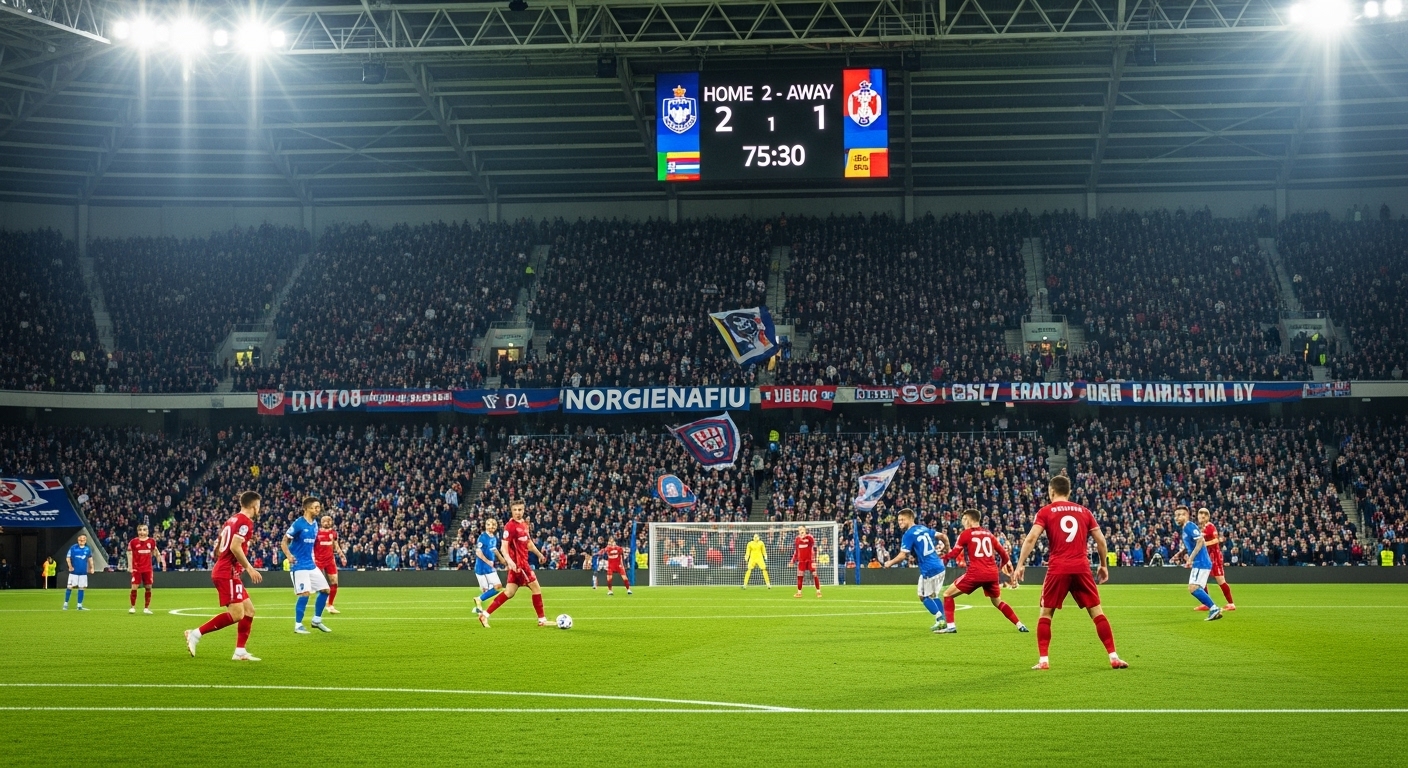
Sports are more than games; they are a universal language that transcends cultures, ages, and boundaries. From children playing in schoolyards to professional athletes competing on global stages, sports have the power to inspire, entertain, and teach life skills. They foster discipline, teamwork, and resilience while promoting physical and mental health.
Throughout history, sports have evolved from traditional, recreational activities to professional, highly competitive events that influence culture, economy, and society. Their impact reaches far beyond the playing field, shaping individuals, communities, and nations.
The Historical Roots of Sports
Sports have existed for thousands of years, reflecting societal values and human ambition. Ancient civilizations, including the Greeks, Egyptians, and Romans, organized athletic contests as part of religious and cultural traditions. The Greek Olympic Games, for example, emphasized physical excellence, honor, and unity among city-states.
In medieval Europe, tournaments and jousting provided entertainment and tested skill and bravery. Traditional games in Asia, Africa, and the Americas served educational, social, and spiritual purposes. Over time, these activities evolved into organized competitions with rules, leagues, and international recognition.
Types of Sports
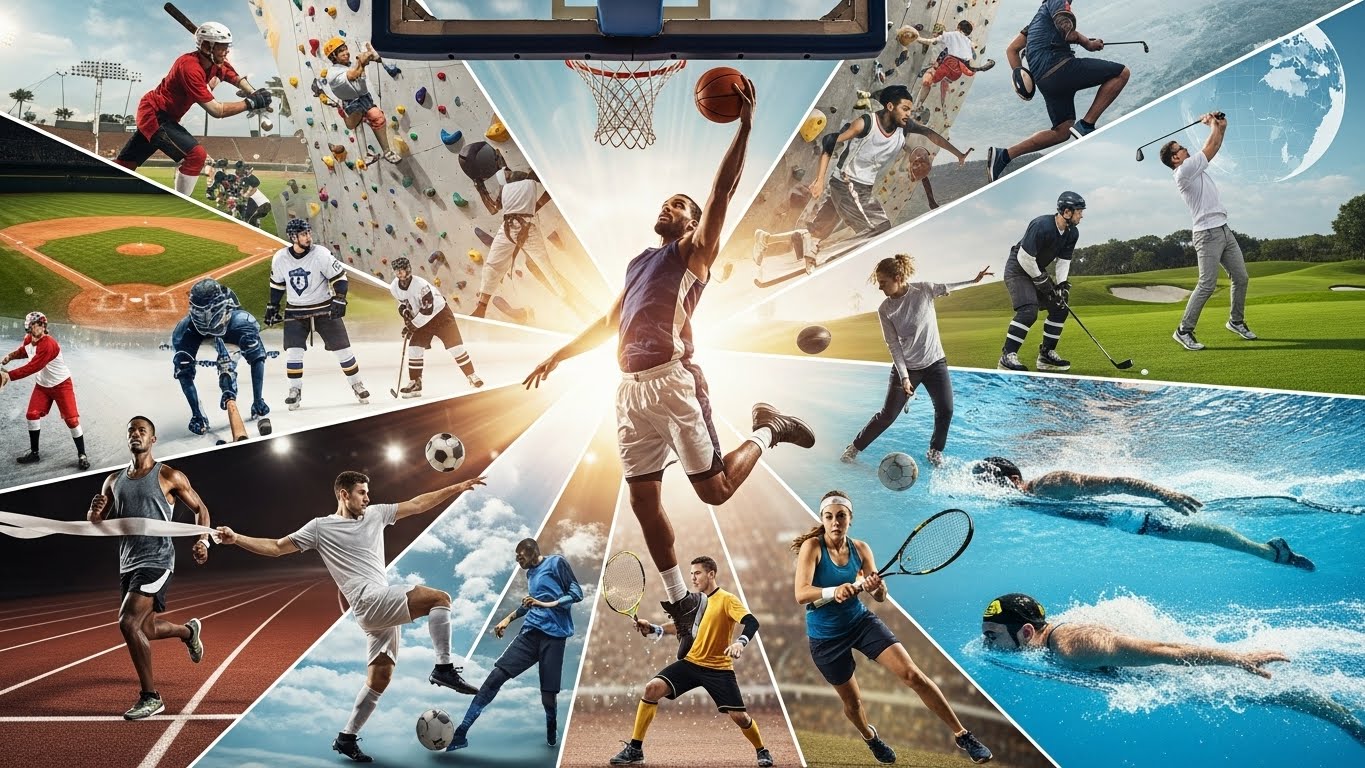
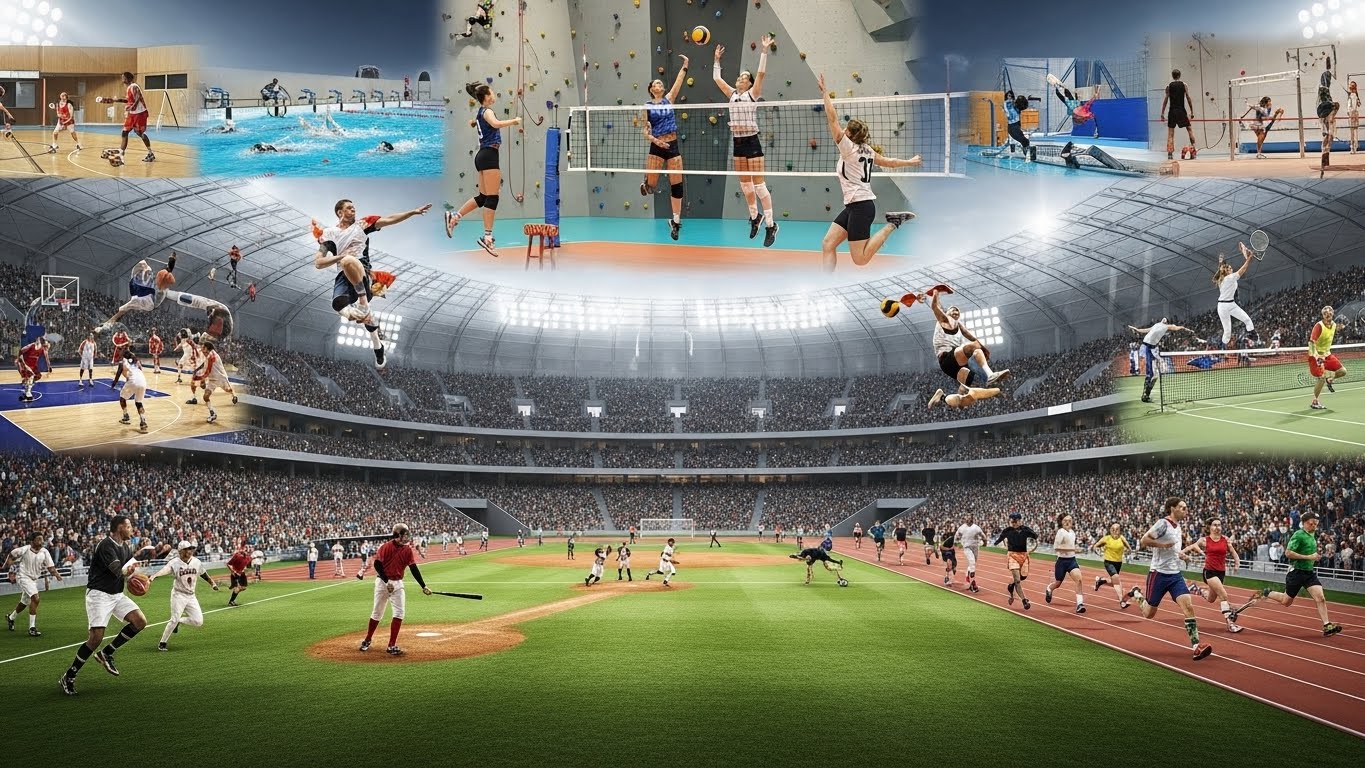
Sports can be categorized in several ways, each offering unique benefits and experiences:
Team Sports
Team sports such as soccer, basketball, and volleyball emphasize cooperation, communication, and strategy. Players learn how to work together toward common goals, handle both victories and defeats, and develop a sense of community. Team sports promote social interaction and build lifelong friendships.
Individual Sports
Individual sports like tennis, gymnastics, and athletics focus on personal skill, concentration, and perseverance. Athletes learn self-discipline, goal-setting, and self-motivation. Success depends largely on personal effort and determination, fostering independence and resilience.
Adventure and Extreme Sports
Adventure sports such as rock climbing, surfing, and skydiving challenge participants physically and mentally. They encourage risk assessment, courage, and pushing boundaries safely. These sports provide unique experiences that test limits and build confidence.
Recreational and Fitness Sports
Recreational sports like swimming, yoga, and running focus on health, wellness, and enjoyment rather than competition. They offer physical benefits, stress relief, and a sense of accomplishment. Accessible to all ages, these sports are essential for maintaining a healthy lifestyle.
The Social Impact of Sports
Sports are a powerful tool for social cohesion. Local leagues, school competitions, and community events bring people together, promoting unity and cultural exchange. National and international sporting events, such as the Olympics or World Cup, foster a sense of identity and pride among citizens.
Sports also provide a platform for social change. Athletes often use their influence to address issues like equality, environmental awareness, and community development. The visibility of sports makes them a vehicle for inspiring positive societal transformation.
Sports and Physical Health
Participation in sports provides numerous physical health benefits. Regular activity strengthens the cardiovascular system, enhances muscular strength, improves flexibility, and boosts overall fitness. Engaging in sports helps prevent obesity, diabetes, heart disease, and other chronic conditions.
Beyond fitness, sports also enhance motor skills, coordination, and agility. The physical demands of sports encourage a healthy lifestyle, instill discipline, and teach the importance of maintaining the body as an instrument of performance.
Sports and Mental Health
Sports also have a profound impact on mental well-being. Physical activity releases endorphins, reducing stress, anxiety, and depression. Participating in sports improves focus, decision-making, and resilience, helping individuals cope with challenges in other areas of life.
The competitive nature of sports teaches perseverance, patience, and emotional regulation. Overcoming obstacles, experiencing setbacks, and celebrating victories cultivate self-confidence and a positive mindset, fostering psychological growth alongside physical development.
The Role of Sports in Education
Sports play a critical role in educational institutions. School and college sports programs complement academic learning by promoting teamwork, leadership, and discipline. Students gain practical life skills, including time management, collaboration, and problem-solving, through sports participation.
Moreover, sports can provide scholarships and career opportunities for talented athletes. Many professionals begin their journey through school-level competitions, highlighting the importance of nurturing athletic talent alongside academics. Physical education programs also encourage lifelong fitness habits and instill an appreciation for healthy competition.
Women in Sports: Breaking Barriers
Historically, sports were male-dominated, but women have increasingly made their mark in athletics. Female athletes now compete at the highest levels in soccer, cricket, athletics, and other sports, challenging stereotypes and inspiring future generations.
The rise of women in sports promotes gender equality, representation, and empowerment. Women’s participation demonstrates skill, dedication, and excellence, while encouraging inclusive programs and equal opportunities for all athletes. Female role models in sports motivate young girls to pursue their passions with confidence.
Technology in Sports
Technology has revolutionized how sports are played, analyzed, and viewed. Wearable devices monitor fitness, performance, and health metrics, helping athletes optimize training. Video replay systems, goal-line technology, and analytics enhance fairness, precision, and strategic decision-making.
Fans also benefit from technological advancements. Digital broadcasting, streaming platforms, and interactive apps provide real-time access to competitions worldwide. Virtual reality and augmented reality create immersive viewing experiences, while AI-driven analytics support coaching, talent identification, and injury prevention.
Economic Impact of Sports
Sports contribute significantly to local and global economies. Professional leagues, international tournaments, merchandise, sponsorships, and media rights generate billions of dollars annually. Stadiums, training centers, and sports academies create employment and stimulate local economies.
Sports tourism also drives economic growth. Major events attract global visitors, supporting hospitality, transport, and retail sectors. Additionally, sports marketing and branding influence consumer behavior, highlighting the commercial significance of athletic industries.
Esports: The New Era of Competition
Esports, or competitive gaming, has emerged as a major component of modern sports. Professional players compete in video games, attracting millions of viewers and lucrative sponsorship deals. Esports combines technology, strategy, and entertainment, appealing to younger generations and expanding the definition of sports.
Esports tournaments, leagues, and streaming platforms create global communities. Fans interact, celebrate achievements, and follow their favorite players, showing how digital platforms are redefining competitive sports for the 21st century.
Sportsmanship and Life Lessons
Sports teach essential values beyond physical activity. Teamwork, discipline, perseverance, and respect are ingrained through regular participation. Athletes learn to handle both victory and defeat with grace, fostering humility, resilience, and personal growth.
Participation in sports also encourages problem-solving, critical thinking, and strategic planning. The challenges faced on the field mirror those in life, making sports a microcosm for personal and professional development.
Challenges in Sports
Despite their benefits, sports face challenges. Doping, corruption, and commercialization threaten integrity and fairness. Accessibility remains an issue in underserved communities, limiting participation and talent development.
Professional athletes often face physical injuries, burnout, and mental health pressures. Addressing these concerns requires proper training, ethical practices, and comprehensive support systems to ensure the sustainability and well-being of athletes.
The Future of Sports
The future of sports promises innovation, inclusivity, and technological integration. Advanced analytics, wearable technology, and virtual reality will transform training, performance, and fan experiences. Emerging sports and esports will attract new audiences, expanding global participation.
Inclusivity will remain central, with efforts to provide opportunities for women, differently-abled athletes, and marginalized communities. Sports will continue to promote physical fitness, mental well-being, and social cohesion, while integrating technology to enhance engagement and performance.
Conclusion: Sports as a Force for Good
Sports are more than games; they are a powerful force that inspires, educates, and unites people. They promote physical and mental health, foster social bonds, and teach essential life skills. From local playgrounds to global arenas, sports create opportunities for personal growth, community development, and cultural connection.
As technology evolves, inclusivity increases, and new forms of competition emerge, sports will continue to shape society and enrich lives. They remain a testament to human ambition, perseverance, and the universal pursuit of excellence. Through sports, individuals and communities find joy, inspiration, and a sense of belonging that transcends borders and generations.