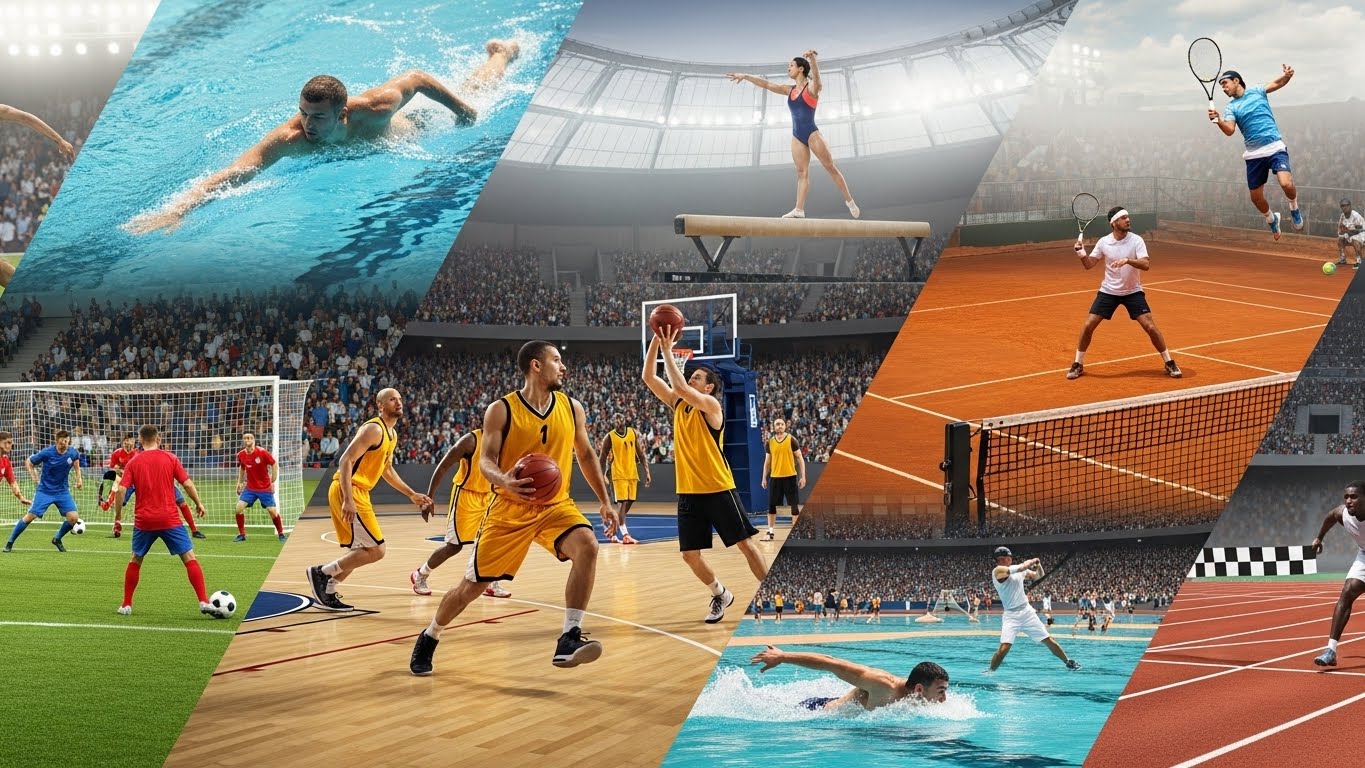






Sports have long been a vital part of human culture, providing a source of entertainment, physical challenge, and a platform for unity. From the gladiators of ancient Rome to the high-tech athletes of today, the essence of sports has always been about competition, teamwork, and pushing the boundaries of human ability. But as we look ahead to the future, it’s clear that sports are evolving in ways that were unimaginable just a few decades ago. This blog will explore the modern trends in sports, including advances in technology, the changing nature of fan engagement, the rise of new sports disciplines, and the influence of social media on the athletic world. These innovations are reshaping both how sports are played and how they are experienced by millions around the globe.
The Influence of Technology on Athletic Performance
The impact of technology on sports has been one of the most significant trends in recent years. Athletes are now able to train smarter, recover faster, and perform at their peak thanks to cutting-edge technological advancements. From wearables to performance analytics, technology is transforming every aspect of athletic performance.
Wearables and Performance Tracking
One of the most notable innovations in sports technology is the rise of wearable devices. Smartwatches, fitness trackers, and performance monitoring gear now allow athletes to track everything from heart rate and calories burned to sleep patterns and hydration levels. These devices provide real-time feedback, which can help athletes adjust their training to prevent injury and improve performance.
In professional sports, teams use advanced wearables to monitor an athlete’s biomechanics and recovery metrics. For example, basketball players wear sensors that track their jump height and landing mechanics, which helps coaches refine their training strategies. In soccer, players wear GPS trackers that give coaches a detailed overview of how far players run during a game and their positional movements, allowing for better game strategies and player rotation.
Data Analytics and Performance Optimization
Along with wearables, data analytics have become integral in optimizing performance. Teams and individual athletes are using vast amounts of data to identify strengths, weaknesses, and trends that might otherwise go unnoticed. In sports like baseball, where statistics have long been a part of the game, advanced data analytics, or “sabermetrics,” have completely changed how the game is approached.
In other sports like basketball and football, coaches and managers use data to analyze shot accuracy, passing efficiency, and defensive positioning. This allows them to make in-game decisions based on hard data rather than intuition or traditional strategies. The use of video analysis has also grown, with athletes and teams reviewing hours of footage to analyze their performance, study opponents, and prepare for upcoming matches.
The Rise of New Sports and Cross-Disciplinary Competitions
The sports world has seen a surge in new, niche sports that have gained massive popularity in recent years. While traditional sports like soccer, basketball, and football remain dominant, there is an increasing appetite for newer, more dynamic forms of competition.
eSports: A New Frontier
Perhaps the most significant trend in recent years is the rise of eSports. Competitive video gaming has transformed from a hobby to a multi-billion-dollar industry. From tournaments with massive cash prizes to global fanbases, eSports has become a legitimate form of entertainment and competition.
The appeal of eSports lies in its accessibility and global reach. Unlike traditional sports, eSports can be played by anyone with a computer or console, and anyone can tune in to watch online streaming platforms. Major tournaments like The International (Dota 2), the League of Legends World Championship, and the Fortnite World Cup now draw millions of viewers and boast sponsorships from global brands.
Moreover, eSports is contributing to the development of new sports disciplines, such as virtual sports leagues and competitive simulation games, further blurring the lines between traditional athleticism and digital competition.
Hybrid Sports and Multi-Disciplinary Events
Another exciting trend is the rise of hybrid sports, which blend elements of traditional sports with modern twists or unique gameplay mechanics. Sports like drone racing, where pilots fly high-speed drones through obstacle courses, and parkour, which combines gymnastics and running, are gaining traction as both a spectator and participant sport.
Additionally, the rise of multi-disciplinary events such as the CrossFit Games and obstacle course racing (OCR) has shown a demand for sports that test a broader range of physical capabilities. These sports focus not just on strength or speed, but on endurance, agility, mental toughness, and creativity, offering athletes a chance to showcase a well-rounded skillset.
The Changing Nature of Fan Engagement
In the digital age, the way fans engage with sports has evolved dramatically. No longer is it enough for fans to simply watch a game on television. Modern fans want to experience sports in new, interactive, and personalized ways.
Social Media and Athlete-Fan Interactions
Social media has transformed the relationship between athletes and fans. Platforms like Twitter, Instagram, and TikTok allow fans to interact with their favorite athletes on a personal level, providing instant access to behind-the-scenes moments, training routines, and personal updates. This direct interaction has helped build a more personal connection between fans and athletes, leading to a deeper sense of loyalty and engagement.
Athletes have also used social media to leverage their platforms for social causes and personal branding. In some cases, athletes are able to influence public opinion and advocate for change, transcending their role as just sports figures. This shift has resulted in a more powerful role for athletes in shaping the conversation around social and political issues.
Virtual and Augmented Reality in Sports
Virtual Reality (VR) and Augmented Reality (AR) are two technologies that are taking fan engagement to new heights. VR allows fans to experience games from the comfort of their homes but with a more immersive, in-stadium-like experience. Fans can wear VR headsets to watch games from different angles, access exclusive content, and even interact with other fans in virtual spaces. This technology is especially beneficial for sports like football, where the view from the stands can sometimes be limited.
On the other hand, AR is being used in stadiums to enhance the live experience. With the help of AR-enabled apps, fans can see player statistics and game analytics in real-time simply by pointing their phones at the field. This adds a layer of interactivity to live events, making the fan experience more engaging and informative.
Health and Wellness in Sports: A Shift Towards Longevity
The emphasis on health and wellness in sports has also changed dramatically in recent years. While performance has always been the primary goal, there’s now an increased focus on longevity, recovery, and the mental health of athletes.
Recovery and Injury Prevention
Advances in recovery technology, such as cryotherapy, infrared therapy, and electrostimulation, have become standard practices for athletes looking to recover faster and prevent injuries. Teams and individual athletes are using a combination of these treatments to accelerate healing, reduce inflammation, and stay in peak physical condition.
In addition, the role of nutrition and mental health in an athlete’s well-being is gaining more attention. Professional athletes are now working with dietitians, psychologists, and performance coaches to not only improve their physical performance but also to ensure they are mentally prepared for the challenges of competition.
Mental Health Awareness
The increasing recognition of mental health issues in sports is another trend that can’t be ignored. In the past, athletes who spoke out about mental health struggles were often stigmatized, but today, more and more athletes are opening up about their battles with stress, anxiety, and depression. This cultural shift is helping to reduce stigma and create a more supportive environment for athletes dealing with mental health challenges.
The mental strain of performing at the highest levels, coupled with the constant scrutiny from the media and fans, makes mental health a critical aspect of an athlete’s overall well-being. Addressing mental health proactively can enhance both performance and quality of life, and many athletes are now prioritizing their mental health as much as their physical training.
Conclusion: A New Era for Sports
Sports are undergoing a dramatic transformation, with new technologies, disciplines, and ways of engagement reshaping how we experience competition. As we continue to embrace innovation, we must also keep in mind the values that have made sports so meaningful—teamwork, perseverance, and the pursuit of excellence.
From performance-enhancing wearables to the rise of eSports, the future of sports is not just about competition; it’s about creating a more connected, inclusive, and engaging experience for athletes and fans alike. The trends we see today will continue to shape the athletic landscape, ensuring that sports remain a dynamic and essential part of human culture for generations to come.