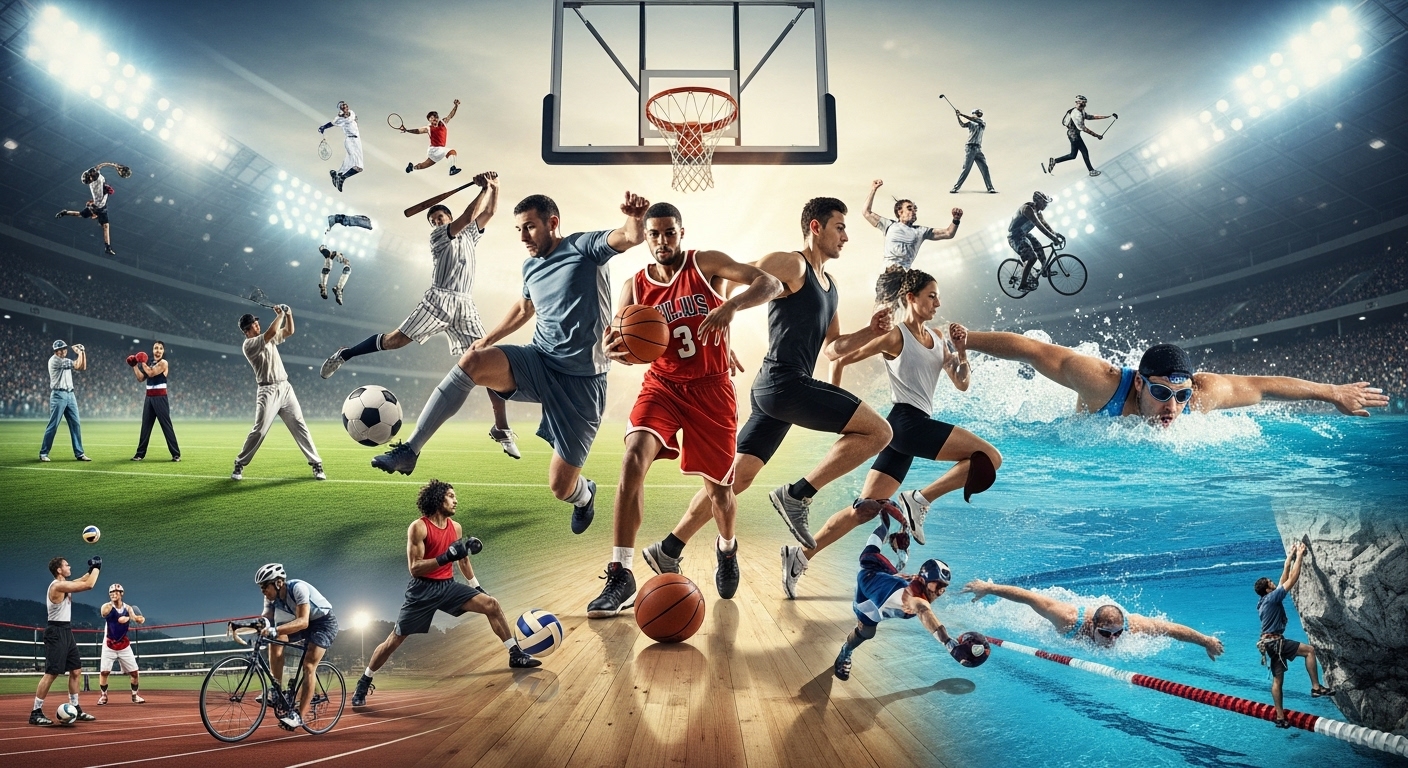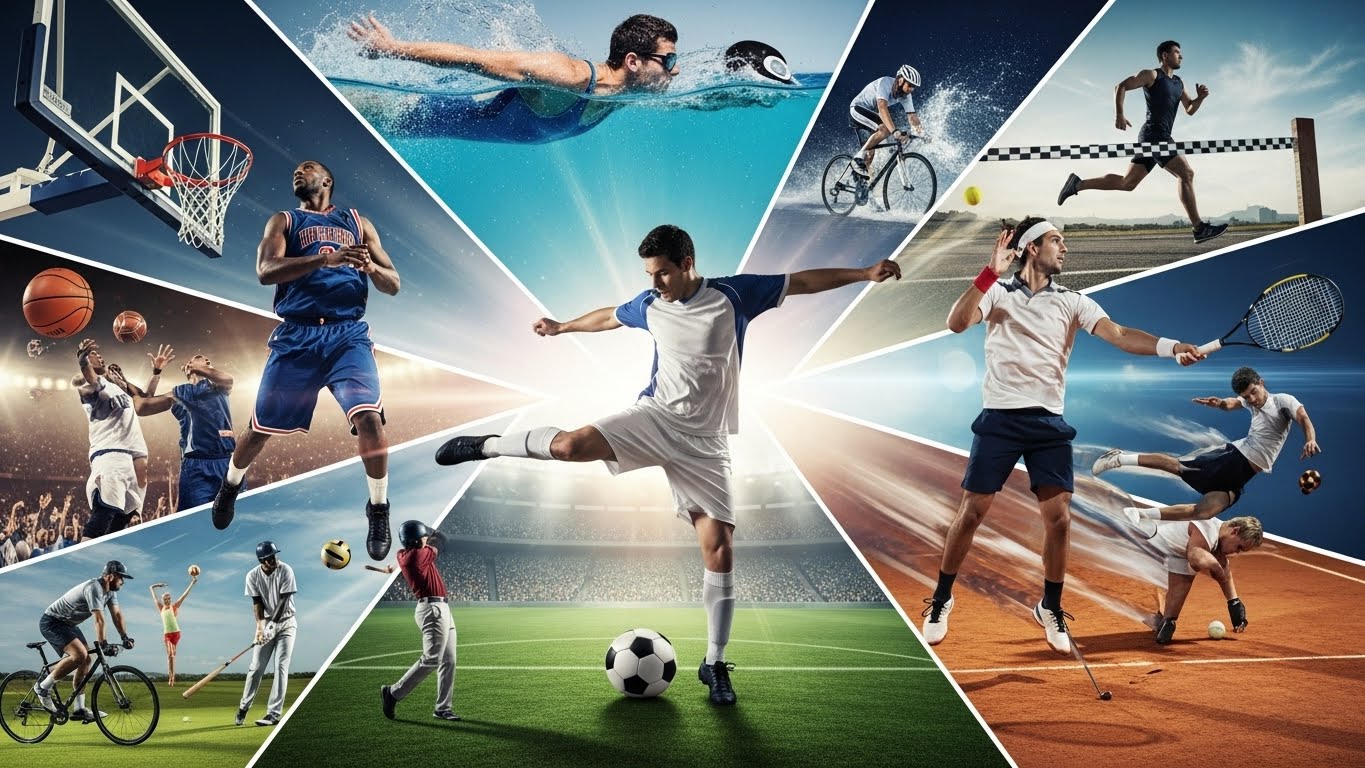






Sports are far more than just games; they are a reflection of our culture, a medium for personal growth, and a powerful tool for bringing people together. Whether it’s the joy of a local football match or the grandeur of the Olympic Games, sports have an enduring influence on society. Through this blog post, we’ll explore the multifaceted role that sports play in shaping both individuals and communities, highlighting the profound impact they have in the modern world.
The Universal Language of Sports
At its core, sports have the power to transcend language barriers and unite people from different backgrounds. Whether it’s a soccer match in Rio de Janeiro or a basketball game in Beijing, the universal nature of sports makes it a shared experience for billions of people across the globe. No matter where we come from or what language we speak, the rules of the game are the same, and the emotions are universally felt.
For example, the excitement of a last-minute goal or the heart-pounding anticipation before a final whistle is something that every fan understands, no matter their nationality or culture. It is this shared emotional connection that unites us, creating a sense of camaraderie and belonging that stretches beyond geographical boundaries.
The Role of Sports in Personal Development
Beyond the collective experience of fans, sports offer profound benefits for personal growth. Whether you’re an aspiring professional athlete or someone playing for fun, engaging in sports teaches vital life skills. Discipline, teamwork, resilience, and leadership are some of the most important qualities that athletes develop over time.
From a young age, sports foster discipline, teaching individuals to manage their time, set goals, and work toward them consistently. The importance of teamwork in sports can also translate into real-world success. Whether it’s collaborating with colleagues in the workplace or working on group projects, the ability to communicate and cooperate with others is a vital skill learned through playing sports.
Furthermore, sports teach resilience and perseverance. The ability to face setbacks, recover from failure, and continue pushing forward is a lesson that resonates long after the game is over. Athletes often share their stories of struggle and comeback, inspiring fans and fellow players to never give up in the face of adversity.
Sports as a Catalyst for Social Change
Sports have long been a platform for social change, where individuals and groups challenge societal norms, fight for equality, and raise awareness of important causes. Athletes have used their platform to speak out on issues ranging from racial inequality to gender discrimination. One of the most iconic examples of this is the story of Jackie Robinson, who broke the color barrier in Major League Baseball and paved the way for greater racial integration in American sports.
Similarly, the 1968 Olympic Games in Mexico City saw Tommie Smith and John Carlos raise their fists in protest of racial injustice during the medal ceremony, making a powerful statement that echoed beyond the sports world. These moments demonstrate how sports can serve as a powerful vehicle for addressing societal issues, shining a spotlight on injustices and motivating others to take action.
In recent years, movements such as “Black Lives Matter” have been embraced by athletes worldwide, with players using their visibility to highlight ongoing struggles related to race, equality, and human rights. Sports provide a unique space where public figures can make a significant impact, not only by showcasing their athletic abilities but also by challenging and changing the status quo.
The Economic Power of Sports
While sports can often seem like pure entertainment, the economic implications are vast. Professional sports are a multi-billion-dollar industry, generating revenue through ticket sales, broadcasting rights, sponsorships, and merchandise. Major sporting events such as the FIFA World Cup, the Super Bowl, and the Olympic Games draw enormous global attention, boosting local economies, creating jobs, and providing business opportunities.
For cities, hosting large events like the World Cup or the Olympics often leads to improved infrastructure, enhanced tourism, and a sense of pride. The influx of visitors, sponsorships, and media attention significantly contributes to the economy, turning the sporting event into a powerful economic engine. Similarly, for athletes, sports are often more than just a career—they represent a chance to inspire, build legacies, and grow personal brands that extend beyond the game.
The Impact of Technology on Sports
As we move further into the digital age, technology continues to revolutionize how sports are played, consumed, and enjoyed. Advances in technology—from video-assisted refereeing (VAR) to high-definition broadcasts—have made sports more engaging for fans. Additionally, the integration of virtual reality (VR) and augmented reality (AR) has changed the way we experience sports, allowing fans to feel closer to the action than ever before.
For players, technological innovations such as performance tracking devices, smart equipment, and data analytics have transformed training regimes. These advancements provide athletes with detailed insights into their performance, enabling them to fine-tune their skills and stay at the top of their game.
Moreover, social media platforms like Twitter, Instagram, and TikTok allow athletes to engage with fans directly, breaking down the barriers between players and supporters. Fans can follow their favorite teams and athletes in real-time, fostering a deeper connection and a sense of community.
The Future of Sports: Trends to Watch
As we look to the future of sports, it’s clear that the landscape will continue to evolve, shaped by technological, cultural, and societal shifts. Some of the key trends to watch include:
- Esports: Competitive gaming is on the rise, with professional leagues, tournaments, and sponsorship deals becoming increasingly mainstream. The popularity of esports among younger generations suggests that the future of competitive play could look very different from the traditional sports we know today.
- Inclusion and Diversity: There is growing momentum around increasing diversity in sports. Whether it’s female athletes gaining more recognition or greater representation of marginalized communities, inclusivity will continue to be a defining feature of the sports world.
- Sustainability: As concerns about climate change grow, the sports industry is also paying attention. From eco-friendly stadiums to sustainable clothing lines and green initiatives, sports organizations are beginning to prioritize sustainability in their operations.
- Health and Wellness: The global emphasis on physical health, mental wellness, and holistic well-being will increasingly shape the sports industry. As athletes become more vocal about mental health, fans and players alike will continue to push for environments that foster both physical and psychological resilience.
Conclusion: The Enduring Legacy of Sports
Sports are not just games; they are woven into the fabric of society. They shape us as individuals, bind us together as communities, and provide a powerful platform for change. Whether through personal achievement, societal transformation, or economic impact, the role of sports in our lives is undeniable.
As we move forward, it is clear that sports will continue to evolve, but their fundamental power to connect, inspire, and challenge us will remain as strong as ever. The legacy of sports is not just in the moments of victory, but in how they teach us to work together, overcome obstacles, and celebrate the human spirit.