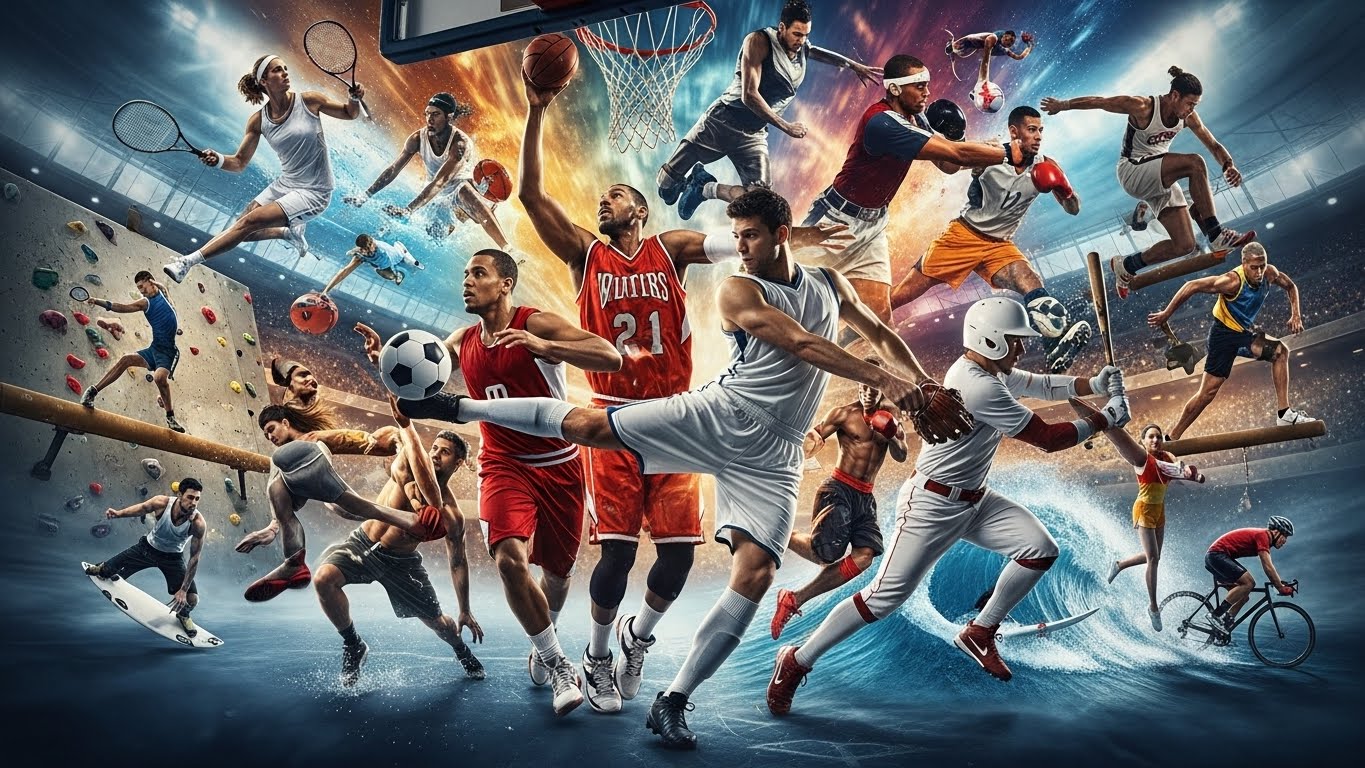





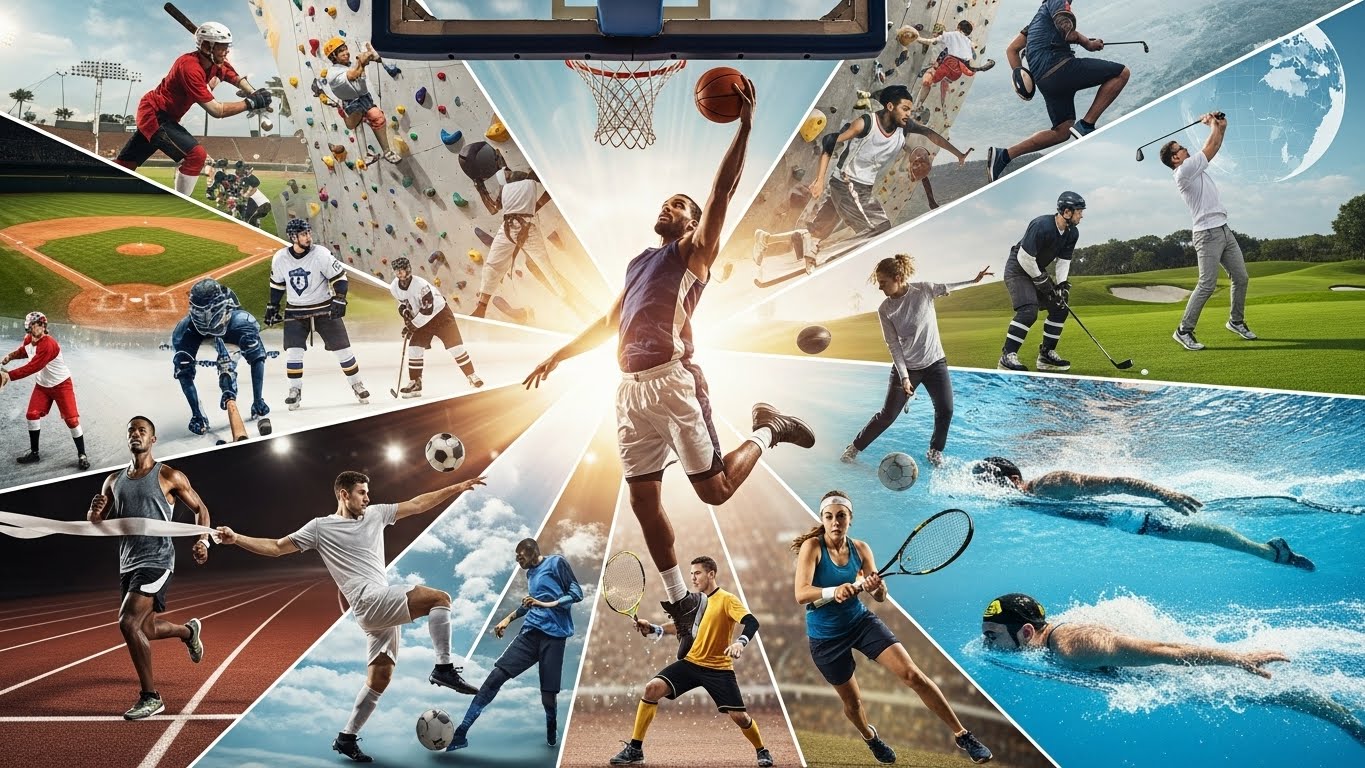
Sports have always been an integral part of human civilization. From ancient Olympic games in Greece to modern-day football, basketball, and cricket, sports transcend cultures, languages, and borders. They are more than just games; they are a reflection of human ambition, discipline, and resilience. Engaging in sports, whether as a participant or a spectator, provides physical, mental, and social benefits that shape individuals and societies. In this blog, we will explore the multifaceted importance of sports, the lessons they teach, and their impact on personal growth and community development.
The Physical Benefits of Sports
The most apparent impact of sports is on physical health. Regular participation in sports improves cardiovascular fitness, builds strength, enhances flexibility, and promotes better coordination. Athletes often showcase the human body’s potential, demonstrating endurance, speed, and precision. Beyond elite sports, even recreational activities like running, swimming, or playing football with friends contribute significantly to overall health. Engaging in sports reduces the risk of chronic diseases such as obesity, diabetes, and hypertension. Moreover, it strengthens the immune system and improves sleep patterns, contributing to long-term well-being.
Physical activity through sports also promotes the development of motor skills in children. Early participation encourages better balance, coordination, and reflexes, which are critical during formative years. Sports instill habits of regular exercise that often continue into adulthood, fostering a lifestyle centered on health and fitness.
Mental and Emotional Benefits
While the physical benefits of sports are evident, their mental and emotional impact is equally significant. Sports teach discipline, patience, and focus. Training for a game or event requires consistent effort, strategic planning, and perseverance. These qualities often translate into other aspects of life, including academics, career, and personal relationships.
Participation in sports also helps manage stress and anxiety. Physical activity triggers the release of endorphins, the body’s natural mood enhancers, which help combat depression and tension. Team sports, in particular, foster a sense of belonging and camaraderie. Being part of a team teaches cooperation, empathy, and communication skills. Experiencing victory and defeat alike builds resilience and mental toughness, preparing individuals to face life’s challenges with a balanced perspective.
Sports as a Tool for Social Integration
Sports play a crucial role in social development and integration. They bring people together regardless of age, gender, culture, or socioeconomic status. International events like the World Cup or the Olympics create global communities united by a shared passion. On a local level, neighborhood tournaments, school competitions, and community clubs foster relationships and strengthen social bonds.
Furthermore, sports can act as a bridge between diverse communities. They encourage teamwork, mutual respect, and understanding, helping to break down barriers of prejudice and discrimination. In schools, sports programs often provide opportunities for students to interact and collaborate with peers from different backgrounds, nurturing inclusivity and empathy from a young age.
Life Lessons Through Sports
One of the most valuable aspects of sports is the life lessons they impart. Discipline, time management, perseverance, and strategic thinking are cultivated through regular practice and competition. Athletes learn to set goals, work hard to achieve them, and deal with setbacks gracefully. Losses teach humility and the importance of continuous improvement, while victories instill confidence and self-belief.
Sports also teach leadership and responsibility. Team captains and leaders must motivate teammates, strategize for success, and handle challenges calmly. These leadership skills are transferable to professional and personal environments. Even individual sports, like tennis or athletics, instill a sense of self-reliance, accountability, and dedication.
The Economic and Cultural Impact of Sports
Beyond personal growth, sports have a profound impact on economies and cultures worldwide. Professional sports generate employment, attract investments, and boost tourism. Sporting events create opportunities for broadcasters, sponsors, trainers, and athletes, contributing to economic growth. Countries hosting international competitions benefit from increased visibility, infrastructure development, and cultural exchange.
Culturally, sports often serve as a source of national pride. Achievements in sports inspire citizens, especially the younger generation, and promote unity. Traditional games and regional sports preserve cultural heritage and history, ensuring that ancient practices continue to thrive alongside modern sports innovations.
Technological Advancements in Sports
In recent decades, technology has transformed the way sports are played, viewed, and analyzed. Advanced equipment, performance tracking systems, and wearable devices have elevated athletic performance. Video analysis helps athletes identify strengths and weaknesses, enhancing training efficiency. Virtual and augmented reality technologies are being incorporated into training programs, making learning more interactive and precise.
Technology has also revolutionized the fan experience. High-definition broadcasting, instant replays, and live statistics bring audiences closer to the action. Sports apps and platforms provide real-time updates, allowing fans to engage with games in unprecedented ways. The integration of technology not only improves athletic performance but also strengthens the bond between sports and spectators.
Women in Sports
The rise of women in sports is one of the most remarkable developments in recent years. Female athletes are breaking barriers, challenging stereotypes, and inspiring new generations. Sports like football, cricket, tennis, and athletics now feature world-class female competitors who achieve recognition equal to their male counterparts. Inclusion and visibility in sports empower women, promoting gender equality and challenging societal norms.
Moreover, women’s participation in sports has a ripple effect on health, education, and social status. Encouraging girls to engage in physical activities leads to stronger, healthier communities and nurtures leadership and confidence among women. As female representation in sports continues to grow, it paves the way for a more equitable and diverse sporting culture.
Grassroots Development and Youth Sports
The foundation of a strong sporting culture lies in grassroots development. Youth sports programs, school competitions, and local clubs play a crucial role in identifying and nurturing talent. Early exposure to sports instills passion, discipline, and teamwork, creating future champions. Governments and organizations around the world recognize the importance of investing in youth sports to ensure long-term success and societal benefits.
Grassroots programs also address social issues by providing young people with structured environments that discourage negative behaviors. Participation in sports can reduce involvement in crime, substance abuse, and other harmful activities. It equips youth with essential life skills, preparing them to become responsible citizens and active community members.
Sports as a Source of Entertainment and Inspiration
Sports are a universal source of entertainment. Watching a thrilling match, celebrating a last-minute goal, or witnessing a record-breaking performance generates excitement and emotional connection. Fans find joy, passion, and inspiration in the dedication and achievements of athletes. Iconic sports moments often become cultural landmarks, remembered and celebrated across generations.
Sports also inspire storytelling and creativity. Documentaries, biographies, and films about athletes and sporting events highlight the human spirit, perseverance, and resilience. These narratives resonate with audiences, motivating them to pursue their own dreams and overcome challenges in their lives.
The Role of Sports in Health Awareness
Sports also play a significant role in promoting health awareness. Athletes often become ambassadors for fitness, nutrition, and mental health, influencing millions of people worldwide. Sports campaigns encourage healthy lifestyles, proper diet, and regular physical activity, creating a positive impact on public health. Large sporting events often feature initiatives to educate audiences about critical health issues, combining entertainment with social responsibility.
Conclusion: Embracing the Spirit of Sports
In essence, sports are far more than recreational activities or competitive events. They are a powerful force that shapes individuals, communities, and nations. Through physical fitness, mental resilience, social integration, and cultural impact, sports influence every facet of life. They teach life lessons, inspire achievements, and create opportunities for growth, unity, and progress.
Embracing sports, whether through active participation or enthusiastic support, enriches lives in profound ways. From fostering personal health to building stronger communities and nurturing global connections, sports are a timeless testament to human potential. They remind us that beyond competition lies a shared passion for excellence, perseverance, and the joy of playing the game. Sports are, indeed, a reflection of the best qualities of humanity, uniting us in pursuit of greatness, camaraderie, and a better tomorrow.