





Introduction: The Universal Language of Sports
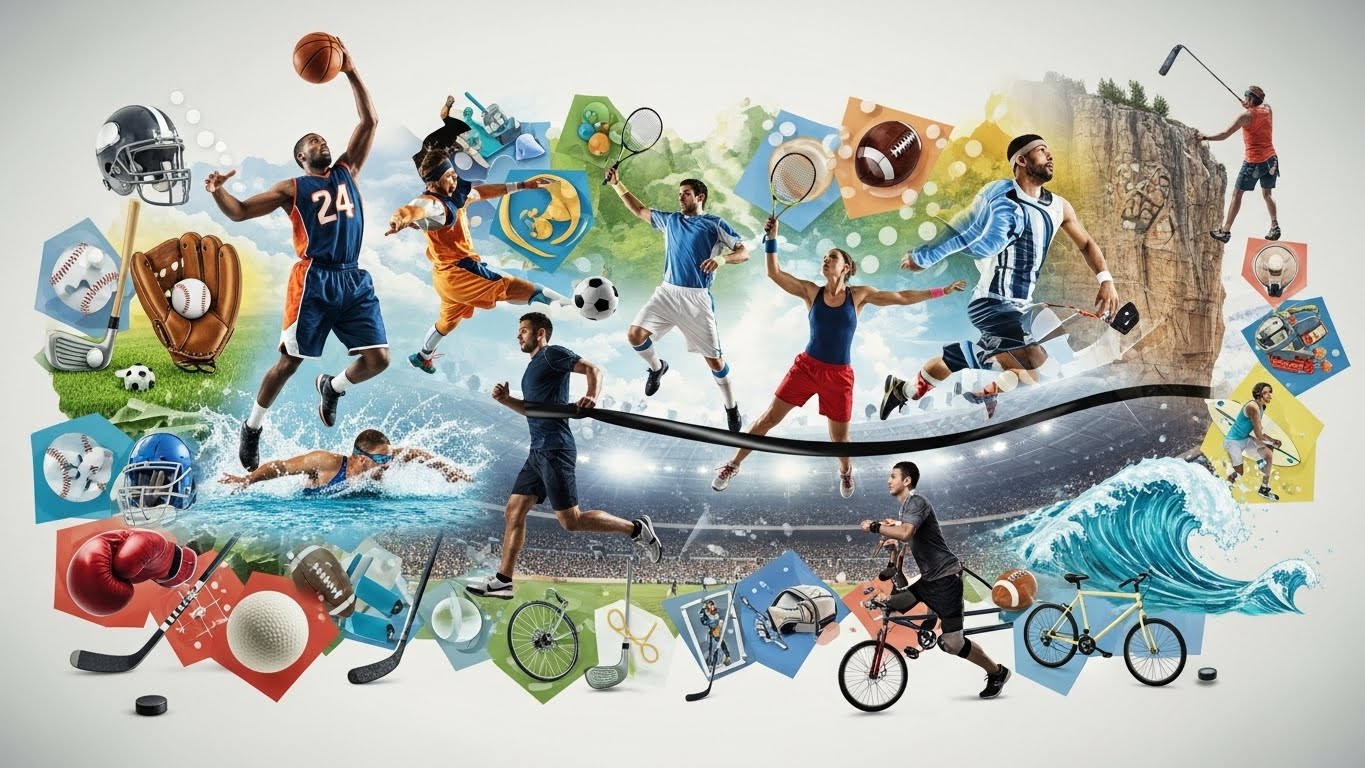
Sports have always been more than just games played on fields or courts. They represent passion, discipline, and the spirit of human competition. Across cultures and continents, sports serve as a universal language, connecting people regardless of age, background, or nationality. From local playgrounds to international stadiums, the excitement and energy that sports generate are unparalleled. They teach us important lessons about teamwork, resilience, and self-improvement while providing moments of joy, unity, and inspiration. In this blog, we will explore the multifaceted role of sports in society, their impact on individuals, and how they continue to evolve in the modern world.
The Physical Benefits of Sports
One of the most obvious advantages of participating in sports is the physical benefit. Regular engagement in physical activities strengthens the body, improves cardiovascular health, and enhances flexibility and stamina. Sports like swimming, soccer, and tennis require a combination of endurance, speed, and coordination, which contribute to overall physical well-being. Beyond individual health, sports encourage healthy lifestyle habits. Young people who participate in sports tend to have better nutrition, reduced rates of obesity, and higher energy levels. Adults also benefit by maintaining mobility, reducing stress, and minimizing the risk of chronic illnesses. Ultimately, sports are a gateway to a healthier, more active lifestyle.
Mental and Emotional Advantages
While physical benefits are clear, the mental and emotional advantages of sports are equally significant. Engaging in sports helps reduce stress, anxiety, and depression by releasing endorphins, which are natural mood boosters. Participating in competitive sports also teaches focus, strategic thinking, and problem-solving skills. Athletes must constantly analyze their performance, adapt to changing circumstances, and make quick decisions, which sharpens mental agility. Moreover, sports cultivate emotional resilience. Facing setbacks and losses teaches individuals how to cope with disappointment, build confidence, and persevere under pressure. The lessons learned on the playing field often translate into better handling of challenges in daily life.
Teamwork and Leadership Development
One of the most profound lessons sports teach is the importance of teamwork. Most sports require collaboration, communication, and mutual trust among teammates. Players learn to rely on one another, share responsibilities, and celebrate collective achievements. This experience builds strong interpersonal skills and fosters leadership qualities. Team captains, for instance, develop the ability to inspire others, manage conflicts, and make crucial decisions under pressure. Even individual sports, like athletics or swimming, provide opportunities to develop leadership by motivating oneself and setting personal benchmarks. In this way, sports serve as a training ground for essential life skills that extend far beyond the game itself.
Sports as a Cultural Phenomenon
Sports are not merely physical activities; they are an integral part of cultural identity. Major sporting events like the Olympics, World Cup, and international tennis tournaments transcend national boundaries and bring people together in celebration of human achievement. Fans passionately support their teams, creating a sense of community and belonging. Local sports traditions, whether it’s cricket in South Asia, baseball in the United States, or rugby in New Zealand, reflect the unique values and history of a region. Sporting rituals, chants, and ceremonies have become cultural symbols, reinforcing national pride and identity. Sports, therefore, act as both a reflection of society and a unifying force that bridges cultural divides.
The Economic Impact of Sports
Beyond the social and cultural influence, sports also have a significant economic impact. Professional leagues, tournaments, and events generate billions of dollars through ticket sales, merchandise, broadcasting rights, and sponsorships. Cities hosting major events often experience increased tourism, infrastructure development, and employment opportunities. Moreover, sports contribute to the growth of various industries, including apparel, equipment manufacturing, fitness centers, and sports media. The global sports economy is a complex network that affects millions of people, from professional athletes and coaches to vendors and local businesses. By combining entertainment, commerce, and community engagement, sports play a vital role in driving economic activity worldwide.
The Evolution of Sports Technology
In recent years, technology has transformed the way sports are played, analyzed, and consumed. Innovations like video assistant referees, performance-tracking devices, and advanced analytics have revolutionized training and competition. Athletes can now monitor their performance with precision, identify weaknesses, and optimize their training routines. Technology also enhances the spectator experience through live streaming, virtual reality, and interactive fan engagement platforms. While these advancements have introduced new challenges, such as ethical concerns and increased commercialization, they demonstrate the adaptability of sports and their ability to embrace modern innovations while preserving tradition.
The Role of Sports in Education
Sports are a vital component of education, promoting holistic development in students. Schools and universities recognize the importance of athletics in building discipline, time management, and social skills. Participation in sports often complements academic achievement, as students learn to balance physical activity with intellectual growth. Scholarships and competitive programs further encourage young athletes to pursue higher education while honing their talents. Beyond academics, sports provide an environment for personal growth, teaching values such as fairness, integrity, and respect for rules. Educational institutions that prioritize sports not only nurture athletic talent but also cultivate well-rounded individuals prepared for future challenges.
Inspiring Stories of Triumph and Perseverance
One of the most compelling aspects of sports is the wealth of inspiring stories it produces. Athletes who overcome adversity, break records, or achieve greatness against all odds capture our imagination and motivate others to strive for excellence. Stories of underdog victories, comebacks from injuries, or remarkable achievements in difficult circumstances resonate deeply with audiences. They remind us that dedication, resilience, and hard work can lead to extraordinary outcomes. These narratives extend beyond the realm of sports, offering life lessons about determination, courage, and the pursuit of dreams.
Sports as a Tool for Social Change
Sports have the power to drive social change and address societal issues. Programs that promote inclusivity, gender equality, and youth development demonstrate how sports can foster positive transformation. Initiatives such as community leagues, adaptive sports for people with disabilities, and campaigns against discrimination show that sports can unite diverse groups and promote social justice. Athletes themselves often use their platforms to raise awareness about important causes, from environmental sustainability to human rights. By leveraging the popularity and influence of sports, communities can inspire meaningful action and create a more equitable and inclusive society.
The Future of Sports
Looking ahead, the future of sports promises innovation, inclusivity, and global connectivity. Emerging disciplines, technological integration, and evolving fan engagement strategies will redefine the sports landscape. Esports, virtual competitions, and wearable technology are expanding what we traditionally consider “sports,” while initiatives to promote participation among all demographics are broadening access. As the world becomes more interconnected, sports will continue to serve as a universal bridge, connecting people across cultures, generations, and geographies. Their role in shaping physical health, mental well-being, cultural identity, and social cohesion ensures that sports will remain a cornerstone of human society for years to come.
Conclusion: More Than Just a Game
Sports are far more than mere entertainment; they are a powerful force that influences our bodies, minds, communities, and cultures. From promoting health and personal development to fostering unity and social change, sports touch nearly every aspect of human life. They teach valuable lessons about discipline, teamwork, resilience, and leadership, while inspiring individuals to push beyond limits and pursue excellence. As society evolves, sports will continue to adapt, innovate, and inspire, remaining an enduring testament to the human spirit. In the end, sports are not just games—they are a reflection of who we are, what we value, and what we can achieve together.